What is holistic medicine and how it improves mental health

Holistic medicine often gets dismissed as vague wellness trends or unproven alternatives. Yet it represents a comprehensive, evidence-based framework that treats the interconnected dimensions of body, mind, spirit, and emotions together. For those exploring alternative mental health treatments, holistic approaches offer powerful pathways to healing, especially when integrated with emerging therapies like psychedelic-assisted treatment. Understanding what holistic medicine truly encompasses can transform how you approach wellness and recovery.
Table of Contents
- Key takeaways
- Understanding holistic medicine: principles and approaches
- Holistic medicine for mental health: integrating mind, body, and spirit
- Psychedelic therapy as a holistic mental health tool
- Comparing holistic and conventional medicine: synergy and caution
- Explore integrative mental health programs and holistic care
- FAQ
Key Takeaways
PointDetailsWhole person approachHolistic medicine targets body, mind, spirit, and emotions to address root causes rather than just symptoms.Diverse modalitiesPractices include naturopathy, Ayurveda, Traditional Chinese Medicine, mind body therapies, and nutrition.Integrative with psychedelicsIntegrating psychedelic assisted treatment with mindfulness and conventional care can enhance outcomes.Consult qualified providersBefore starting holistic therapy, verify credentials and ask how care coordinates with conventional medical teams.
Understanding holistic medicine: principles and approaches
, using natural and traditional methods rather than simply addressing isolated symptoms. This framework recognizes that physical ailments often stem from emotional distress, spiritual disconnection, or lifestyle imbalances. The approach fundamentally differs from conventional medicine’s tendency to compartmentalize health issues into separate systems.
Core principles guide every holistic intervention. The body possesses innate healing power that practitioners aim to activate rather than override. Prevention takes priority over reactive treatment, with emphasis on identifying and addressing root causes before they manifest as disease. This philosophy extends to mental health, where practitioners examine trauma patterns, nutritional deficiencies, social isolation, and spiritual emptiness as potential contributors to psychological distress.
Common holistic practices span diverse traditions and methodologies:
- Naturopathy combines herbal medicine, acupuncture, hydrotherapy, and nutritional counseling to support natural healing processes
- Ayurveda balances prana (life force energy) through diet, yoga, meditation, and herbal formulations tailored to individual constitutions
- Traditional Chinese Medicine restores chi flow using acupuncture, herbal remedies, tai chi, and dietary therapy
- Chiropractic care addresses spinal alignment to improve nervous system function and overall wellness
- Mind-body interventions like yoga, meditation, breathwork, and guided imagery directly target the stress response and emotional regulation
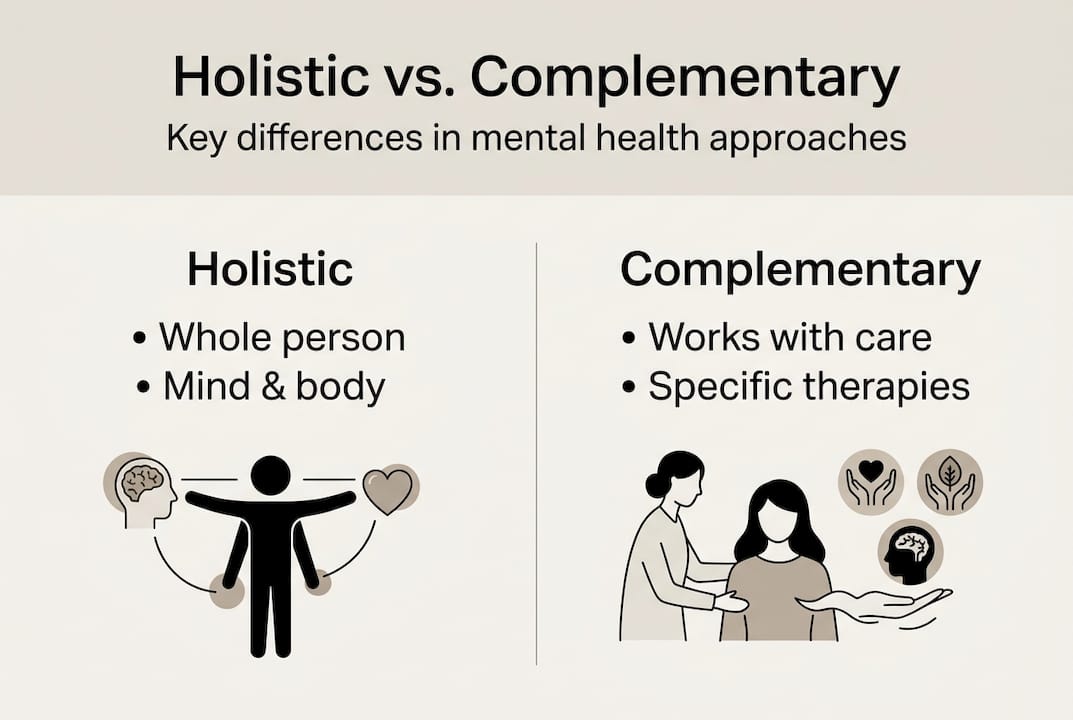
Understanding the distinction between complementary and alternative medicine matters for informed choices. Complementary approaches work alongside conventional treatment, enhancing outcomes through synergy. Alternative methods replace conventional care entirely, which carries significant risks for serious conditions. Most reputable holistic practitioners advocate integration rather than substitution, recognizing that emergency medicine, surgery, and pharmaceutical interventions remain essential for acute conditions.
The holistic health clinic in Santa Monica model exemplifies this integrative philosophy by combining evidence-based psychedelic therapy with mindfulness practices, nutritional support, and conventional psychiatric care. This comprehensive approach addresses multiple healing pathways simultaneously, creating conditions for deeper transformation than single-modality treatment.
Pro Tip: Before starting any holistic therapy, verify your practitioner holds relevant certifications from recognized bodies and research the specific treatment’s evidence base. Ask about their training, experience with your condition, and how they coordinate with conventional providers.
Holistic medicine for mental health: integrating mind, body, and spirit
leading to improvements in anxiety, depression, and stress. Mental health conditions rarely exist in isolation from physical health, relationship quality, or sense of purpose. Treating depression solely with medication while ignoring sleep deprivation, inflammatory diet, social isolation, or existential emptiness yields limited results.

Lifestyle medicine forms the foundation of holistic mental health care. Nutrition directly impacts neurotransmitter production, with deficiencies in omega-3 fatty acids, B vitamins, magnesium, and vitamin D linked to depression and anxiety. Regular physical activity rivals antidepressants in efficacy for mild to moderate depression while improving sleep quality and stress resilience. Stress management through time in nature, creative expression, and meaningful social connection provides protective factors against mental health decline.
Mind-body practices demonstrate measurable neurological and psychological benefits. Pranayama (yogic breathwork) activates the parasympathetic nervous system, reducing cortisol and anxiety within minutes. Meditation increases gray matter density in brain regions associated with emotional regulation, self-awareness, and perspective-taking. These practices don’t just manage symptoms but actually reshape neural pathways over time.
Nutraceutical interventions complement conventional psychiatric treatment when used appropriately:
- EPA/DHA (omega-3 fatty acids) at 1-2 grams daily reduce inflammatory markers and support neurotransmitter function
- Curcumin demonstrates antidepressant effects comparable to fluoxetine in some studies, with anti-inflammatory mechanisms
- S-adenosylmethionine (SAMe) supports methylation processes crucial for neurotransmitter synthesis
- Probiotics influence the gut-brain axis, with specific strains reducing anxiety and improving mood
InterventionPrimary BenefitsEvidence LevelTypical TimelineMeditation practiceReduced anxiety, improved emotional regulationStrong8-12 weeksOmega-3 supplementationDecreased depression scores, reduced inflammationModerate to Strong4-8 weeksRegular exerciseImproved mood, better sleep, stress resilienceStrong2-6 weeksYogaReduced PTSD symptoms, lower anxietyModerate6-12 weeksAcupuncturePain reduction, anxiety reliefModerate4-8 sessions
The integrative mental health model recognizes that sustainable healing requires addressing multiple dimensions simultaneously. A person struggling with treatment-resistant depression might benefit from optimizing nutrition, establishing consistent sleep patterns, processing trauma through therapy, reconnecting with community, and exploring meaning through spiritual practice alongside medication management.
Pro Tip: Track your mental health symptoms, lifestyle factors, and interventions in a journal to identify patterns and measure progress. This data helps you and your providers make informed adjustments to your holistic treatment plan.
Psychedelic therapy as a holistic mental health tool
Psychedelics catalyze neuroplasticity and emotional breakthroughs, integrated with preparation and aftercare for whole-person healing. These substances don’t simply suppress symptoms but facilitate profound shifts in perspective, emotional processing, and neural connectivity. Clinical trials demonstrate remarkable efficacy for treatment-resistant depression, PTSD, anxiety related to terminal illness, and addiction when administered in supportive therapeutic contexts.
Psychedelic therapy stimulates brain plasticity through multiple mechanisms. Compounds like psilocybin and MDMA temporarily reduce activity in the default mode network, the brain region responsible for rigid thought patterns and ego boundaries. This neural flexibility allows patients to examine traumatic memories, limiting beliefs, and habitual behaviors from new angles without overwhelming defensive reactions. The experience often generates insights that months of traditional talk therapy couldn’t access.
Integration models emphasize holistic frameworks for sustained healing beyond the acute psychedelic experience. The THRIVE model incorporates:
- Time in nature to ground insights in embodied experience and natural rhythms
- Healthy relationships that provide support, accountability, and authentic connection
- Regular physical activity to metabolize emotional material and maintain neuroplasticity
- Introspection through journaling, meditation, or creative expression to process insights
- Values clarification to align daily choices with deeper purpose
- Engagement in meaningful activities that express newfound perspectives
Clinical applications continue expanding as research validates psychedelic therapy’s efficacy. Ketamine-assisted psychotherapy shows rapid antidepressant effects, often within hours, for severely depressed patients including those with suicidal ideation. MDMA-assisted therapy for PTSD achieves remission rates exceeding 70% in some trials, far surpassing conventional treatments. Psilocybin therapy reduces existential distress and depression in cancer patients, improving quality of life during palliative care.
“Psychedelic medicine represents a paradigm shift in psychiatry, moving from symptom suppression to catalyzing genuine transformation through expanded consciousness, emotional release, and neurological rewiring within a holistic therapeutic container that honors the interconnection of mind, body, and spirit.”
Critical phases structure effective psychedelic therapy. Preparation involves building therapeutic rapport, clarifying intentions, addressing fears, and optimizing set and setting. The dosing session requires skilled facilitation, safety monitoring, and space for whatever arises without judgment. Integration translates insights into sustainable life changes through ongoing therapy, community support, and lifestyle adjustments.
The psychedelic medicine and palliative care programs at specialized clinics combine these elements with complementary holistic practices. Patients might engage in breathwork, sound healing, nutritional optimization, and nature immersion alongside psychedelic sessions. This comprehensive approach addresses healing on multiple levels simultaneously, creating conditions for transformation that isolated interventions cannot achieve.
The mindfulness course in support of psychedelic-assisted therapy teaches skills essential for integration. Meditation practice develops the capacity to observe thoughts and emotions without identification, a skill that enhances both psychedelic experiences and daily life. Mindfulness helps patients metabolize difficult material that surfaces during therapy while maintaining equilibrium.
Comparing holistic and conventional medicine: synergy and caution
Holistic medicine complements conventional care via prevention and root cause focus but is not a replacement for emergencies or acute conditions. Each system offers distinct strengths that become most powerful when thoughtfully combined. Understanding these differences helps patients make informed choices about when to use each approach.
AspectHolistic MedicineConventional MedicinePrimary approachWhole-person wellness, prevention, root causesSymptom management, disease treatment, acute careEvidence baseMixed; some practices well-researched, others traditionalRigorous clinical trials, standardized protocolsTypical applicationsChronic conditions, prevention, mental health, lifestyle optimizationEmergency care, surgery, infections, acute illnessTreatment durationOften longer-term, gradual improvementTypically faster symptom reliefPatient roleActive participant in healing processMore passive recipient of treatmentRisksDelayed treatment of serious conditions, unregulated practitionersSide effects, over-treatment, fragmented care
Holistic medicine excels in several domains. Prevention receives primary focus, with interventions designed to maintain health rather than simply react to disease. Root cause analysis addresses why illness developed rather than just managing symptoms. The whole-person perspective recognizes that physical symptoms often reflect emotional, social, or spiritual imbalances requiring comprehensive solutions.
Conventional medicine provides irreplaceable capabilities. Evidence-based acute care saves lives in emergencies through surgery, antibiotics, and intensive interventions. Advanced diagnostics identify conditions that holistic assessment might miss. Standardized protocols ensure consistent quality across providers. Pharmaceutical interventions offer rapid symptom relief when suffering becomes unbearable.
Risks emerge when either system operates in isolation. Replacing conventional cancer treatment with unproven holistic therapies can prove fatal. Conversely, treating depression solely with medication while ignoring trauma, isolation, and lifestyle factors yields limited lasting improvement. The most dangerous scenario occurs when patients abandon effective conventional treatment for alternative approaches lacking evidence.
Patient responsibility increases in holistic frameworks. Rather than passively receiving prescriptions, patients actively participate through lifestyle changes, self-reflection, and sustained practice. This empowerment benefits those ready to engage but may overwhelm individuals needing immediate symptom relief or lacking capacity for self-care during acute crisis.
Cultural considerations influence holistic medicine’s effectiveness. Traditional practices like Ayurveda and Traditional Chinese Medicine carry deep wisdom but require cultural context for proper application. demonstrate how whole-body perspectives apply across healthcare domains, recognizing that oral health connects to systemic inflammation, nutrition, and overall wellness.
The cancer and palliative care programs exemplify optimal integration. Patients receive conventional oncology treatment while simultaneously accessing holistic support for pain management, emotional processing, nutritional optimization, and spiritual care. This combination addresses both disease progression and quality of life, recognizing that healing encompasses more than tumor reduction.
Optimal outcomes emerge from thoughtful integration:
- Use conventional medicine for diagnosis, emergencies, and acute conditions requiring immediate intervention
- Incorporate holistic approaches for prevention, chronic disease management, and addressing root causes
- Coordinate care between conventional and holistic providers to ensure safety and synergy
- Prioritize evidence-based holistic practices with established safety profiles
- Maintain conventional treatment for serious conditions while adding complementary holistic support
Explore integrative mental health programs and holistic care
Your mental health journey deserves a comprehensive approach that honors your whole being. Mystic Health specializes in integrative mental health programs that blend cutting-edge psychedelic therapy with time-tested holistic practices. Our patient-centered model recognizes that sustainable healing requires addressing biological, psychological, social, and spiritual dimensions simultaneously.
Whether you’re exploring ketamine-assisted psychotherapy, seeking support through our mindfulness course supporting therapy, or need compassionate care through our psychedelic medicine and palliative care programs, we provide evidence-based treatment in a supportive environment. Our team coordinates conventional psychiatric care with nutritional counseling, somatic practices, and integration support to create conditions for genuine transformation. Discover how whole-person healing can help you move beyond symptom management toward lasting wellness and renewed purpose.
FAQ
Is holistic medicine safe for mental health treatment?
Holistic medicine is generally safe when used to complement rather than replace conventional mental health care. Consult qualified providers with relevant certifications and discuss all treatments with your primary mental health professional. Some herbal supplements interact with psychiatric medications, so coordination between providers prevents adverse reactions.
Can psychedelic therapy replace traditional mental health treatment?
Psychedelic therapy functions as a powerful adjunct requiring clinical oversight, preparation, and integration support, not a standalone replacement for all mental health treatment. Most protocols combine psychedelic sessions with ongoing psychotherapy, lifestyle optimization, and sometimes medication management. The substances catalyze breakthroughs that must be translated into sustainable change through continued therapeutic work.
How do I choose a holistic medicine provider?
Look for practitioners certified by recognized professional bodies in their specific modality, such as naturopathic doctors licensed by state boards or acupuncturists certified by national organizations. Research the evidence base for proposed treatments and ask about their experience treating your specific condition. Verify they coordinate with conventional providers and maintain appropriate liability insurance. requires due diligence about credentials and treatment approaches.
What conditions respond best to holistic mental health approaches?
Chronic stress, mild to moderate anxiety and depression, trauma-related conditions, and lifestyle-related mental health issues often respond well to holistic interventions combined with conventional care. Conditions requiring immediate intervention like acute suicidal ideation or psychotic episodes need conventional psychiatric treatment first, with holistic support added during stabilization. Prevention and maintenance of mental wellness represent ideal applications for holistic approaches.
How long does holistic mental health treatment take to show results?
Timelines vary by intervention and individual factors. Mind-body practices like meditation typically show measurable benefits within 8 to 12 weeks of consistent practice. Nutritional interventions may require 4 to 8 weeks as deficiencies correct and inflammation reduces. Psychedelic therapy can produce rapid shifts in perspective within days, though integration continues for months. Sustainable transformation through holistic approaches generally requires longer commitment than pharmaceutical interventions but often yields more comprehensive, lasting change.
Recommended
- Program
- Holistic Health Clinic in Santa Monica - Reimagining Mental Health
- Mystic Health - Psychedelic Medicine & Palliative Care Programs
- Integrative Mental Health

Mystic Health Blog








FAQs
1. Am I eligible for ketamine therapy?
2. Does insurance cover the cost of ketamine therapy?
3. How many ketamine treatments will I need?
We recommend two initial treatments to determine suitability and adjust dosage. After these sessions, additional treatments are available based on your progress and specific requirements.