

Top 6 drvokshoor.com Alternatives 2026
Coordinating access to insured psychiatric care, specialized therapy, and personalized community supports for disabilities often exposes families to disconnected providers and eligibility confusion. Many clinics require patients to pay out of pocket, skip team-based care, or limit programs by state with few options for coordinated navigation or credible online feedback. This guide compares price transparency, insurance compatibility, residential options, and service integration so you can match the right mental health or disability support provider to your clinical and financial needs.
Table of Contents
- Mystic Health
- DVH NP IN PSYCHIATRY SERVICES
- Alternatives Counseling
- Community Alternatives Unlimited (CAU)
- Cottonwood Community Alternatives
- Caregiver DSA (Developmental Service Alternatives)
- Comparative Analysis
Mystic Health

At a Glance
The vendor advertises FDA-approved Spravato® alongside ketamine-assisted psychotherapy offered in both in-clinic and at-home formats, with acceptance of many insurers including Aetna and Medicare. That combination positions clinical psychedelic options inside an insurance-compatible care pathway.
Core Features
-
FDA-approved Spravato® and ketamine therapy: Medical dosing protocols delivered under clinician supervision for registered indications and off-label care as described by the clinic.
-
Medically supervised in-clinic or at-home treatment options: Clinical oversight for both settings, with screening and follow-up integrated into the program.
-
Multiple psychotherapies and integrative modalities: Individual and group psychotherapy plus acupuncture, nutrition counseling, mindfulness, and supportive psychiatry.
-
Insurance acceptance: The site lists Aetna, Medicare, and other major insurers as accepted carriers for many services, improving access for insured patients.
Key Differentiator
The practical edge is that Mystic Health pairs an FDA-cleared option, Spravato®, with structured ketamine therapy programs while advertising insurer compatibility. For readers comparing clinics, that mix makes the financial pathway as relevant as the clinical protocol.
Pros
-
Comprehensive, personalized programming. The clinic combines medication, psychotherapy, and integrative practices into coordinated plans tailored to diagnostic and psychosocial needs.
-
Improved access through insurance acceptance. For patients with eligible plans, that acceptance reduces up-front burden compared with purely cash-only clinics.
-
Clinical and supportive scope spans mental health, pain, oncology, and palliative care. That breadth allows patients with complex or coexisting medical needs to stay inside one care team.
-
Multidisciplinary staff including psychiatry, integrative medicine, and psychotherapy clinicians. Team-based delivery reduces the need to stitch multiple referrals together.
-
Holistic adjuncts such as acupuncture and mindfulness support symptom management and complement the medical interventions when clinically appropriate.
Cons
- Out-of-pocket costs exist for some services and reimbursement varies by insurer, so patients should plan for potential upfront payment and confirm benefits with their carrier.
Who It’s For
Adults seeking medically supervised psychedelic-assisted options who also value integrative supports and palliative services. Readers comparing clinics will find Mystic Health relevant if insurance coverage and continuity of care matter to their decision.
Patients excluded by medical screening or those without viable reimbursement routes will want to compare cash-based providers side-by-side.
Unique Value Proposition
Having both an FDA-cleared nasal option and organized ketamine programs that the vendor advertises as insurer-compatible is the concrete advantage. For someone balancing cancer care, chronic pain, or treatment-resistant depression, that structure reduces the administrative friction of moving between specialists and payers.
Real World Use Case
A patient with treatment-resistant depression enters a ketamine-assisted psychotherapy package. Medical screening and psychiatry manage dosing, psychotherapy provides processing and integration, and acupuncture and nutrition support recovery. The care plan stays coordinated under one clinical team from intake to follow-up.
Website: https://mystic.health
DVH NP IN PSYCHIATRY SERVICES
At a Glance
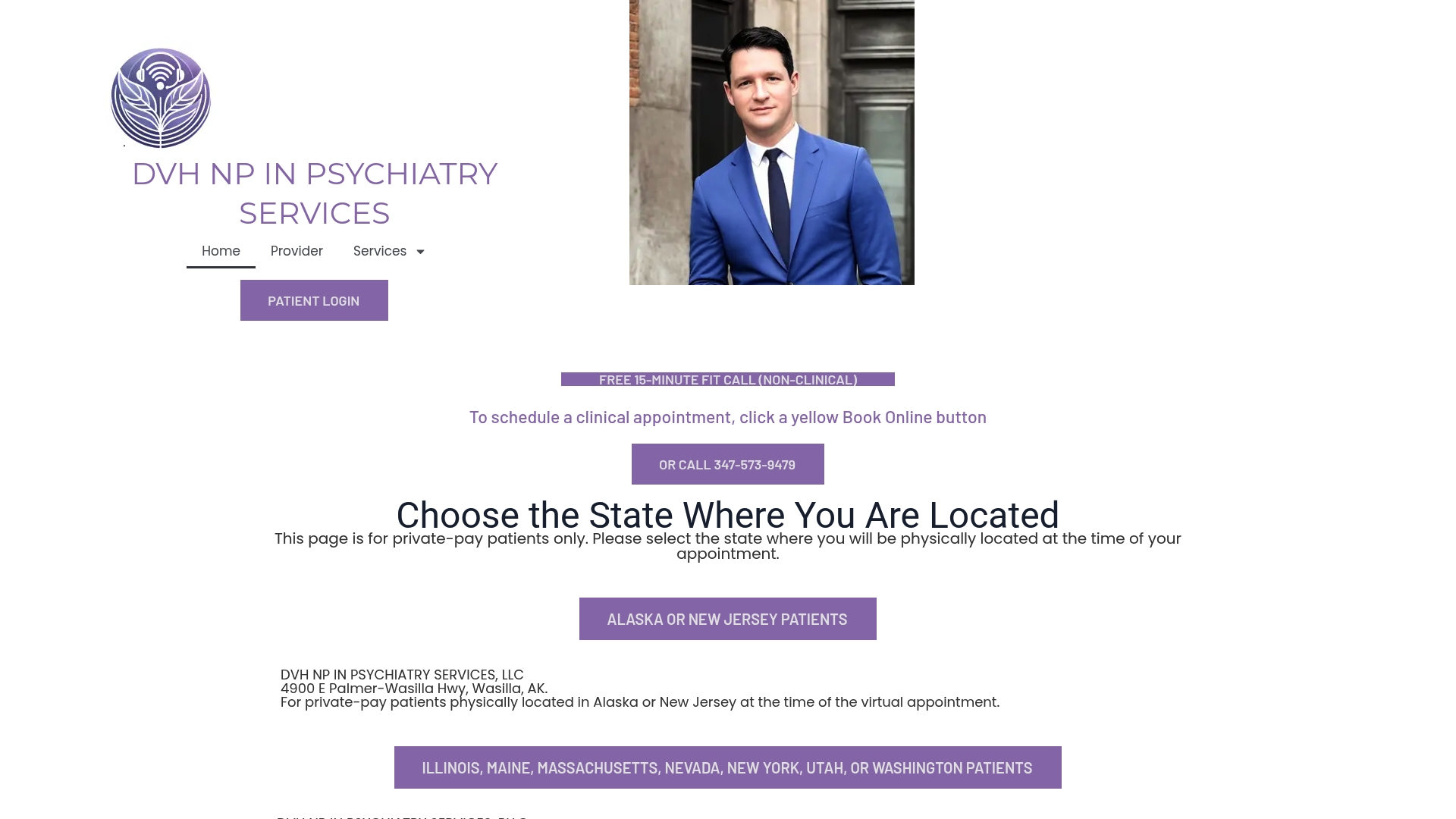
Virtual-only appointments run between 6:00 AM and 2:00 PM Pacific Time and the practice offers free 15-minute non-clinical fit calls for prospective patients. Care focuses on medication management and psychotherapy for adults with mood, anxiety, trauma, OCD, and personality disorders.
Core Features
- Telehealth psychiatric medication management delivered via secure video for follow ups and medication adjustments.
- Psychotherapy via secure video for evidence-based talk therapies adapted to remote care.
- Online scheduling and flexible hours to accommodate early or late appointments in Pacific Time.
- Virtual appointments only with no in-person option listed.
Key Differentiator
The platform targets private-pay adult patients across a defined set of states and emphasizes condition-specific visits rather than generalized mental health screening. That focus lets clinicians allocate visit time to diagnosis and medication decisions instead of intake paperwork.
Pros
- Specialized coverage for mood, anxiety, trauma, OCD, and personality disorders makes it easy to match a clinician to a diagnosis quickly.
- Virtual access removes commute barriers for remote or busy patients and supports continuity when travel or mobility is an issue.
- Availability of a free 15-minute fit call lets you confirm clinical fit before booking a billed session.
- Clear, condition-specific information on the site helps patients prepare focused questions for medication or therapy planning.
- Multiple state options expand access for residents of specific states who need telepsychiatry care.
Cons
- Services appear limited to private-pay patients with no mention of insurance billing, which raises out-of-pocket cost risk for many people.
- No in-person appointments are offered, so patients who prefer face-to-face therapy will not find that option here.
- The site lists service types but includes limited detail about specific therapeutic modalities or evidence cited for treatment approaches.
When It May Not Fit
If you need insurance-covered care this will likely not work because pricing and insurance options are not provided and the offering is described as private-pay only. If you prefer in-person sessions this platform will not meet that need because it operates exclusively via secure video.
Who It’s For
Adults living in Alaska, New Jersey, Illinois, Maine, Massachusetts, Nevada, New York, Utah, or Washington who want remote psychiatric medication management and psychotherapy and who can pay privately. Good for patients who value early or late appointment windows and a focused, diagnosis-specific visit.
Real World Use Case
A patient in New York with bipolar symptoms schedules a video appointment to review mood stability and adjust lithium dosing. The clinician uses the secure video visit to review symptom tracking, discuss side effects, and set a follow up medication management appointment without an in-person clinic visit.
Pricing
Not applicable — informational only. The site does not list rates and presents services as private-pay. Prospective patients are expected to contact the practice directly to learn current fees and payment methods.
Website: https://dvhnpinpsychiatryservices.com
Alternatives Counseling
At a Glance
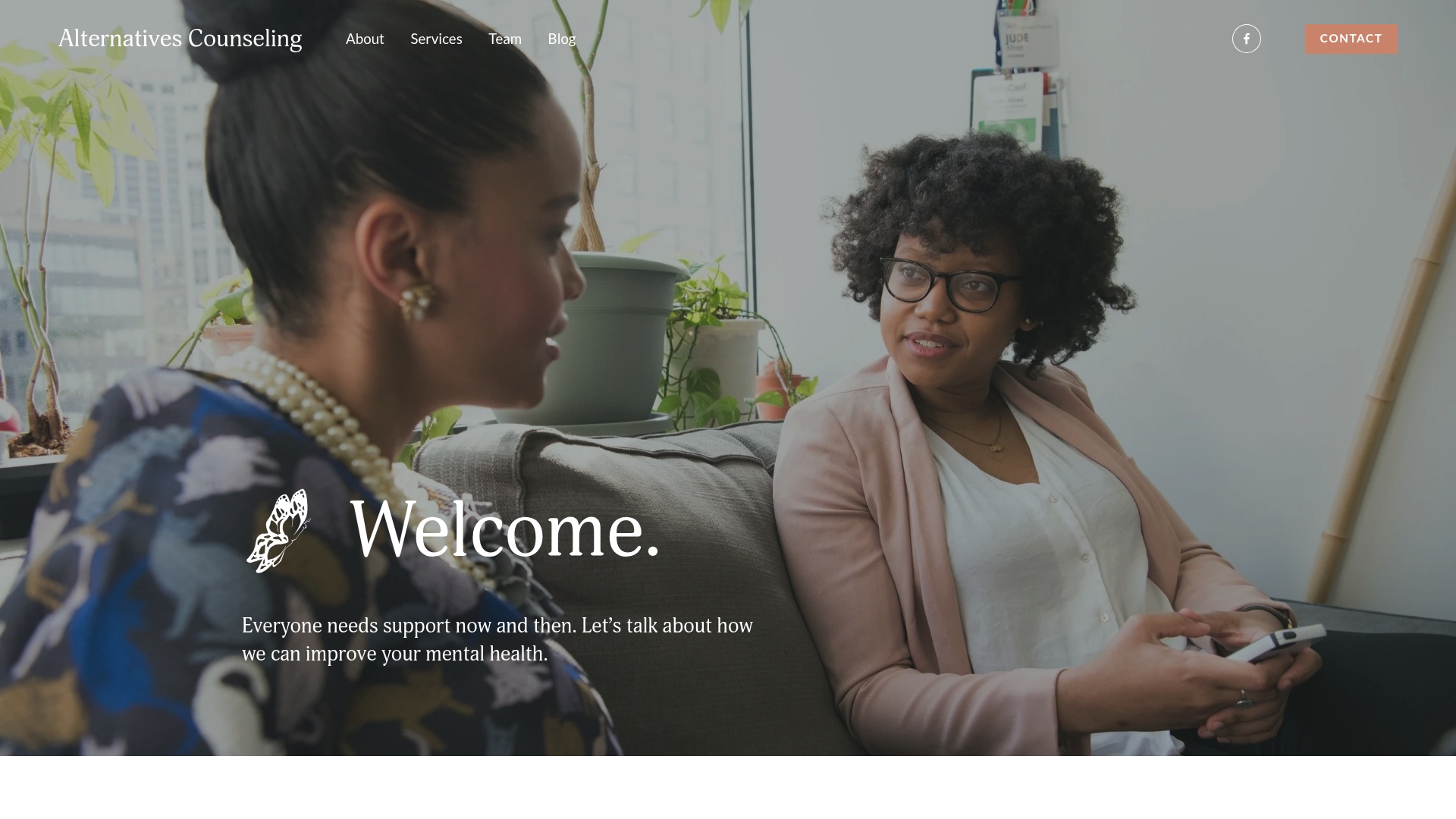
Serving Southern Illinois since 1991, Alternatives Counseling maintains in-person clinics in Glen Carbon and Alton while offering teletherapy for remote clients. The practice combines individual and group therapy with specialized evaluations and professional training for local clinicians.
Core Features
A steady mix of clinical services, community-facing programs, and training offerings keeps their calendar full.
- Individual counseling for children, teens, and adults aimed at trauma, anxiety, depression, and relationship issues.
- Group therapy sessions focused on trauma and recovery themes.
- Specialized evaluations for abuse, trauma, and domestic violence used for legal and clinical needs.
- Professional training programs and workshops for counselors and community groups.
- Teletherapy and two Illinois office locations for in-person appointments.
Key Differentiator
Alternatives Counseling emphasizes deep local roots and a broad service set that includes evaluations and training in addition to therapy. The organization advertises its use of evidence-based practices, and that clinical focus plus decades of local presence shapes referrals from courts and community agencies.
Pros
- Long-established presence. Being active in Southern Illinois since 1991 gives local referring partners a consistent option for ongoing care.
- Wide service mix. Therapy, group work, legal evaluations, and professional training mean one organization can handle clinical care and workforce development simultaneously.
- Clinical staff. Licensed clinicians and therapists work across age ranges, reducing the need to bounce clients between multiple providers.
- Access options. Teletherapy expands reach for clients who live far from Glen Carbon or Alton or who need remote appointments.
- Inclusive care. The practice states explicit support for the LGBTQ+ community without bias.
Cons
- Not a crisis provider. The service model focuses on scheduled therapy and evaluations rather than walk-in emergency or urgent psychiatric care.
- Limited specialty programs listed. There is no explicit mention of dedicated programs for substance use treatment or anger management in the published services.
- No integrated medical or prescribing services stated. Clients needing medication management will need a separate psychiatric or primary care partner.
When It May Not Fit
If you need immediate crisis stabilization or same-day psychiatric medication, this provider is not set up as an emergency or inpatient service. Also, if you require an in-house addiction program or formal anger management curriculum, you will likely need a different clinic that advertises those specialties.
Who It’s For
Individuals, families, and community organizations in Southern Illinois seeking scheduled mental health therapy, forensic or clinical evaluations, or continuing education for staff. Good for clients who prefer a local clinic with teletherapy backup.
Real World Use Case
A family dealing with intergenerational trauma books individual sessions for each member and joins a weekly group to build coping skills. Separately, a local court refers a custody evaluation, and a community agency sends staff for a trauma-informed care workshop.
Pricing
Not applicable for public listing. The site functions as an informational resource and asks clients to contact the office for fee schedules, sliding scale options, and insurance or payment details.
Website: https://achelps.org
Community Alternatives Unlimited (CAU)
At a Glance
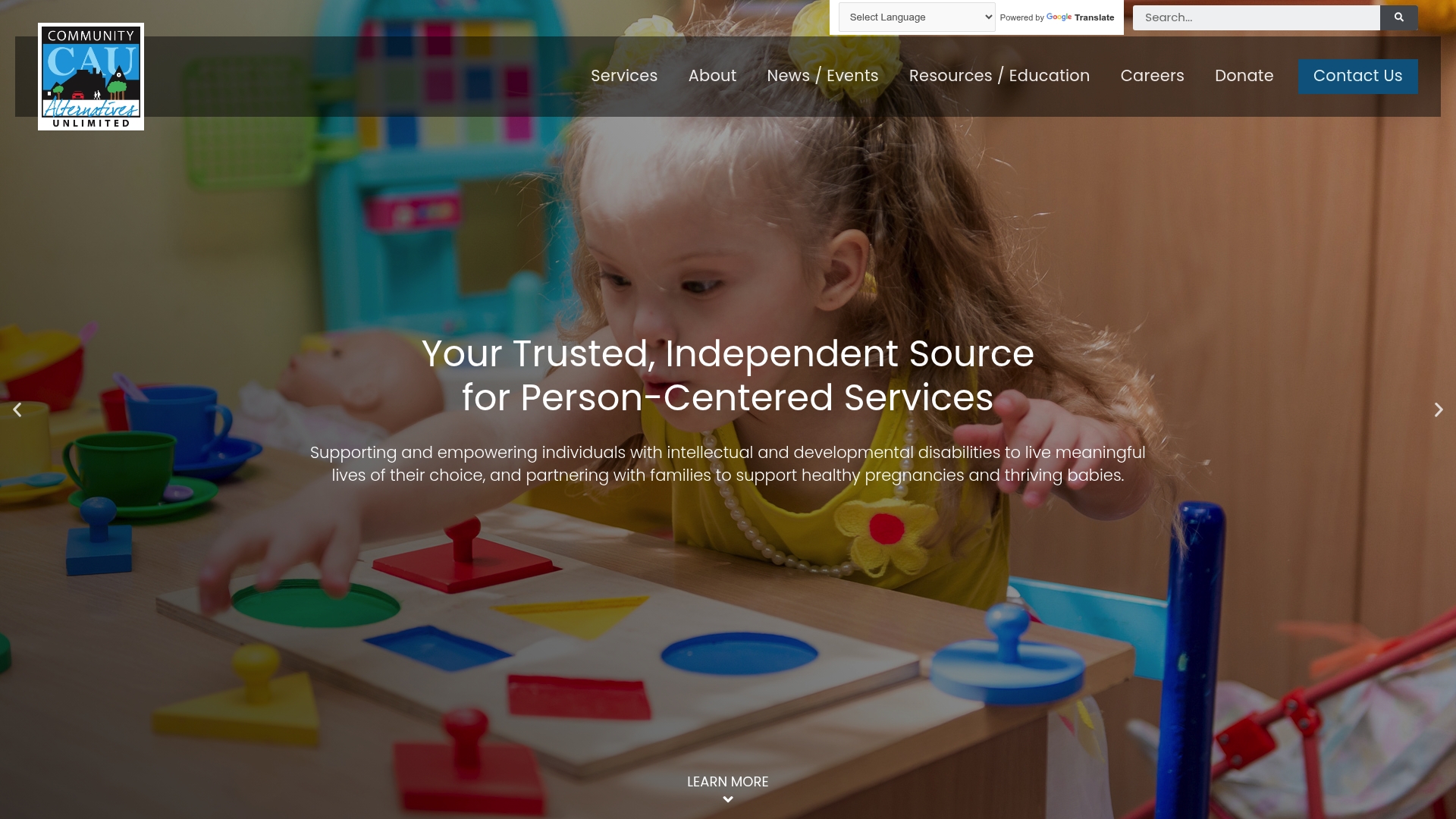
Conflict-free service coordinator since 1980, CAU focuses on coordinated case management for people with intellectual and developmental disabilities while also offering maternal and child health resources across Chicago and surrounding Illinois regions. A long history is paired with deep local agency partnerships.
Core Features
- Case management and service coordination for individuals with intellectual and developmental disabilities covering referrals, advocacy, and individualized support plans.
- Pre-Admission Screening (PAS) for eligibility determination and PUNS Waiting List registration to help prioritize access to state disability services.
- Individual Service and Support Advocacy (ISSA) for participants in waiver services and maternal health support including prenatal and postnatal guidance in neighborhood clinics.
Key Differentiator
CAU’s most distinct claim is its longevity and independence. Operating as a conflict-free coordinator since 1980, the organization emphasizes neutral advocacy and partnership with state agencies rather than service provision, which positions it as a referral and navigation hub rather than a direct-care provider.
Pros
-
Trusted, conflict-free coordination gives families a neutral advocate when they call case managers about eligibility and service options.
-
Experienced team of licensed professionals and advocates speeds paperwork and clarifies waiver pathways for families who are overwhelmed by system complexity.
-
Comprehensive support spans health, housing, and social service navigation so a single coordinator can link multiple needs rather than forcing families to call many agencies.
-
Partnerships with state agencies and community organizations mean CAU can often open doors that individual families struggle to access on their own.
Cons
-
No third-party user reviews are available in the provided data, so public satisfaction and comparative performance are hard to verify.
-
Limited visible customer feedback on outside platforms makes it difficult to gauge responsiveness times and everyday case manager capacity.
-
Because CAU acts as a coordinator rather than a direct service provider, you will still need to engage providers for therapy, housing, or medical care.
When It May Not Fit
Families outside Illinois or those seeking hands-on clinical services will find CAU’s model a poor match. CAU focuses on navigation and advocacy; it does not replace direct-service providers such as residential programs, clinics, or therapy practices.
If you want comparative user ratings before choosing a coordinator, that information is not available from the data supplied.
Who It’s For
People of all ages with intellectual and developmental disabilities, pregnant women, and families in Chicago and nearby Illinois regions who need personalized help navigating human services, filing PUNS registration, or accessing waiver advocacy.
Real World Use Case
A family enrolls a relative with intellectual disabilities into CAU’s case management program. CAU helps complete PAS, register for PUNS, coordinate waiver paperwork, and refer the family to housing and local prenatal resources to stabilize care pathways.
Website: https://cau.org
Cottonwood Community Alternatives
At a Glance
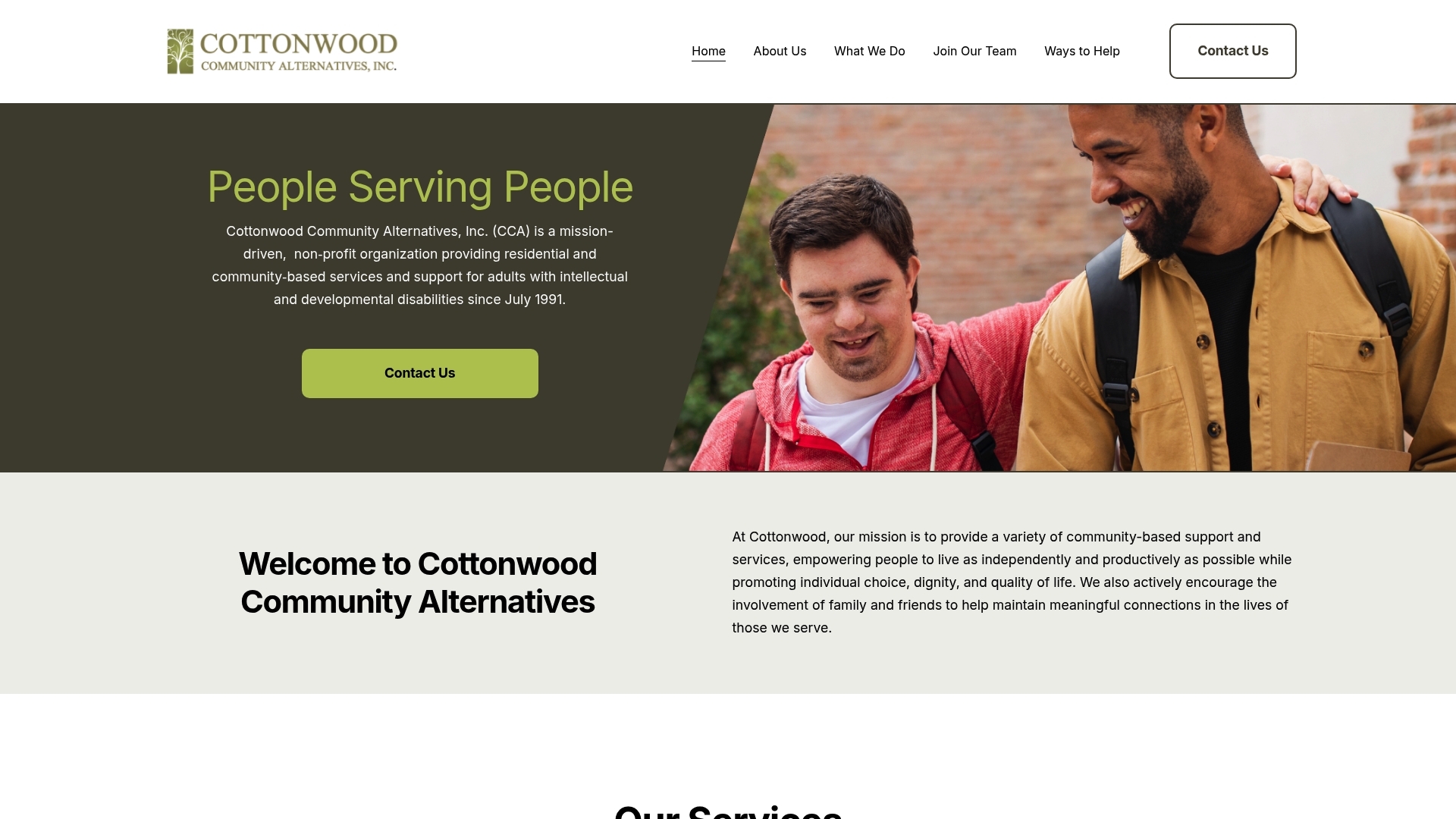
Founded in 1991, Cottonwood Community Alternatives centers services for adults with intellectual and developmental disabilities in Englewood, Colorado. The nonprofit mixes residential options with daytime activities so people can practice skills in real community settings while families stay involved.
Core Features
- Residential services: Support in an individual home, staffed homes, family care, independent apartments, and host homes.
- Day program services: Recreational activities, community outings, education, and volunteer placements that build daily living and social skills.
- Supported Living Services (SLS): Nonlicensed assistance through the Community First Choice program to help people live with more independence.
Key Differentiator
Cottonwood’s practical emphasis on community integration and individual choice sets it apart. Programs are designed so participants spend time in shared community spaces rather than only on campus, and staff planning explicitly includes family input when setting goals and routines.
Pros
- Focus on personal dignity. Staff and program descriptions stress participant decision making and respect for daily preferences rather than one-size-fits-all schedules.
- Multiple residential modes. The range from host homes to independent apartments helps families match support intensity to changing needs.
- Day services with community outings. Programs prioritize real-world opportunities like volunteer placements and local trips that build transferable skills.
- Family involvement is built into planning. The organization highlights family and friend participation in support and decision making, which reduces surprise transitions.
- Nonprofit mission. As a nonprofit, the group presents itself as mission driven with a community focus rather than profit motives.
Cons
- Limited online detail. Public web pages are sparse and some links return not found which makes researching options before a visit harder.
- Few publicly available reviews. There is little consumer feedback posted online so you will rely on direct calls and tours to assess fit.
- Service specifics are not always visible. Staff ratios, weekly schedules, and exact program capacity are not listed on the site.
When It May Not Fit
If you live outside Colorado or need an organization with an extensive online portal and published client ratings, Cottonwood will feel narrow. Large families who want fully transparent schedules and public staffing metrics will need to request those details directly.
Who It’s For
Adults with intellectual and developmental disabilities in Colorado and their families who want residential support paired with community-based day activities. Best for families preferring hands-on coordination with staff and programs that emphasize social participation.
Real World Use Case
A Colorado family seeking supported living enrolls an adult child in SLS to maintain a rented apartment. Day program spots provide structured outings and volunteer hours while caregivers attend planning meetings to shape goals for daily living skills.
Website: https://cottonwoodca.org
Caregiver DSA (Developmental Service Alternatives)
At a Glance
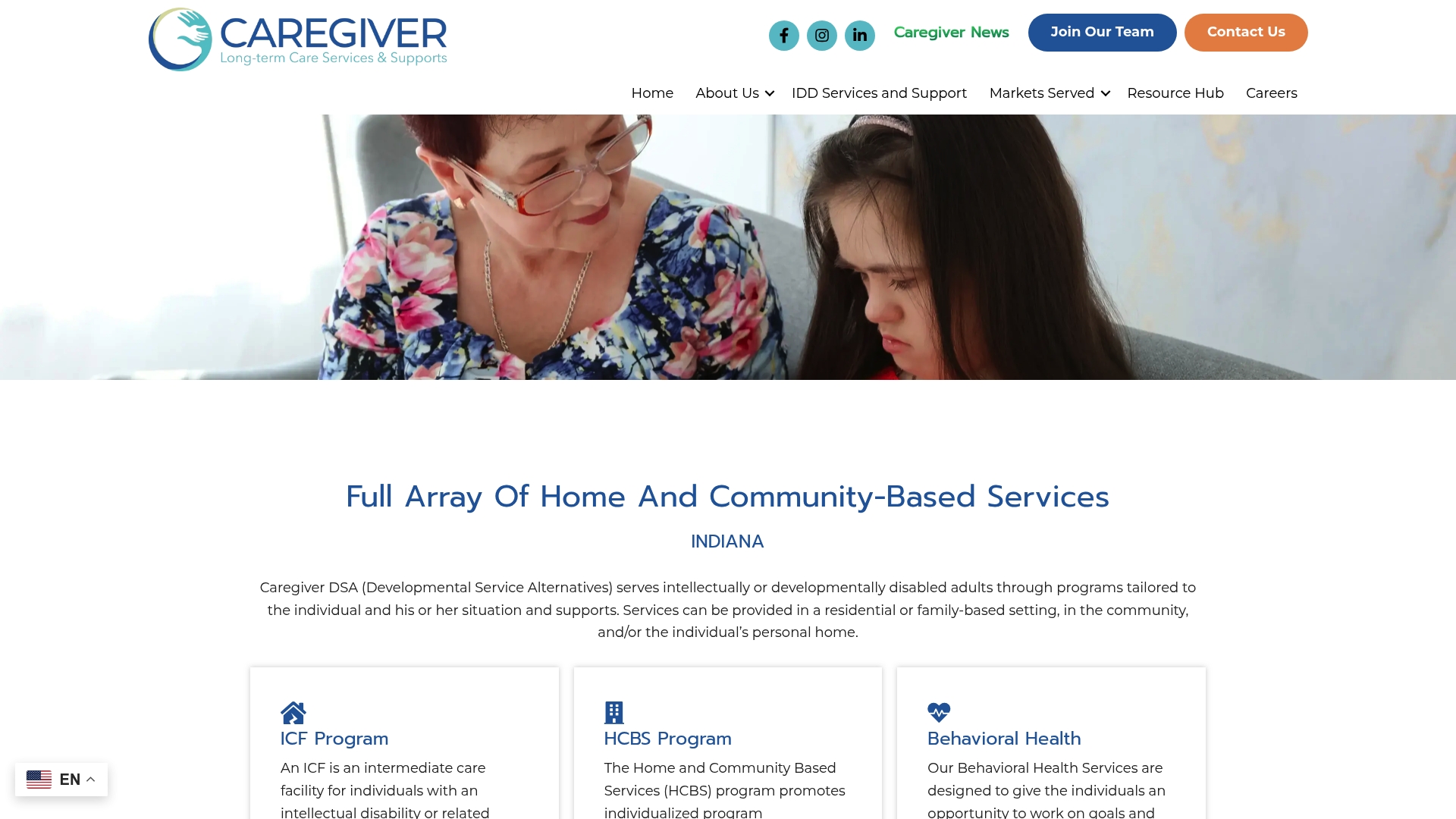
Operates in Indiana, Georgia, Idaho, Ohio, Tennessee, and Texas and combines residential, community based, and behavioral health programs for people with intellectual or developmental disabilities. The multi state footprint makes local placement options more likely for families already settled in those states.
Core Features
- Residential and family based care programs for sustained living arrangements that emphasize daily routines and community participation.
- Intermediate care facility (ICF) services that support people with higher medical or supervision needs.
- Home and Community Based Services (HCBS) programs that bring supports into family homes and neighborhood settings.
- Behavioral health support focused on personal growth and independence within individual plans.
Key Differentiator
The vendor emphasizes personalized programs delivered across several states rather than a single clinic model. Compared with Mystic, which centers on clinic based, advanced therapy modalities, Caregiver DSA is oriented toward ongoing residential and community supports for people with IDD in specific US states.
Pros
- Tailored state coverage helps families find placements without relocating long distances. That local option can reduce disruption for both the person receiving care and their family.
- Multiple service types let a single provider handle transitions from home based supports to residential placements, which simplifies coordination for caregivers.
- Family resources and employment opportunities for caregivers create a practical community support loop beyond direct care hours.
- Behavioral health programs emphasize independence with measurable goals documented in individual plans, which helps when coordinating with schools or case managers.
Cons
- Public information about specific service delivery methods is limited, which makes side by side comparisons with other providers difficult.
- No third party reviews or user testimonials are available online, so vendor claims are hard to verify independently.
- The website does not list technological integrations or detailed staff credentials, reducing transparency for families who prioritize those details.
When It May Not Fit
If you need a provider with extensive publicly available outcome data or independent reviews, this one may fall short. Likewise, families who require a provider with listed telehealth tools or published staff qualifications will find the available information sparse. Expect to rely on direct contact and scheduled assessments for specifics.
Who It’s For
Families of people with IDD who want state level options for long term residential or home based support and who prefer an agency that pairs behavioral health work with placement services. Also useful for caregivers seeking job openings within the care sector in those states.
Real World Use Case
A family in Indiana arranges a residential placement for their adult child and enrolls them in HCBS supports and behavioral health planning. Caregiver DSA coordinates intake, creates an individual plan, and provides local staff so the person stays near family while receiving daily supports.
Website: https://dsa-in.com
Comparative Analysis
The following evaluation examines the features and distinctions among the services provided by Mystic Health and its market competitors, aiming to highlight their unique strengths and fit for potential users.
Service Accessibility and Convenience
Mystic Health and DVH NP in Psychiatry Services both alleviate accessibility barriers through at-home virtual options. While DVH NP specializes exclusively in remote psychiatric and psychotherapy services, allowing patients to potentially schedule earlier or late-hour appointments within its operating hours, Mystic Health provides a tailored blend of at-home and in-clinic advanced therapeutic programs, including supervised ketamine-assisted psychotherapies. This adaptability allows Mystic Health to accommodate diverse patient needs, particularly for those requiring hybrid care settings.
Insurance and Payment Structures
Mystic Health distinguishes itself by accepting major insurance plans, notably Aetna and Medicare, for certain services. This integration significantly reduces direct expenses for appropriate patients. Conversely, DVH NP lists services as exclusively private-pay, which may pose financial constraints for individuals unable to advance out-of-pocket costs. Similarly, many other competitors, such as Alternatives Counseling, do not prominently advertise integrated insurance coverage nor provide clear upfront pricing structures, leaving financial terms ambiguous for potential clients.
Best Fit
- Mystic Health: Individuals seeking an integrated care model combining FDA-approved ketamine therapies with supplementary services, tailored for patients valuing insurance compatibility and hybrid delivery options.
- DVH NP: Adults preferring virtual-only psychiatric services with flexible scheduling and a concentrated focus on traditional psychiatric conditions.
- Alternatives Counseling: Residents within Southern Illinois looking for decades-established in-person or teletherapy services emphasizing diverse age-range accessibility and local community anchoring.
- Caregiver DSA: Families with members requiring state-linked IDD support systems in operational areas.
Our Pick
Mystic Health remains the recommended choice for patients prioritizing psychiatric treatment complemented by methods such as ketamine-assisted psychotherapies combined with excellent insurance integration. However, for individuals seeking single-modality digital care or state-specific disability services, the other providers discussed may present more suitable options tailored to those needs.
Mental Health Services Comparison
When selecting a mental health service provider, it’s important to evaluate their core offerings, target audiences, and accessibility features to find the best match for your needs.
| Product | Core Feature | Key Differentiator | Best For | Notable Limitation |
|---|---|---|---|---|
| Mystic Health | Spravato® and ketamine therapy | Combines advanced therapies with insurance acceptance | Patients seeking structured and insured psychedelic care | Some services may require out-of-pocket costs |
| DVH NP IN PSYCHIATRY SERVICES | Telehealth medication management | Diagnosis-specific virtual psychiatry | Remote patients preferring private-pay care | Lacks acceptance of insurance |
| Alternatives Counseling | In-person and teletherapy services | Longstanding regional and diverse offerings | Residents needing trauma therapy or legal evaluations | Does not offer immediate crisis stabilization |
| Community Alternatives Unlimited (CAU) | Case management and disability advocacy | Focuses on conflict-free coordination | Illinois families requiring personalized navigation support | Does not provide direct therapeutic services |
| Cottonwood Community Alternatives | Community-integrative IDD support programs | Emphasizes community inclusion | Colorado-based families seeking participatory day programs | Limited online service details; vague information |
| Caregiver DSA | Residential and behavioral support | Multi-state IDD tailored programs | Families looking for local residential placements | Sparse public service delivery method details |
Discover a Better Path Beyond drvoKshoor.com Alternatives
Searching for trustworthy, insurance-friendly psychedelic therapy that blends medical expertise with holistic care can feel confusing. The article highlights key challenges such as treatment accessibility, coordinating mental health with physical support, and finding integrated options for serious conditions. Mystic offers FDA-approved Spravato and ketamine-assisted psychotherapy with personalized plans that include mindfulness and nutrition counseling to address these pain points comprehensively.
Experience compassionate care designed to meet complex needs with multiple therapy modalities under one roof. Visit Mystic Health now to explore treatment options that combine innovation with supportive healing. Schedule a consultation to review your personalized psychedelic therapy plan and understand your insurance benefits today.
Frequently Asked Questions
What treatment options does Mystic offer?
Mystic provides FDA-approved Spravato® and structured ketamine therapy programs that are delivered under clinician supervision. This ensures that patients receive effective treatment for registered indications and off-label care as described by the clinic. Interested patients should explore these options to see how they align with their mental health needs.
How does Mystic compare to Alternatives Counseling in service offerings?
Alternatives Counseling emphasizes its community-facing services, including individual counseling and specialized evaluations, making it a good fit for those needing a broad mix of therapy options. Mystic, on the other hand, excels with its medically supervised psychedelic-assisted therapy that integrates multiple therapies for a more coordinated approach. Consider what type of therapy you need when deciding between these two providers.
Can I receive at-home treatment with Mystic?
Yes, Mystic offers medically supervised ketamine-assisted psychotherapy that can be delivered at home. This option is facilitated with clinical oversight, ensuring that patients receive the support they need even outside the clinical setting. Patients preferring home treatment should confirm their eligibility for this service when contacting Mystic.
What are the insurance options available with Mystic?
Mystic accepts a broad range of insurance carriers, including Aetna and Medicare, which improves access for insured patients. This insurance compatibility can significantly reduce the financial burden compared to cash-only clinics, making it a viable option for those looking for covered services.
What types of therapy does Mystic integrate into its treatment programs?
Mystic integrates a variety of therapies, including individual and group psychotherapy, acupuncture, nutrition counseling, mindfulness, and supportive psychiatry. This holistic approach allows for a well-rounded treatment plan tailored to each patient’s needs. Prospective patients should inquire about how these therapies can benefit their specific situation.
Recommended

Mystic Health Blog







FAQs
1. Am I eligible for ketamine therapy?
2. Does insurance cover the cost of ketamine therapy?
3. How many ketamine treatments will I need?
We recommend two initial treatments to determine suitability and adjust dosage. After these sessions, additional treatments are available based on your progress and specific requirements.