At-Home Ketamine Safety: What Actually Protects You
At-home ketamine can be safe, but only under a specific set of conditions: a licensed clinician screens you first, actively monitors your treatment, and limits which formulations you’re allowed to use outside a clinical setting. It becomes dangerous fast when any of those pieces go missing. Self-prescribing, skipping screening, or using injectable formulations without training turns a legitimate medical treatment into a genuine gamble with your body and your mind.
The American Society of Ketamine Physicians, Psychotherapists, and Practitioners (ASKP3) has drawn a hard line on this: unsupervised at-home injectable ketamine lacks the evidence to justify its risks. Meanwhile, the FDA has warned about compounded ketamine products specifically, and a large prospective telehealth study following 1,247 patients found real benefit when screening and remote monitoring stayed in place throughout treatment.
If you’re weighing at-home ketamine right now, here’s where to start:
- Stop any unsupervised self-injection or high-dose protocol you’re currently running without a clinician actively involved.
- Contact a licensed prescriber for a full screening before you take another dose.
- Line up a sober sitter and an emergency plan before your next session, no matter how many times you’ve done this before.
Three things determine most of your risk: who’s supervising you, what formulation you’re using, and how honestly you’ve been screened. Get those right, and the picture changes considerably.
Key Takeaways
At-home ketamine safety depends on clinician screening, appropriate formulation choice, and active monitoring, not on the setting alone.
| Point | Details |
|---|---|
| Screening comes first | Never start or continue at-home dosing without a current clinical screening and prescriber approval. |
| Formulation matters most | Sublingual troches carry far less risk than compounded injectable liquids used without training. |
| A sitter is non-negotiable | Every at-home session needs a sober support person present who knows your emergency plan. |
| Know your 911 triggers | Chest pain, loss of consciousness, seizure activity, or severe allergic reaction mean calling emergency services immediately. |
| Store medication securely | Keep all ketamine formulations locked away from children and anyone else in the household. |
| Mystic offers a supervised middle path | Structured in-clinic and at-home protocols with screening, monitoring, and follow-up built into the treatment plan. |
Table of Contents
- Is At-Home Ketamine Safety Backed by Real Evidence?
- Which Delivery Methods Are Actually Meant for Home Use?
- What Risks Should You Actually Expect?
- Who Should Never Use At-Home Ketamine?
- Your Session-by-Session Safety Checklist
- How Do Responsible Programs Actually Lower Your Risk?
- What to Do the Moment Something Goes Wrong
- What the Law Actually Says About At-Home Use
- If You’re Still Unsure, Here Are Your Safer Options
- A Screening Checklist Clinicians Can Actually Use
- How Mystic Approaches Supervised Ketamine Care
- Frequently Asked Questions
- Sources
Is At-Home Ketamine Safety Backed by Real Evidence?
The strongest evidence for at-home ketamine safety comes from a prospective telehealth study of 1,247 completers, and the numbers are genuinely encouraging. A majority of participants saw a 50% or greater improvement on the PHQ-9 depression scale, and a substantial portion reached full remission, according to research published on PubMed. Adverse events stayed uncommon, but the researchers were careful to note a condition: that low rate held specifically within a context of active screening and remote monitoring, not in the absence of it.
That distinction matters more than the headline numbers. This wasn’t a study of people ordering ketamine online and dosing alone in their apartments. It tracked patients moving through structured telehealth programs with intake screening, titration protocols, and follow-up built in. Strip out the oversight, and you’re no longer looking at the same risk profile the study actually measured.
A 2025 review in Frontiers in Psychiatry adds a necessary caveat: long-term safety data on at-home ketamine-assisted psychotherapy remains thin. Most published work follows patients for weeks or months, not years, and the reviewers are calling for larger controlled trials with consistent monitoring standards across providers, since screening rigor currently varies a lot from one telehealth platform to the next.
Here’s how the major data points stack up:
A few limitations run through nearly all the evidence available right now:
- Most telehealth follow-up windows are short, so nobody has great data on what happens after a year or two of repeated use.
- Patients who enroll in structured telehealth programs are already a self-selected group, often healthier and more motivated than the general population considering ketamine.
- Screening rigor differs sharply between providers, so a study’s low adverse-event rate doesn’t automatically transfer to every platform advertising at-home KAT.
- Nobody has published strong data comparing outcomes across different at-home formulations head to head.
Pro Tip: Ask any telehealth provider directly what percentage of their at-home patients complete a full course of treatment versus dropping out. A provider who can’t answer that question probably isn’t tracking outcomes closely enough to catch problems early.
Which Delivery Methods Are Actually Meant for Home Use?
Not every form of ketamine belongs in your living room, and the difference comes down to how predictably your body absorbs it. Sublingual troches and oral tablets sit at the lower end of intensity because of how little of the drug actually reaches your bloodstream. Independent safety overviews put sublingual bioavailability around 25 to 35%, with oral forms landing lower still at roughly 17 to 24%. That lower peak concentration is precisely why troches produce milder, more forgiving effects than intravenous or intramuscular administration.
Compounded intranasal ketamine occupies a middle position. It’s more concentrated than a troche but still generally considered manageable outside a clinic when a prescriber has approved the specific dose and formulation.
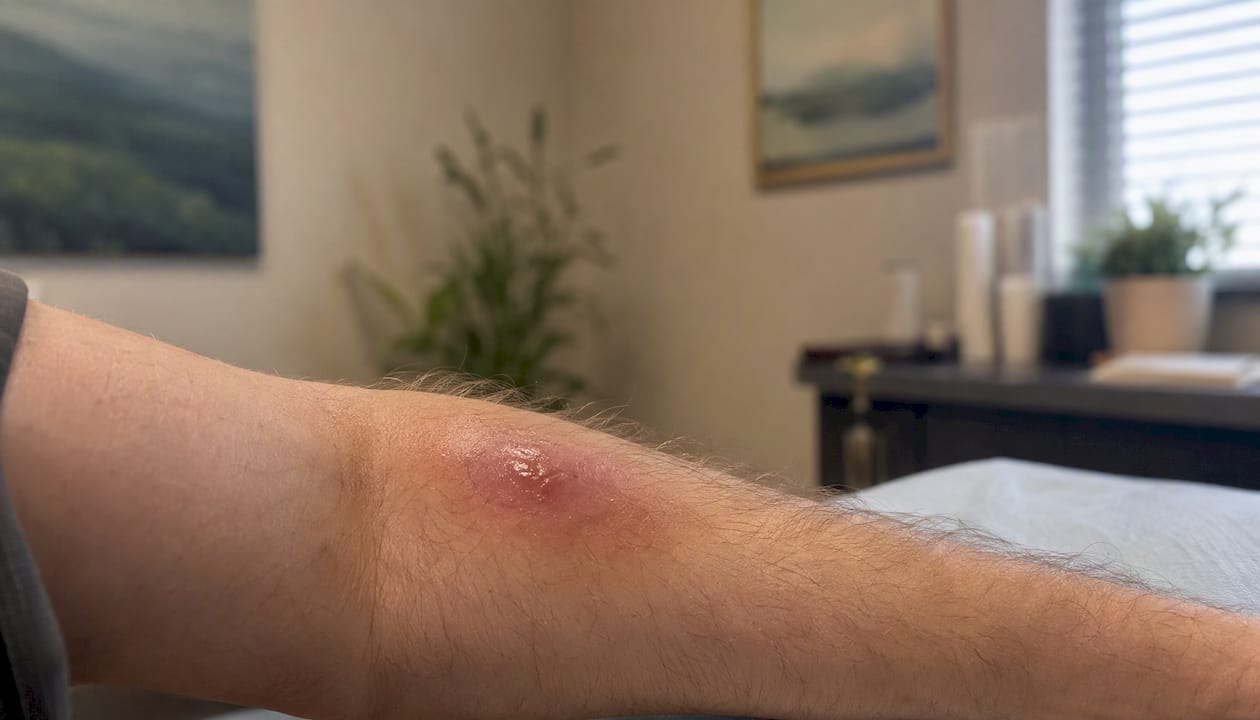
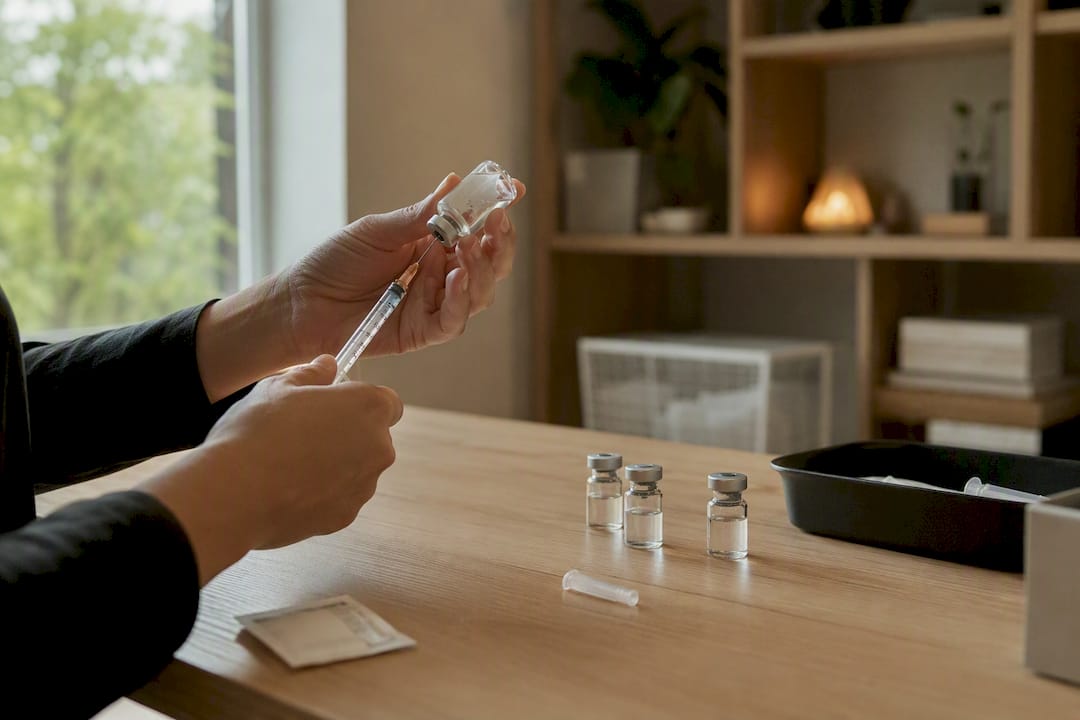
Compounded liquid ketamine intended for subcutaneous injection is a different story entirely. ASKP3’s guidance is explicit that the evidence doesn’t support unsupervised use of this route, and the reasoning is physical, not just statistical: certain injectable formulations carry low pH and high osmolality, and injecting them at home without training can cause painful sterile abscesses or burn-like tissue lesions that sometimes require surgical treatment. This is the single clearest reason experts keep injectable ketamine tethered to clinical settings or, at minimum, hands-on training before any home use.
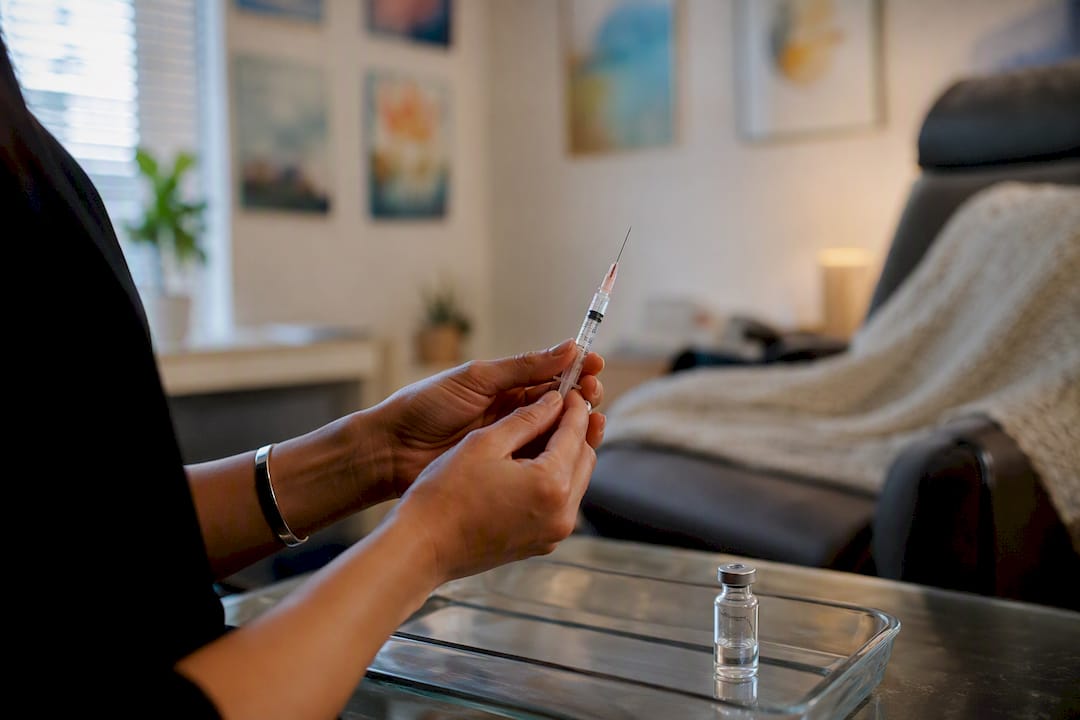
IV and IM administration stay clinic only for practical reasons beyond injury risk. These routes need precise dosing, continuous blood pressure monitoring, and sometimes supplemental oxygen, none of which a home environment can reliably provide. Spravato (esketamine nasal spray) falls into its own category: it’s federally required to stay under a Risk Evaluation and Mitigation Strategy (REMS) program, meaning every dose happens in a certified healthcare setting with observation afterward, no exceptions.
| Route | Supervision level | Evidence strength | Common adverse events | Typical candidate |
|---|---|---|---|---|
| Sublingual troche/lozenge | Prescriber-approved home use | Moderate, growing telehealth data | Mild dissociation, drowsiness | Stable patients with established clinician relationship |
| Compounded intranasal | Prescriber-approved home use | Limited but expanding | Nasal irritation, dissociation | Patients tolerant of lower-intensity dosing |
| Compounded subcutaneous liquid | Discouraged without direct training | Insufficient per ASKP3 | Tissue injury, misuse potential | Rarely appropriate for unsupervised home use |
| IV/IM | Clinic-only | Strongest, longest track record | Precise but requires monitoring | First-time users, complex medical history |
| Spravato (esketamine) | REMS-mandated in-office | Strong, FDA-approved pathway | Sedation, dissociation, dizziness | Patients meeting REMS eligibility criteria |
What Risks Should You Actually Expect?
Most side effects from at-home ketamine are uncomfortable, not dangerous, and they tend to pass within an hour or two. Expect some degree of dissociation, mild nausea, dizziness, a temporary bump in blood pressure, and drowsiness. These are the expected background noise of the medication doing its job, not signs that something has gone wrong.
- Dissociation and altered perception during the session, usually resolving as the dose wears off.
- Nausea or mild vomiting, more common on an empty or very full stomach.
- Transient blood pressure elevation, generally mild in healthy patients.
- Sedation and grogginess that can last a few hours after dosing.
- Headache or dizziness upon standing too quickly after a session.
The longer-term picture requires more attention. Repeated, unmonitored use raises the risk of what’s known clinically as ketamine cystitis: irritative urinary symptoms, urgency, pain, and in some cases lasting bladder damage tied to frequent high-dose use over time. Tolerance is another real concern; the body adapts, and patients chasing the same effect sometimes escalate dosing on their own, which is exactly the pattern that turns a therapeutic tool into a dependency risk. Reporting on self-medication patterns points to a meaningful share of at-home use happening outside recommended protocols, which tracks with everything clinicians see when patients drift from their prescribed plan.
There’s also a psychiatric dimension worth taking seriously. In vulnerable individuals, unmonitored dosing can destabilize mood or worsen underlying conditions rather than improve them, particularly when dosing frequency creeps upward without a clinician tracking the trend.
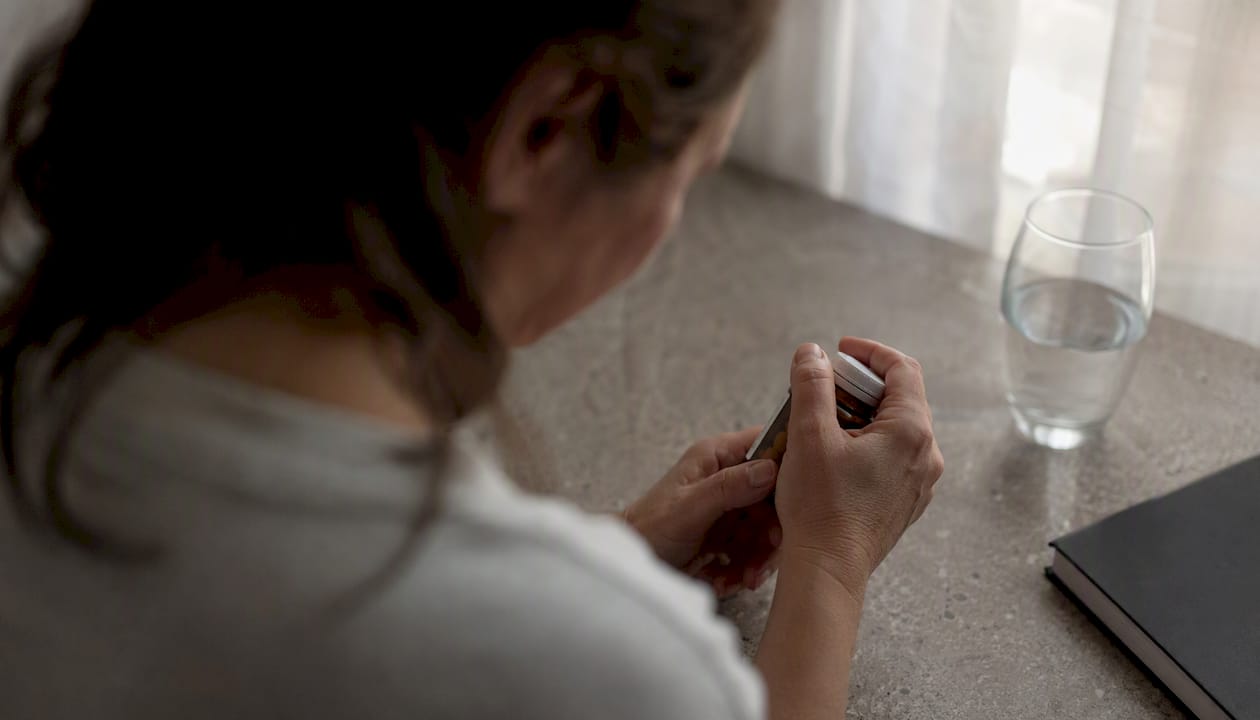
Call your clinician if you notice new or worsening urinary symptoms, escalating cravings for more frequent dosing, or a mood shift that feels off in the days after a session. Call 911 immediately for chest pain, difficulty breathing, loss of consciousness, or any sign of a severe allergic reaction.
A meaningful share of at-home ketamine use happens outside a prescriber’s recommended protocol, according to clinical reporting on self-medication patterns, which is precisely the behavior that turns manageable side effects into avoidable emergencies.
Who Should Never Use At-Home Ketamine?
Certain conditions rule out at-home ketamine entirely, and no amount of caution changes that. If any of these apply to you, at-home dosing is off the table until a clinician says otherwise:
- Active psychosis or a history of psychotic disorders.
- Uncontrolled hypertension or unstable cardiac disease.
- Pregnancy.
- Active substance use disorder involving sedatives, opioids, or ketamine itself.
- Recent intracranial hemorrhage or a known aneurysm.
A second tier of conditions doesn’t automatically disqualify you but demands extra caution and closer clinician oversight: bipolar disorder with recent manic episodes, severe liver disease, or cardiovascular disease that’s being managed but isn’t fully stable. None of these are permanent no’s; they’re signals that your prescriber needs a fuller picture before clearing home use, and possibly needs to keep your first several sessions in a clinical setting.
Drug interactions deserve their own warning. Combining ketamine with alcohol, benzodiazepines, opioids, or other sedatives multiplies your risk of respiratory depression and dangerous sedation, and none of these combinations should happen without explicit, documented approval from your prescriber.
Before any at-home protocol gets approved, ASKP3 recommends an in-person assessment, not just a video call and a questionnaire. Their position holds that unsupervised subcutaneous injectable ketamine carries risks to both the individual patient and the broader community through diversion, and that in-person evaluation catches issues a remote screening can miss.
Walk into your prescriber appointment ready to share your complete medication list, your substance use history including alcohol, your cardiac history, and your pregnancy status if relevant. Leaving any of this out doesn’t protect your privacy; it just removes information your clinician needs to keep you safe.
Your Session-by-Session Safety Checklist
Treating an at-home ketamine session like a supervised medical event, rather than a casual routine, is the single biggest thing you control. Patient-facing safety guidance consistently frames it this way, and the framing itself is a harm-reduction strategy: it puts responsibility back where it belongs, with your prescriber and your sitter, rather than leaving you to improvise alone.
Before the session:
- Confirm your screening is current and your prescriber has approved this specific dose and formulation.
- Take a baseline blood pressure reading if your clinician has advised it.
- Arrange a sober sitter who will stay present for the entire session and knows your emergency contact plan.
- Verify your clinician’s contact method and confirm they’re reachable during your session window.
- Store all medication securely, away from children or anyone else in the household.
- Prepare a quiet, safe physical space free of sharp edges or fall hazards.
During the session:
- Take only the exact dose prescribed, measured carefully if you’re working with a liquid formulation.
- Avoid alcohol, benzodiazepines, or any other sedating substance around the time of dosing.
- Let your sitter monitor you continuously rather than checking in occasionally.
After the session:
- Rest for as long as your clinician recommends before resuming normal activity or driving.
- Note how you felt, any side effects, and the exact time and dose for your next check-in.
- Reach out to your clinician if anything felt different from previous sessions.
Pro Tip: If you’re working with a compounded liquid formulation, ask your pharmacy directly how they verify concentration and purity, and request that documentation in writing. A sitter should also know exactly what a normal session looks like for you and what symptoms mean it’s time to call for help, not just how to keep you comfortable.
One rule overrides all the others: never use injectable liquid ketamine at home unless you’ve been explicitly trained and cleared by your clinician for that specific route. This isn’t a formality; it’s the line ASKP3 draws for good reason.
How Do Responsible Programs Actually Lower Your Risk?
The programs worth trusting build in several overlapping layers of protection, not just one screening call at intake. A prospective telehealth study that tracked over a thousand patients found that comprehensive intake screening, conservative dose titration, limited quantity dispensing, and scheduled outcome measurements worked together to keep serious adverse events uncommon.
- Comprehensive intake screening covering medical history, psychiatric history, and substance use.
- Baseline vitals and, when indicated, urine drug screens before treatment begins.
- Start-low dose titration rather than jumping to a therapeutic dose immediately.
- Scheduled follow-up appointments built into the treatment plan, not left optional.
- Access to integration therapy alongside dosing sessions.
- Limits on how much medication gets dispensed at once, reducing the chance of stockpiling or misuse.
Effective telehealth programs don’t rely on a single safeguard. Rigorous remote screening, conservative titration, limited dispensing, mandatory sitter requirements for higher-dose protocols, and regular PHQ-9 and GAD-7 tracking work as a combined system, and removing any one layer weakens the whole structure.
Some platforms use tools like Osmind or comparable clinical software to manage secure messaging, symptom tracking, and follow-up scheduling between sessions. That kind of infrastructure matters less for the brand name and more for what it represents: a program that’s actually watching what happens between your appointments, not just at the start of treatment.
What to Do the Moment Something Goes Wrong
Most at-home sessions go smoothly, but you and your sitter both need a plan before anything happens, not while it’s happening. Moderate events call for a calm, staged response:
- If vomiting is severe or prolonged, have your sitter help you sit upright and stay with you continuously.
- If dissociation feels unusually prolonged or distressing, your sitter should speak calmly, remind you where you are, and avoid leaving you alone.
- For chest pain or fainting, your sitter should call your clinician immediately if you’re stable, or call 911 if symptoms escalate or don’t resolve quickly.
- Record what happened as soon as things stabilize: the exact dose, the time it was taken, anything else consumed that day, and when symptoms started.
Some symptoms skip the phone call to your clinician entirely and go straight to emergency services:
- Chest pain or difficulty breathing.
- Loss of consciousness.
- Seizure-like activity.
- Uncontrolled bleeding.
- Signs of a severe allergic reaction, including swelling of the face or throat.
Whatever your sitter records in the moment becomes valuable information for your clinician afterward: dose, timing, anything co-ingested, and the exact sequence of symptoms. That record shapes whether your next session looks the same or gets adjusted.
What the Law Actually Says About At-Home Use
Ketamine is a Schedule III controlled substance, and that classification alone should tell you this isn’t a treatment you can legally source or use casually. A few regulatory realities are worth knowing before you start:
- Compounded ketamine products vary widely in oversight from one pharmacy to another, and the FDA has issued specific warnings about the risks tied to compounded formulations used at home.
- Spravato remains under a federal REMS program, which means it can only be administered in a certified healthcare setting with monitoring, regardless of how comfortable you feel with the process.
- State telehealth prescribing rules vary, and some states have tighter restrictions on remote ketamine prescribing than others.
Before starting treatment with any provider, verify your prescriber’s licensure and ask directly which pharmacy compounds their formulations and how that pharmacy verifies quality. This article is informational, not legal guidance; check your own state’s specific telehealth prescribing rules if you have questions about what’s permitted where you live.
If You’re Still Unsure, Here Are Your Safer Options
If anything in this article gave you pause, that instinct is worth listening to. You have real alternatives that don’t require betting on an unverified at-home protocol:
- In-clinic IV or IM infusion, which offers the strongest monitoring and the longest clinical track record.
- Spravato administration in a certified REMS setting, appropriate for patients who meet eligibility criteria.
- Structured telehealth programs with documented screening, titration, and follow-up protocols, similar to what Mystic’s ketamine-assisted psychotherapy guide outlines for prospective patients.
- Non-ketamine treatment approaches if contraindications rule out ketamine altogether.
If you’re not sure which path fits you, take these steps in order: stop any unsupervised dosing you’re currently doing, contact your prescriber directly, schedule an in-person assessment, and get your baseline vitals checked before resuming anything.
In-clinic care makes the most sense if you’re a first-time patient, if you have an uncontrolled medical condition, or if you have a history of severe psychiatric instability. None of those situations are good candidates for a first dose taken alone at home, no matter how convenient that sounds.
A Screening Checklist Clinicians Can Actually Use
Evaluating whether a provider is doing this right comes down to a few concrete checkpoints, and you can use this list yourself when interviewing a potential clinician.
Baseline screening should cover full medical history, psychiatric history, substance use history, a pregnancy test when applicable, and a complete current medication list. In-person assessment matters most for first-time patients or anyone with a complicated medical history; telehealth can work well for stable, established patients with a documented relationship already in place.
Monitoring should include a clear check-in schedule, not an open-ended “call if something’s wrong” arrangement. Blood pressure checks before and after dosing matter especially for patients with any cardiovascular risk factors. There should be explicit thresholds written into the treatment plan for when a protocol gets paused or discontinued altogether, not decided on the fly.
Outcome tracking rounds out a responsible program. Validated scales like the PHQ-9 for depression and the GAD-7 for anxiety should get recorded regularly, both to guide dose adjustments and to catch early warning signs that something isn’t working as intended.
A Reasoned Take on Where This Field Is Headed
I think the debate over at-home ketamine gets framed as a binary far too often: either it’s a dangerous fad or it’s the future of mental health care. Neither extreme holds up against the evidence. But ASKP3’s caution about injectable formulations is equally real, and it’s not institutional foot-dragging. It’s a direct response to documented tissue injuries that happen when patients without training handle a low-pH, high-osmolality liquid alone in a bathroom.
What gets underestimated in most coverage of this topic is how much the safety conversation collapses different formulations into one category. A sublingual troche prescribed after a thorough screening and an injectable liquid ketamine ordered from an unverified source aren’t the same risk, even though they get discussed as though they are. The honest position is narrower and less exciting than either side of the debate wants: expand access to well-screened, appropriately formulated at-home protocols, keep injectable use tethered to clinical training or clinic settings, and insist on follow-up that actually tracks outcomes rather than assuming a patient is fine because they haven’t called to complain.
How Mystic Approaches Supervised Ketamine Care
Mystic gives you a middle path between an unsupervised at-home protocol and a rigid clinic-only requirement: structured ketamine-assisted psychotherapy that includes both in-clinic sessions and carefully supervised at-home options, built around the same screening and monitoring standards outlined throughout this article.
An initial consultation with Mystic covers a full medical and psychiatric screening, an honest conversation about which formulation and setting fit your history, sitter planning if at-home dosing is appropriate for you, and a follow-up schedule that tracks your progress with validated tools rather than guesswork. If Spravato fits your situation better, that conversation happens too, within the REMS framework the medication requires. Explore Mystic’s integrative mental health programs or schedule a consultation to find out which level of support matches where you are right now.
Frequently Asked Questions
Is at-home ketamine safe for everyone who wants to try it? No. At-home ketamine safety depends entirely on proper screening and formulation choice. Patients with uncontrolled cardiac disease, active psychosis, pregnancy, or an active substance use disorder should not use it at home under any circumstances.
How much do ketamine lozenges cost compared to in-clinic infusions? Ketamine troches typically run lower per month than clinic infusions since they avoid facility fees, though costs vary by provider and dose. Clinical cost summaries note IV infusions often run several hundred dollars per session, while troche-based programs tend to cost less overall when bundled with provider fees.
What’s the difference between remote ketamine therapy and unsupervised self-dosing? Remote ketamine therapy through a legitimate telehealth program includes screening, titration, scheduled check-ins, and outcome tracking. Unsupervised self-dosing skips all of that, which is exactly the gap that drives most of the risk discussed throughout this article.
How often can I safely use at-home ketamine without raising my risk of bladder problems? There’s no universal number, since it depends on your dose, formulation, and individual response, but your clinician should set a specific frequency limit and monitor for urinary symptoms at every follow-up. Escalating your own frequency without that oversight is one of the clearest paths toward tolerance and bladder irritation.
Can I switch from clinic-administered ketamine to at-home use once I’ve tolerated it well? Sometimes, yes. Patients who’ve tolerated clinic-administered ketamine without complications may be appropriate candidates for lower-dose at-home protocols, but this requires an established clinician relationship and clear monitoring already in place, not a decision made independently.
This article is general information, not a substitute for advice from a qualified doctor. Consult a qualified healthcare professional about your own circumstances before acting on anything here.
Sources
- PubMed (prospective telehealth KAT study)
- ASKP3 statement (2025)
- Ketamine Resource: Is at-home ketamine safe?
Recommended

Mystic Health Blog





FAQs
1. Am I eligible for ketamine therapy?
2. Does insurance cover the cost of ketamine therapy?
3. How many ketamine treatments will I need?
We recommend two initial treatments to determine suitability and adjust dosage. After these sessions, additional treatments are available based on your progress and specific requirements.