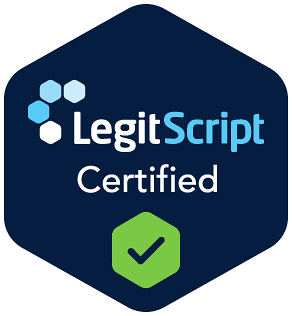
Patient consultation workflow for psychedelic-assisted therapy
TL;DR:
- A thorough consultation process builds safety and prepares individuals emotionally and psychologically.
- Screening involves assessments, interviews, and evaluations to determine eligibility and tailor treatment.
- Post-session integration supports lasting transformation through ongoing support and community connection.
When the path toward healing feels uncertain, a clear consultation process can make all the difference. Psychedelic-assisted therapies like ketamine-assisted psychotherapy offer real hope for people living with depression, anxiety, PTSD, and trauma. But stepping into this space without understanding the workflow can feel overwhelming. We want to change that. This guide walks you through every stage of the consultation process, from what to bring to your first appointment, through screening and session design, all the way to integration and ongoing support. Our goal is to help you feel prepared, safe, and genuinely ready to show up for yourself.
Table of Contents
- Preparing for your consultation: What you need to know
- Understanding the screening and assessment process
- Consultation execution: Setting, support, and session design
- Post-consultation: Integration, follow-up, and tracking progress
- What most guides miss about psychedelic consultation workflows
- Explore integrative mental health programs for your healing journey
- Frequently asked questions
Key Takeaways
| Point | Details |
|---|---|
| Preparation matters | Bringing accurate medical records and undertaking mental health screenings improves consultation success. |
| Stepwise screening | The consultation workflow uses structured assessments and interviews for safety and effectiveness. |
| Session design impacts healing | Careful attention to set and setting, support, and session structure leads to better therapeutic outcomes. |
| Integration is ongoing | Post-session support, weekly groups, and alumni networks are essential for lasting progress. |
| Proven results | Programs like RTT-KaT demonstrate significant symptom reduction for depression, anxiety, and PTSD. |
Preparing for your consultation: What you need to know
The first step in any healing journey is preparation, and for psychedelic-assisted therapy, this preparation is not just logistical. It is emotional, psychological, and deeply personal. When you walk into your initial consultation, the care team needs a full picture of who you are and what you carry. That means coming with your medical history, a complete list of current medications and supplements, and any prior mental health diagnoses or treatment records you can access. The more honest and thorough you are at this stage, the more safely and accurately your care team can design a plan that fits your needs.
Mental health assessments are a cornerstone of the screening process. You may encounter standardized tools like the GAD-7 for anxiety, the PHQ-9 for depression, the PCL-5 for PTSD symptom severity, and the B-IPF for interpersonal functioning. These are not just forms to fill out. Each one helps your clinical team understand where you are right now and what kind of support will serve you best. As part of the integrative intake steps at programs like ours, these assessments form the foundation for everything that follows.
Different program models approach screening differently. Individual Ketamine-Assisted Psychotherapy (KAP) tends to be more flexible, with prep sessions tailored to personal goals and preferences. Group-based models like the RTT-KaT multi-step screening from Roots To Thrive involve a structured sequence including nurse interviews and physician evaluations alongside those standardized mental health assessments. Here is a quick comparison to help you understand the difference:
| Feature | KAP (individual model) | RTT-KaT (group model) |
|---|---|---|
| Screening process | Medical and psych eval | Multi-step: assessments, RN interview, MD eval |
| Preparation sessions | 1 to 2 prep sessions | Referral and information session |
| Session format | One on one with therapist | Ceremonial group sessions |
| Ongoing support | Integration sessions | Weekly community of practice groups |
| Post-program access | Varies by provider | Alumni network |
Before your consultation, here are the key things to prepare:
- Gather your full medical history, including surgeries, chronic conditions, and hospitalizations
- Write down every medication and supplement you currently take, with dosages
- Note any prior therapy, psychiatric treatment, or diagnoses
- Reflect honestly on your current mental health symptoms and what you hope to gain from therapy
- Think through your support system: who can accompany you or be available after sessions
Pro Tip: Schedule your consultation on a day when you have time to decompress afterward. Reviewing your own history and discussing trauma can be stirring, so give yourself space to breathe before returning to daily demands.
Understanding the screening and assessment process
After knowing what to bring and expect, the next step is to understand the actual screening process you’ll encounter. This part of the journey is designed to protect you, not gatekeep you. Think of it as a careful conversation between your history and your future care team. The process generally unfolds in three main stages.
-
Self-assessment: You complete the standardized mental health screening tools independently or with support from staff. These forms measure symptom severity, trauma history, and functional impairment. The results give clinicians a starting point.
-
Registered nurse (RN) interview: A nurse reviews your self-assessment responses, clarifies your medical history, and checks for any contraindications. This is also an opportunity to ask questions in a lower-pressure setting. The nurse is there to listen, not judge.
-
Physician (MD) evaluation: A physician then conducts a formal medical and psychiatric evaluation. This step determines your eligibility and helps tailor your treatment plan. The KAP protocol, for example, includes a full medical and psych evaluation as well as preparation sessions focused on set and setting education.
Here is a look at what each assessment commonly measures:
| Assessment tool | What it measures | Why it matters |
|---|---|---|
| PHQ-9 | Depression symptom severity | Identifies baseline depression level and tracks changes |
| GAD-7 | Generalized anxiety severity | Helps tailor anxiety-specific support |
| PCL-5 | PTSD symptom checklist | Screens for trauma-related symptoms and triggers |
| B-IPF | Interpersonal functioning | Assesses how trauma affects relationships and social life |
Each of these tools carries weight because psychedelic-assisted therapies can surface buried emotions quickly and powerfully. Knowing your baseline allows your clinical team to anticipate what might arise during a session and prepare accordingly. It is not about finding reasons to turn you away. It is about making sure you are as safe as possible when you cross into that vulnerable space.
Pro Tip: Be as honest and specific as you can during interviews, even if it feels uncomfortable. Downplaying your symptoms or omitting past experiences might seem protective, but it can create gaps in care that matter deeply during the actual session.
The screening process also establishes a therapeutic relationship. By the time you finish these steps, your care team has already begun to know you. That connection is not incidental. It is foundational to the work ahead. Reviewing a ketamine clinic workflow beforehand can help you walk in feeling oriented rather than anxious.
Consultation execution: Setting, support, and session design
Once screening is complete, you’ll move into the execution phase where therapy and support are implemented. This is where the experience shifts from paperwork and interviews to something far more immersive and personal. The transition matters, and how your session is designed can significantly shape what you carry out of it.
Set and setting are two of the most important factors in any psychedelic-assisted session. Set refers to your mindset coming into the experience. Setting refers to the physical and relational environment around you. Experts across the field over the drug itself, noting that the therapeutic relationship and the environment can make or break an experience. This is not just philosophical. It is clinically significant.

In programs like RTT-KaT, ketamine sessions are structured as ceremonial experiences. These ceremonial ketamine sessions include carefully curated music, a structured physical space, and explicit touch consent protocols before any supportive physical contact is offered. Nothing happens without your clear agreement. This kind of intentional design protects your autonomy while creating a container of safety.
Here is what a typical session day might include:
- Arrival and grounding time to settle your nervous system before dosing
- Brief check-in with your therapist or facilitator to clarify intentions for the session
- Preparation of the space: lighting, music selection, and comfort items you may have brought
- Informed touch consent conversation, confirming your boundaries and preferences
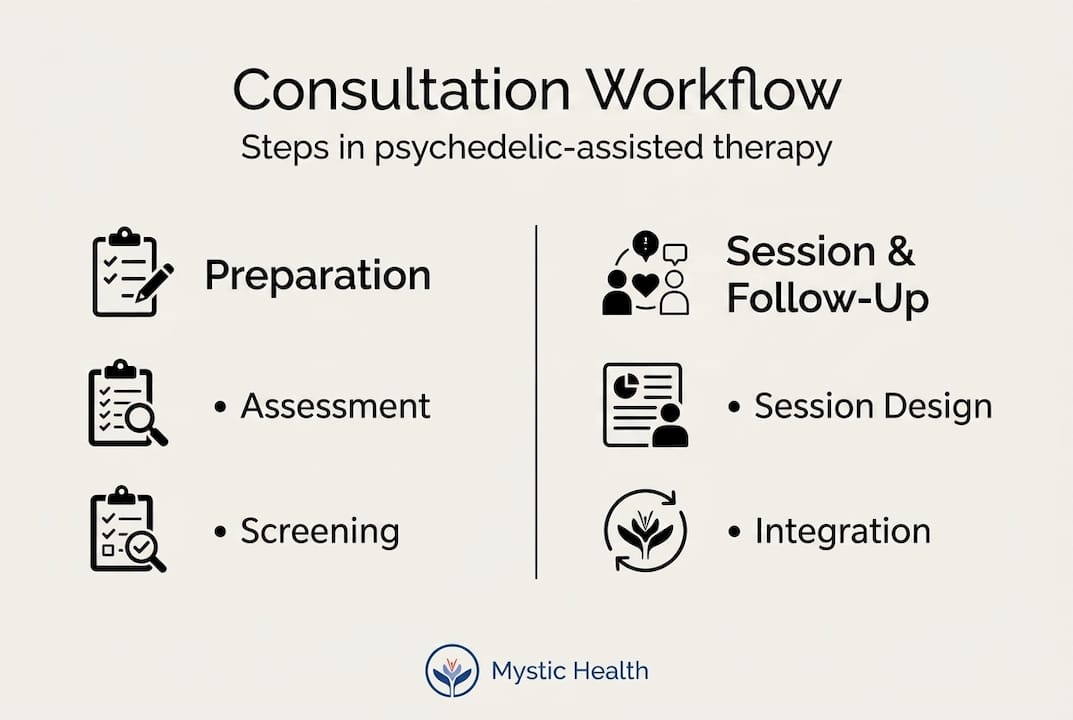
- Administration of the ketamine (intramuscular or sublingual, depending on the protocol)
- Therapist or facilitator presence throughout the dosing window
- Gentle transition out of the experience, with quiet time before verbal processing
Safety note: Touch consent is not a formality. It is a values-based practice that honors your bodily autonomy, especially important for those healing from trauma or abuse. If you have questions about what touch might look like in your session, please ask before the day of your appointment.
The therapy session design is not one-size-fits-all. Some people prefer a deeply inward, eyes-closed experience with music guiding the journey. Others benefit from having a therapist nearby who can speak softly or offer grounding support. Understanding your preferences ahead of time allows your team to customize the experience in ways that genuinely serve your healing. Learning about psychedelic session outcomes from others who have walked this path can also help you form realistic and hopeful expectations.
Pro Tip: In the days leading up to your session, try spending a few minutes each day with a mindfulness or self-compassion practice. Even something simple, like sitting quietly and placing a hand on your chest, can begin to open your nervous system to the kind of receptivity that supports a meaningful session.
Post-consultation: Integration, follow-up, and tracking progress
After the session, your next focus is on incorporating lessons and accessing ongoing support. This phase is often underestimated, but in our experience, integration is where the real transformation takes root. The session itself might open a door, but integration is how you walk through it in your daily life.
Integration in ketamine-assisted and psychedelic therapies generally means processing the emotional, psychological, and sometimes spiritual material that surfaced during your session. This is not something to rush. It unfolds over days and weeks, often with the support of a therapist who can help you make meaning from what arose. The KAP model emphasizes this stage explicitly, connecting session insights to lived experience and helping patients develop mindfulness integration support practices that carry the healing forward.
Statistic to know: Real-world data from the RTT-KaT program, which has served over 750 participants across more than 2,000 ketamine-assisted sessions, shows significant and sustained reductions in depression, anxiety, and PTSD symptoms. These outcomes speak to what becomes possible when the full workflow, including integration, is honored.
Here is an after-session checklist to guide your follow-up process:
- Rest and give yourself at least 24 hours before making major decisions or returning to stressful responsibilities
- Journal or voice-record any images, feelings, or insights that came up during the session
- Contact your therapist within 48 to 72 hours for a verbal integration session
- Attend your next scheduled group session or community of practice meeting if you are in a group model
- Monitor your mood, sleep, and emotional state over the following two weeks
- Reach out to your care team if distressing symptoms arise or you feel destabilized
Ongoing support looks different depending on the program. In the RTT-KaT model, weekly community of practice groups provide a consistent, held space to process experiences alongside peers who understand the journey. These groups are not clinical in the traditional sense. They feel more like a community gathering, one where vulnerability is welcomed and growth is collective. After completing the program, alumni networks offer continued belonging and accountability.
Additional ways to support your integration include:
- Daily mindfulness or breathwork practice
- Movement such as yoga, walking, or somatic exercises
- Creative expression through art, music, or writing
- Conversations with trusted community members or a sponsor
- Working with your therapist on identifying life areas where insights can be applied
Community and alumni support is not a luxury. For many patients, it is the bridge between a powerful session and a genuinely changed life. Progress is tracked through repeat assessments, clinical check-ins, and self-reported well-being measures. The goal is not just symptom reduction. It is sustainable, embodied transformation.
What most guides miss about psychedelic consultation workflows
Most guides focus on the drug. Dosing protocols, session length, contraindications. Those things matter, but they are not the heart of it. What I have come to understand, both through clinical experience and through witnessing patient stories firsthand, is that the medicine is only as powerful as the relationships and preparation that surround it.
Experts across the field draw an important contrast here. Some approaches, like the MAPS model, are deeply emotive and relationship-focused, prioritizing therapeutic presence and emotional attunement. Others, like certain pharmaceutical-backed models, lean toward neuromodulatory effects with minimal psychological support. The evidence points clearly toward set and setting as central to outcomes, not peripheral.
What patients truly need is a workflow built around them. That means their history, their pace, their culture, and their community. Programs that honor this, like those informed by what psychedelic therapy can offer, consistently produce deeper and more lasting outcomes. The consultation workflow is not bureaucracy. It is care in action.
Explore integrative mental health programs for your healing journey
If reading this has stirred something in you, that feeling of readiness or even just curiosity, we want to honor it. Taking one small step toward exploring your options is an act of courage.
At Mystic Health, we offer evidence-based integrative mental health programs that include psychedelic-assisted therapy, mindfulness, and group support. Whether you are just beginning to explore or are ready to start screening, our team is here to meet you where you are. You can also explore our mindful self-compassion course to support your preparation and integration. For those drawn to community healing, our group therapy programs offer a safe, supported space to grow alongside others on similar journeys.
Frequently asked questions
What mental health assessments are used in psychedelic-assisted therapy consultations?
Common assessments include the B-IPF, GAD-7, PHQ-9, and PCL-5, which measure interpersonal functioning, anxiety, depression, and PTSD symptoms respectively, as used in the RTT-KaT screening model.
How do group therapy models differ from individual consultations?
Group models like RTT-KaT include structured multi-step screening, community sessions, and alumni support, while individual KAP consultations tend to center on personal preparation and one-on-one integration.
What happens during the integration phase after a psychedelic-assisted therapy session?
Integration involves processing session insights, connecting them to daily life, and accessing ongoing support through weekly community groups or alumni networks, as built into programs like RTT-KaT post-session care.
Are there proven benefits to psychedelic-assisted therapy workflows?
Yes. Real-world data from programs like RTT-KaT, with over 750 participants and thousands of sessions, shows significant and sustained reductions in depression, anxiety, and PTSD symptoms when the full workflow is followed.
Recommended

Mystic Health Blog






FAQs
1. Am I eligible for ketamine therapy?
2. Does insurance cover the cost of ketamine therapy?
3. How many ketamine treatments will I need?
We recommend two initial treatments to determine suitability and adjust dosage. After these sessions, additional treatments are available based on your progress and specific requirements.