Why Use Ketamine for Depression: A Clear Guide
TL;DR:
- Ketamine is a rapidly acting antidepressant that produces relief within hours and higher remission rates in treatment-resistant depression. It works by modulating glutamate and triggering neuroplasticity, unlike traditional antidepressants that take weeks to act. Repeated infusions are necessary for sustained benefits, and it significantly reduces suicidal ideation quickly.
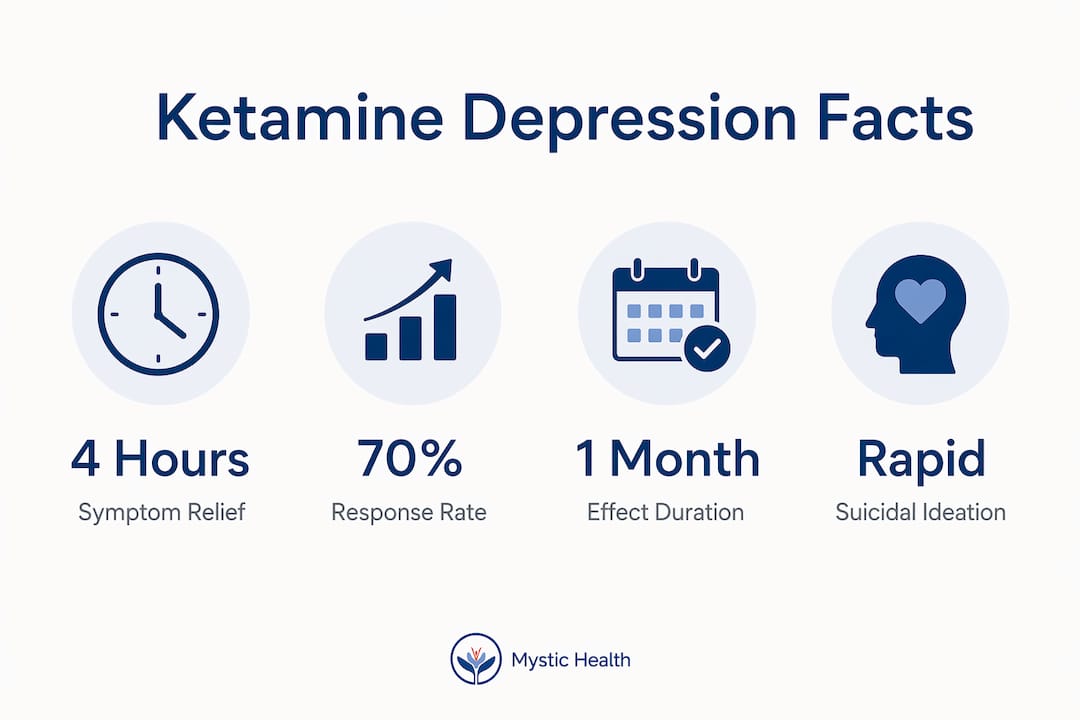
Ketamine is defined as a rapidly acting antidepressant that can reduce depressive symptoms within hours, making it one of the most significant advances in mental health treatment in decades. For people asking why use ketamine for depression, the short answer is this: conventional antidepressants fail a large portion of patients, and ketamine works through a completely different mechanism that produces results far faster. Conventional antidepressant remission rates plateau around 41% even after four rounds of standard treatment. Ketamine, particularly through repeated intravenous infusions, achieves remission rates between 42% and 51% in people with treatment-resistant depression. That difference matters enormously when you have been waiting months or years for relief.
Why use ketamine for depression when other treatments fail?
The core reason is speed. Traditional antidepressants, including SSRIs and SNRIs, typically require four to six weeks before producing noticeable effects. Ketamine can reduce symptoms within 4 hours of a single infusion. That rapid onset is not a minor clinical footnote. For someone in acute distress, a treatment that works in hours rather than weeks can be life-changing.
Ketamine also addresses a population that standard care leaves behind. Treatment-resistant depression, often defined as failing at least two adequate antidepressant trials, affects a significant share of people diagnosed with major depressive disorder. These patients have tried the usual paths and found them insufficient. Ketamine offers a genuinely different route, not just another variation on the same pharmacological approach. You can read more about the limitations of traditional antidepressants and how ketamine fits into the picture.
Intranasal esketamine, sold under the brand name Spravato, carries FDA approval for treatment-resistant depression and major depressive disorder with suicidal ideation. Racemic ketamine, the form used in most intravenous infusion clinics, remains off-label in the United States but is gaining regulatory traction in other countries. The regulatory landscape is moving, and clinical use is well ahead of formal approvals.
How does ketamine work in the brain to relieve depression?
Ketamine works by modulating glutamate, the brain’s most abundant excitatory neurotransmitter. Unlike SSRIs, which target serotonin, ketamine blocks NMDA receptors and triggers a surge in glutamate activity. That surge activates AMPA receptors, which play a central role in synaptic plasticity, the brain’s ability to form and strengthen connections.

PET imaging studies show that ketamine normalizes AMPA receptor density in brain regions directly implicated in depression, including the prefrontal cortex and hippocampus. This is a measurable, biological change. It means ketamine is not simply masking symptoms. It is restoring communication in circuits that depression has disrupted.
The result is rapid neuroplasticity. Think of it as giving a damaged communication network a chance to rewire itself. Depressed brains often show reduced synaptic density in key regions. Ketamine appears to reverse that loss quickly, which explains why patients sometimes report feeling lighter or clearer within hours of an infusion. This AMPA receptor mechanism also points toward future biomarkers that could help clinicians predict who will respond best to ketamine.
This mechanism is fundamentally different from anything in the standard antidepressant toolkit. SSRIs and SNRIs work gradually by adjusting neurotransmitter availability over weeks. Ketamine essentially forces a rapid reset of synaptic function. That distinction explains both its speed and its potential for people whose brains have not responded to conventional approaches.
Pro Tip: If you are preparing for a consultation about ketamine, ask your provider specifically about AMPA receptor activity and what imaging or biomarker data they use to track treatment response. It signals you understand the science and helps you have a more productive conversation.
What does clinical research say about ketamine’s effectiveness?
The clinical evidence for ketamine is substantial and growing. A major systematic review and meta-analysis published in JAMA Psychiatry found that repeated infusions produce remission rates of 42%–51% in treatment-resistant depression. That range represents a meaningful improvement over what standard care achieves after four full treatment steps.
The speed of response is equally striking. Symptom relief begins within 4 hours of infusion and effects can persist up to one week after a single dose. For context, most antidepressants require weeks of consistent dosing before any measurable change appears. Ketamine’s rapid action is not just convenient. It is clinically critical for patients in acute distress.
One of the most important findings involves suicidal ideation. A single intravenous infusion can reduce suicidal ideation within 24 hours, with effects persisting up to one month in some patients. Repeated infusions maintain that reduction. No currently approved oral antidepressant produces this effect at this speed. That single data point has reshaped how emergency psychiatry thinks about acute crisis intervention.
Safety profile: what the data shows
Serious adverse events reported in ketamine studies were unrelated to the treatment itself. The most common side effects, including headache, dissociation, and mild nausea, were transient and resolved quickly after infusion. This safety profile, combined with the efficacy data, supports ketamine’s use in supervised clinical settings.
Honest limitations exist. Most clinical trials have relatively short follow-up periods, and long-term outcome data is still emerging. Ketamine is not a permanent fix on its own. Maintenance protocols and integration with psychotherapy are areas of active research. The clinical evidence continues to build, but patients and providers should approach ketamine as part of a broader treatment plan rather than a standalone cure.
What are the treatment protocols for ketamine therapy?
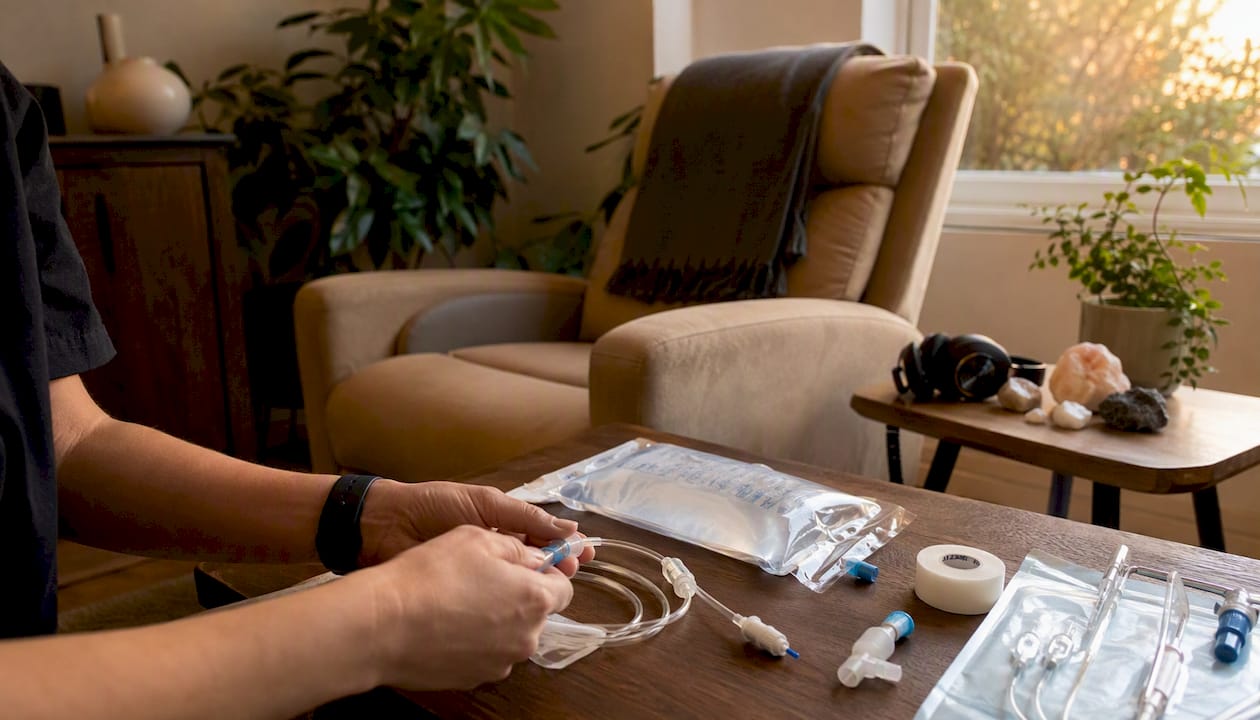
The most common protocol for intravenous ketamine involves a series of six infusions delivered over two to three weeks. This approach reflects a key clinical reality: a single infusion produces short-lived results. Relapse typically occurs within 2 weeks after a single dose, which is why repeated dosing is standard practice for sustained benefit.
Beyond intravenous infusions, several administration routes exist:
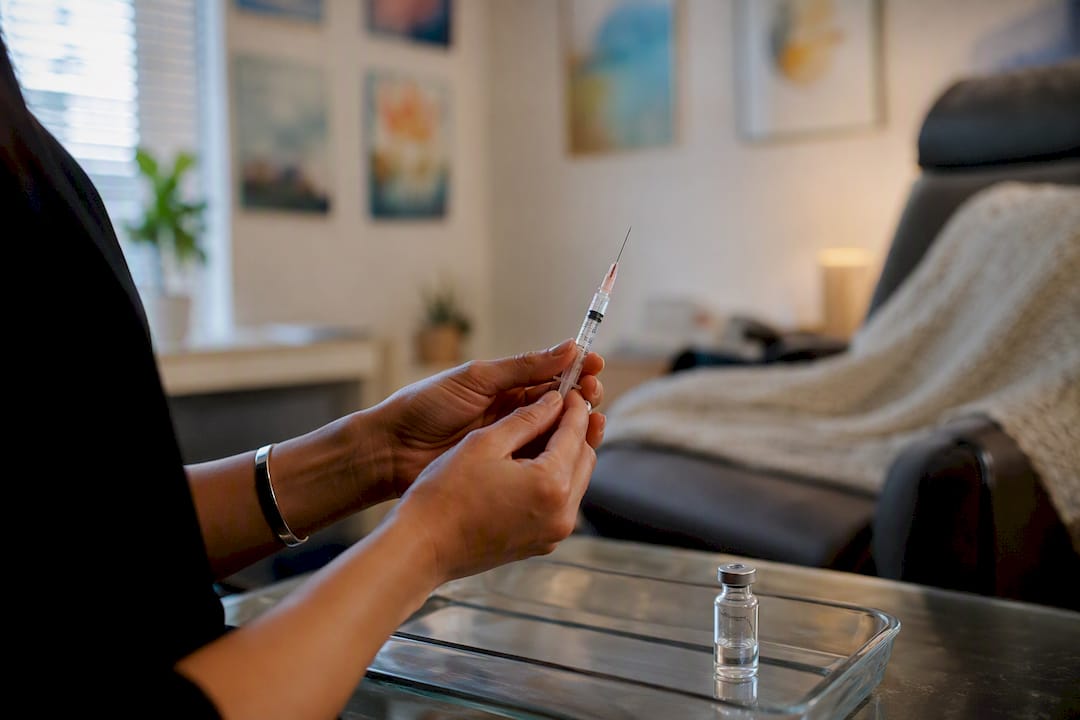
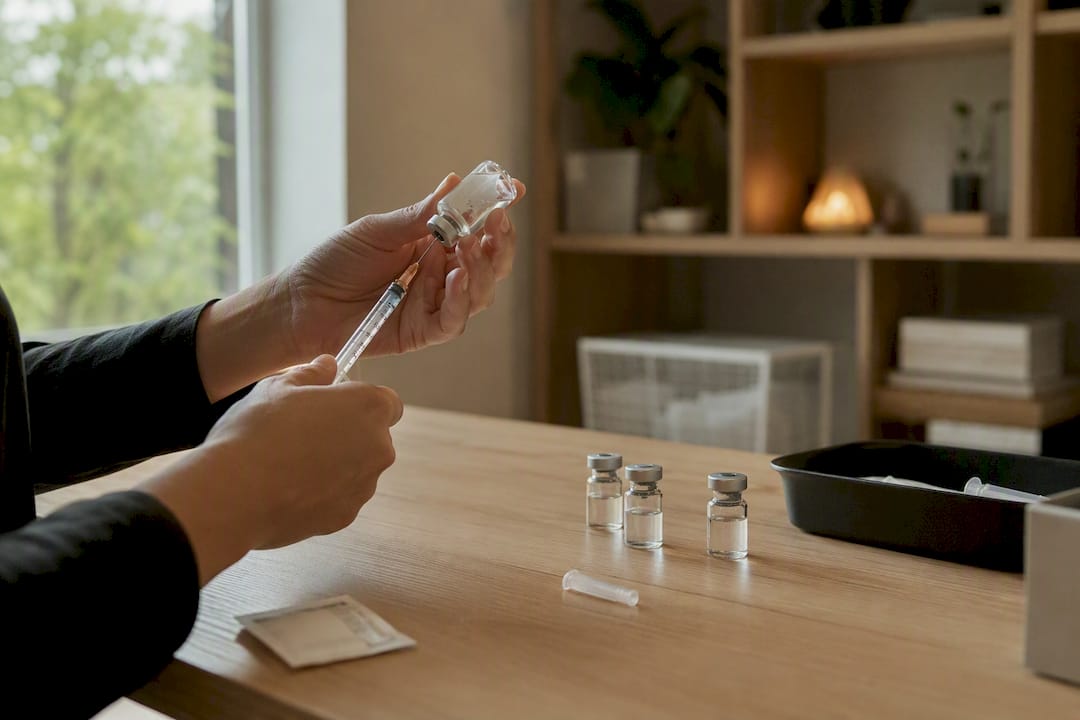
- Intravenous (IV) infusion: The most studied method, offering precise dosing and rapid onset. Typically administered in a clinical setting with medical supervision.
- Intranasal esketamine (Spravato): FDA-approved and self-administered under clinical supervision. Convenient but may have slightly different pharmacokinetics than IV ketamine.
- Sublingual ketamine: Taken as a lozenge or troche, often used in outpatient or home settings. Less studied but increasingly available.
- Intramuscular injection: Used in some clinical settings, with a faster onset than sublingual but less precise than IV dosing.
Ketamine-assisted psychotherapy, or KAP, represents the most integrated approach. KAP combines the neuroplasticity window that ketamine opens with structured psychological support. The idea is that the brain’s increased receptivity during and after ketamine creates an opportunity for deeper therapeutic work. Some studies report sustained benefits up to 6 months post-treatment with KAP, though controlled trial results remain mixed. You can learn more about how KAP integrates with therapy for sustained recovery.
Cost is a real barrier. IV ketamine infusions are not consistently covered by insurance, and a full series can run into thousands of dollars out of pocket. Spravato has better insurance coverage given its FDA approval. This financial reality shapes who can access treatment and underscores the need for broader coverage policies.
Pro Tip: Before committing to a ketamine protocol, ask your provider whether they offer integration sessions, meaning therapy appointments scheduled around your infusions. The neuroplasticity window that ketamine opens is most useful when you have psychological support to work within it.
Who should consider ketamine treatment?
Ketamine is best suited for people with treatment-resistant depression, meaning those who have not responded adequately to at least two antidepressant medications at therapeutic doses. It is also a serious option for people experiencing active suicidal ideation, given its documented ability to reduce that risk within 24 hours.
Practical steps to consider before starting ketamine therapy:
- Get a thorough psychiatric evaluation. Ketamine is not appropriate for everyone. Conditions like active psychosis, uncontrolled hypertension, or a history of substance use disorder may affect candidacy.
- Review your medication history with your provider. Document every antidepressant you have tried, the doses, and the duration. This history defines your treatment-resistant status and guides dosing decisions.
- Ask about the setting and supervision. Safe ketamine treatment happens in a medically supervised environment. Understand who will be present during infusions and what monitoring occurs.
- Discuss maintenance needs upfront. Ask your provider what happens after the initial series. Maintenance infusions, oral medications, or psychotherapy may be part of the ongoing plan.
- Prepare for the experience itself. Ketamine produces dissociative effects during infusion. Knowing what to expect reduces anxiety and helps you engage with the process rather than resist it. A first-timer’s guide to ketamine therapy can help you prepare practically and emotionally.
Side effects are real but manageable. Dissociation, dizziness, and mild nausea are common during infusion and typically resolve within an hour. Long-term risks, including potential for dependence with frequent use, require honest conversation with your provider. Medical supervision is not optional. It is the foundation of safe treatment.
Key Takeaways
Ketamine is the most rapidly acting antidepressant available today, producing measurable symptom relief within hours and remission rates of 42%–51% in treatment-resistant depression with repeated infusions.
| Point | Details |
|---|---|
| Rapid onset of relief | Ketamine reduces depressive symptoms within 4 hours, far faster than any standard antidepressant. |
| Remission rates in TRD | Repeated infusions achieve 42%–51% remission in treatment-resistant depression patients. |
| Suicidal ideation reduction | A single infusion can lower suicidal ideation within 24 hours, with effects lasting up to one month. |
| Repeated dosing is necessary | Single infusion effects relapse within 2 weeks; a series of infusions is standard for sustained benefit. |
| KAP extends benefits | Ketamine-assisted psychotherapy may sustain improvements up to 6 months by combining neuroplasticity with psychological support. |
Ketamine’s place in depression care: my honest assessment
I have spent years watching people cycle through antidepressant after antidepressant, each one carrying hope and then disappointment. What strikes me most about ketamine is not just the speed. It is the fact that it works through a completely different door. When the serotonin pathway is blocked, glutamate offers another way in.
That said, I want to be direct about something most articles gloss over. Ketamine is not a cure. It is a powerful tool that creates a window, and what you do with that window matters enormously. The patients I have seen sustain the most meaningful change are those who pair ketamine with real psychological work. The neuroplasticity that ketamine triggers is an opportunity. Therapy, reflection, and support are how you use it.
The long-term research gaps are real and worth acknowledging. We do not yet have robust data on what happens to patients five or ten years into a ketamine maintenance protocol. That uncertainty should not stop someone in acute crisis from accessing this treatment. But it should keep providers and patients honest about the need for ongoing evaluation and adjustment.
What gives me genuine hope is the direction of the science. The AMPA receptor findings point toward a future where we can identify who will respond to ketamine before the first infusion, and where we can design therapies that target the same mechanism with even greater precision. We are not there yet. But the path is clearer than it has ever been. If you are considering ketamine, go in with open eyes, a good clinical team, and a plan for what comes after the infusion room.
— Kabir
Ketamine therapy programs at Mystic
Mystic offers integrative mental health programs that include ketamine-assisted psychotherapy, Spravato, and personalized treatment plans built around your specific history and needs. The approach combines the neurobiological benefits of ketamine with psychological support, so the relief you feel during treatment has a real foundation to build on.
Mystic’s clinical team works with you to assess candidacy, design a protocol, and provide integration support throughout your care. Insurance compatibility and financing options are available to make access more realistic. If you are ready to learn what a personalized ketamine program could look like for you, Mystic is a good place to start that conversation.
FAQ
Why use ketamine for depression instead of standard antidepressants?
Ketamine works through the glutamate system rather than serotonin, producing symptom relief within hours rather than weeks. It is particularly valuable for treatment-resistant depression, where standard medications have already failed.
How quickly does ketamine reduce depressive symptoms?
Ketamine reduces depressive symptoms within 4 hours of infusion, with effects lasting up to one week after a single dose. Repeated infusions extend and deepen that relief.
Is ketamine effective for suicidal ideation?
A single intravenous ketamine infusion can reduce suicidal ideation within 24 hours, with effects persisting up to one month. This makes it one of the fastest-acting interventions available for acute suicidality.
What is ketamine-assisted psychotherapy?
Ketamine-assisted psychotherapy combines ketamine infusions with structured therapy sessions to extend the treatment’s benefits. Some studies report sustained improvements up to 6 months post-treatment with this integrated approach.
What are the most common side effects of ketamine treatment?
The most common side effects include dissociation, mild nausea, and headache during or shortly after infusion. These effects are transient and typically resolve within an hour under medical supervision.
Recommended

Mystic Health Blog





FAQs
1. Am I eligible for ketamine therapy?
2. Does insurance cover the cost of ketamine therapy?
3. How many ketamine treatments will I need?
We recommend two initial treatments to determine suitability and adjust dosage. After these sessions, additional treatments are available based on your progress and specific requirements.