Psychedelic Harm Reduction: a Practical Safety Guide
TL;DR:
- Psychedelic harm reduction involves strategies to minimize risks and promote positive outcomes during and after use.
- It emphasizes preparation, environment, substance verification, and post-experience integration as key components toward safety.
Psychedelic harm reduction is defined as the set of strategies and support systems designed to minimize risks and enhance positive outcomes during and after psychedelic substance use. The field draws from both community wisdom and clinical research, recognizing that people use psychedelics regardless of legal status. Rather than demanding abstinence, harm reduction programs provide non-coercive, dignity-affirming support that helps prevent serious harm in unpredictable illicit markets. Understanding what is psychedelic harm reduction gives you real tools to make informed, safer choices. This guide covers the core practices, the clinical and community frameworks, and the psychological factors that shape every experience.
What is psychedelic harm reduction in practice?
Psychedelic harm reduction is a proactive safety framework, not a reactive emergency plan. It covers everything you do before, during, and after an experience to reduce the chance of physical or psychological harm. The goal is not to eliminate risk entirely. The goal is to make risk manageable and outcomes more predictable.
The framework rests on three phases: preparation, the experience itself, and integration afterward. Each phase carries its own set of psychedelic safety tips that compound in effectiveness when used together.
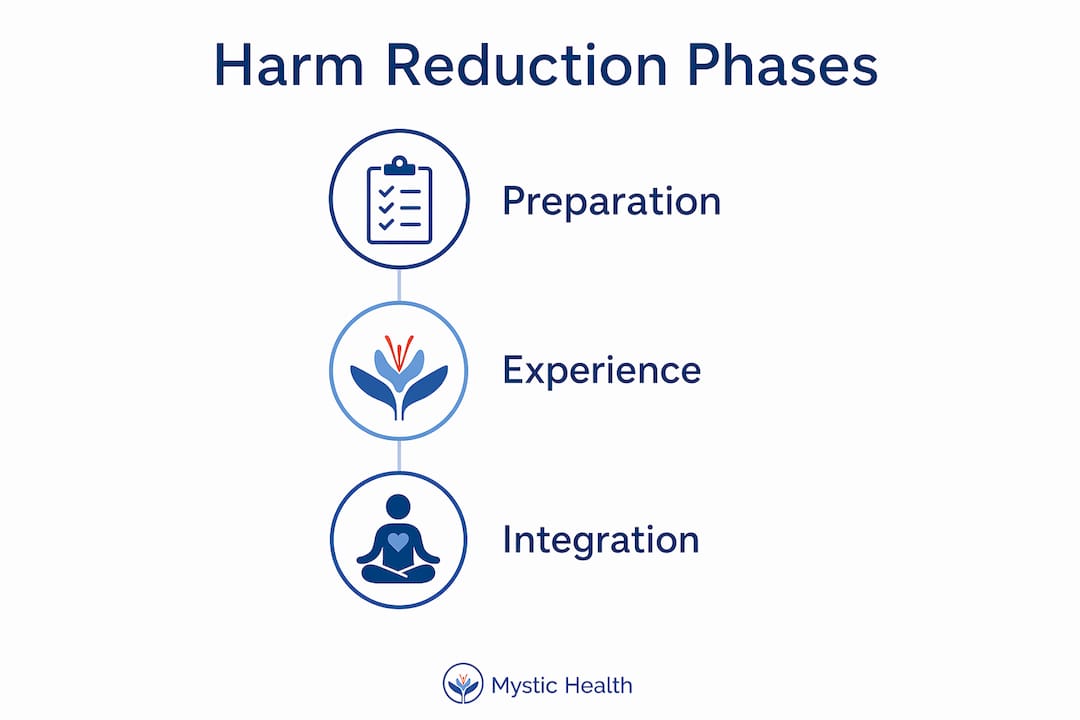
Preparation: the foundation of safer use
Preparation is where most harm is either prevented or set in motion. Starting with low doses and increasing incrementally is one of the most widely endorsed harm reduction strategies in the psychedelic community. Rushing to a high dose without knowing how your body responds is one of the most common mistakes people make.

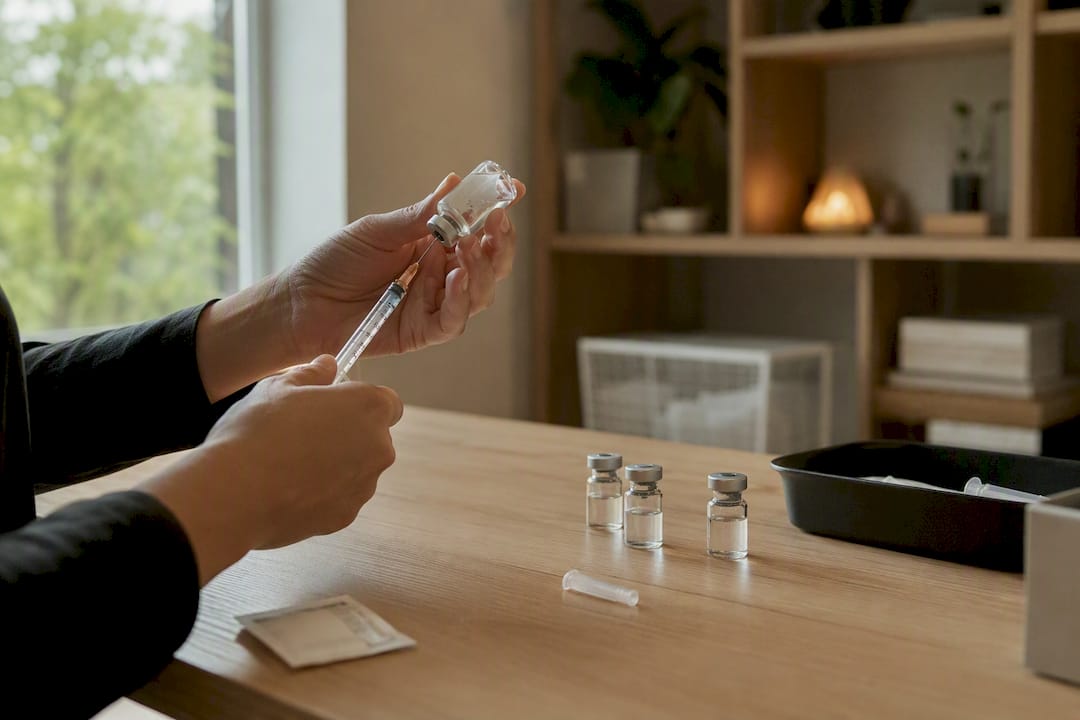
Substance verification matters just as much as dosing. Drug checking methods like the Ehrlich reagent test can confirm whether a substance is what it claims to be. Reagent testing and safe sourcing reduce the risk of consuming misidentified or adulterated substances, which is a serious and underappreciated danger.
Key preparation steps include:
- Verify the substance using a reagent test kit before use
- Start with a low dose and wait the full onset time before considering more
- Avoid alcohol and stimulants in the days before and during the experience
- Check your medications for dangerous interactions, especially SSRIs, lithium, and tramadol
- Set a clear intention for what you hope to process or understand
- Choose your environment deliberately, favoring familiar, calm, and private spaces
Pro Tip: Write your intention down before the experience. A single sentence stating what you want to explore gives you an anchor if the experience becomes disorienting.
Integration: making the experience last
Integration is the work that happens after the experience ends. Practices like journaling, meditation, and creative expression help you process what arose and retain insight over time. Without integration, even a profound experience can fade or leave unresolved emotional material. Mystic’s mindfulness support program is specifically designed to complement this phase of psychedelic-assisted healing.
How does psychedelic harm reduction differ between community and clinical contexts?
The answer depends on who is providing the support and in what setting. Community-based harm reduction and clinical harm reduction share the same core values but operate under very different rules and constraints.
Community-based harm reduction
Community practices rely on peer education, shared experience, and informal trip sitters. These networks pass down practical knowledge about dosing, setting, and substance combinations through direct conversation and online resources. The strength of this model is accessibility. The limitation is inconsistency, since the quality of guidance varies widely depending on the source.
Clinical harm reduction
Clinical harm reduction is a support-based, non-prescriptive framework that helps people prepare for and integrate psychedelic experiences without clinicians facilitating or recommending substance use. This distinction matters legally and ethically. Therapists operating within this model:
- Provide education about risks and safer use practices
- Discuss legal therapeutic alternatives where available
- Support informed decision making without directing substance choices
- Offer integration support after an experience has occurred
- Refer to appropriate medical care when safety concerns arise
“The transition from abstinence-only approaches to compassionate, non-judgmental support increases engagement with care without raising rates of substance use. Clinical harm reduction respects autonomy while keeping the door open for people who need professional help.”
This shift in clinical culture is significant. Therapists who engage compassionately with people who use psychedelics, rather than refusing to discuss the topic, improve outcomes and encourage people to seek help when things go wrong. The patient consultation workflow at Mystic reflects this model, building safety into every step of the clinical relationship.
What psychological and environmental factors impact psychedelic safety?
“Set and setting” is the most cited concept in psychedelic safety, and for good reason. Set refers to your mindset, emotional state, and intentions going into the experience. Setting refers to the physical, social, and emotional environment around you. Both shape the experience more than the substance dose alone.
Experienced users and practitioners consistently report that setting is the single most effective harm reduction factor, surpassing physical tools or testing kits. A trusted, calm environment with people you feel safe around creates the conditions for a positive experience. A chaotic or unfamiliar environment increases the risk of anxiety, paranoia, and lasting distress.
Key psychological and environmental factors to address:
- Emotional readiness: Do not use psychedelics during acute grief, crisis, or severe mental health episodes
- Psychiatric history: A personal or family history of psychosis, schizophrenia, or bipolar disorder significantly raises risk
- Trip sitter presence: Emotional support from a sober companion is the most commonly identified harm reduction strategy across reviewed studies
- Physical environment: Choose a space that is private, comfortable, and free from unexpected interruptions
- Managing difficult moments: Grounding techniques like slow breathing, changing rooms, or lying down with eyes closed can help when an experience becomes overwhelming
Pro Tip: If the experience becomes frightening, remind yourself that the feeling is temporary and substance-induced. Saying “this will pass” out loud can interrupt a spiral of fear and bring you back to your body.
Understanding psychedelic safety means accepting that the mind brings its own material to every experience. Unresolved trauma, suppressed grief, or deep anxiety can surface powerfully. That is not always a bad thing. But it does require preparation and support to navigate well. Mystic’s guide on safety in psychedelic therapy covers this in detail for those considering a clinical setting.
What are common pitfalls and essential safety warnings?
The most dangerous mistakes in psychedelic use are predictable. Knowing them in advance is the clearest form of harm reduction available.
Substance misidentification is a leading cause of serious harm. NBOMe compounds, for example, are sometimes sold as LSD but carry a much higher risk of toxicity and death. Reagent testing and public health guidance both emphasize that no substance should be consumed without verification.
Dangerous drug interactions are equally serious. Combining psychedelics with lithium or tramadol can cause seizures. Combining them with stimulants raises cardiovascular risk. SSRIs reduce the psychedelic effect, which leads some people to take a higher dose. Increasing dose to overcome SSRI blunting raises physical risks without guaranteeing a stronger psychological experience. Medical consultation before combining any medications with psychedelics is non-negotiable.
| Risk category | What it looks like | Safer approach |
|---|---|---|
| Substance misidentification | Buying LSD that is actually NBOMe | Use Ehrlich reagent test before any use |
| Dangerous drug interactions | Mixing psychedelics with lithium or tramadol | Consult a clinician about all current medications |
| Dose escalation errors | Taking more because SSRIs blunt the effect | Seek medical advice before adjusting dose |
| Poor setting | Using in a crowded, unfamiliar, or chaotic space | Choose a private, calm, familiar environment |
| No integration plan | Experience fades with no lasting benefit | Schedule journaling or support sessions afterward |
Pro Tip: Tell at least one trusted person what you are doing and where you are, even if they are not present. Having someone available by phone who knows the situation can be the difference between a manageable challenge and a medical emergency.
Psychological risks deserve equal attention. A difficult experience does not automatically cause lasting harm, but one without support or context can. Knowing when to seek medical help matters. Signs that require emergency care include sustained confusion lasting beyond the expected duration, chest pain, seizures, or complete loss of contact with reality that does not resolve.
Key takeaways
Psychedelic harm reduction is a proactive, skill-based framework that combines preparation, environmental design, sober support, substance verification, and post-experience integration to reduce risk and improve outcomes.
| Point | Details |
|---|---|
| Preparation is the highest-leverage phase | Verifying substances, setting intentions, and checking medications prevents most serious harms before they occur. |
| Setting outweighs dose in shaping outcomes | A trusted, calm environment with a sober companion reduces anxiety and adverse experiences more than any physical tool. |
| Clinical and community models complement each other | Peer education and clinical support serve different needs but share the same core values of autonomy and safety. |
| Drug interactions are underestimated | Combinations with lithium, tramadol, or stimulants carry serious physical risks that require medical consultation. |
| Integration sustains the benefit | Journaling, mindfulness, and community engagement after an experience prevent insight from fading and reduce psychological harm. |
Setting is everything: what I’ve learned about harm reduction in real life
I’ve spent years working alongside people navigating psychedelic experiences, and the single thing that surprises most of them is how little the substance itself determines the outcome. The setting does. Not in a vague, philosophical sense. In a concrete, observable way. People in warm, familiar spaces with someone they trust tend to move through difficult material and come out with something real. People in chaotic or unfamiliar environments, even with the same substance and dose, often struggle without gaining anything from it.
Harm reduction is not a checklist you complete once. It is a skill that deepens over time, the way any practice deepens with experience and honest reflection. First-time users focus on the basics. Experienced people build more nuanced habits around emotional readiness, integration, and knowing their own patterns. That evolution is the point.
The stigma around this topic still keeps people from asking for help when they need it. That frustrates me. Someone who had a frightening experience deserves support, not judgment. The cultural shift toward compassionate, non-judgmental care is real and it is saving people from suffering alone. But it is slow, and in the meantime, education is the most protective thing we can offer.
My honest advice: treat harm reduction as an ongoing relationship with your own safety, not a box to check. Respect the risk. Prepare seriously. And do not skip integration. The experience is only the beginning of the work.
— Kabir
How Mystic supports safer psychedelic experiences
Mystic Health offers integrative psychedelic medicine programs that align directly with harm reduction principles. The clinical team supports preparation, informed decision making, and post-experience integration within safe, legal frameworks. Whether you are considering ketamine-assisted psychotherapy, Spravato, or other evidence-based modalities, Mystic builds safety into every stage of care. The integrative mental health services include personalized treatment planning, mindfulness support, and professional guidance from clinicians who understand both the promise and the real risks of psychedelic medicine. If you are ready to explore what supported, clinically grounded care looks like, Mystic is a place to start that conversation.
FAQ
What is psychedelic harm reduction?
Psychedelic harm reduction is a proactive framework of strategies designed to minimize physical and psychological risks while enhancing positive outcomes during and after psychedelic substance use. It includes preparation, environmental planning, substance verification, and post-experience integration.
What is the most effective harm reduction strategy during a psychedelic experience?
Having a trusted, sober companion present is the most consistently identified harm reduction strategy across reviewed studies. Emotional support during the experience reduces anxiety, paranoia, and the risk of lasting psychological distress.
Is it safe to use psychedelics while taking SSRIs or other medications?
Combining psychedelics with SSRIs, lithium, or tramadol carries serious risks including reduced effects, serotonin syndrome, and seizures. Medical consultation before any combination is strongly recommended, and increasing dose to overcome blunted effects raises physical risk without guaranteeing benefit.
What does integration mean in psychedelic harm reduction?
Integration refers to the practices used after a psychedelic experience to process what arose and sustain insight over time. Journaling, meditation, creative expression, and community support are the most commonly used integration tools.
How do I find safe clinical support for psychedelic use?
Look for clinicians trained in psychedelic harm reduction who offer non-prescriptive, education-based support and post-experience integration. Mystic’s guide on finding safe psychedelic therapists outlines what to look for in a qualified provider.
Recommended

Mystic Health Blog




FAQs
1. Am I eligible for ketamine therapy?
2. Does insurance cover the cost of ketamine therapy?
3. How many ketamine treatments will I need?
We recommend two initial treatments to determine suitability and adjust dosage. After these sessions, additional treatments are available based on your progress and specific requirements.