Caregiver Workflow for End-of-Life Support: A Practical Guide
TL;DR:
- A caregiver workflow covers symptom monitoring, personal care, communication, and emotional support to ensure compassionate end-of-life care at home. Building a structured, adaptable system helps prevent burnout, improve communication, and protect patient dignity during emotionally intense moments. Caregivers should prepare essential documents, report observations precisely, and seek support early to maintain their well-being and deliver effective care.
A caregiver workflow for end-of-life support is a coordinated approach that combines symptom monitoring, personal care, emotional connection, and clear communication to ensure compassionate, effective care at home. This kind of structured approach matters because it reduces the cognitive load on caregivers during some of the most emotionally intense moments of their lives. Without a clear framework, even the most devoted family caregiver can miss critical medication windows, struggle to communicate with hospice teams, or simply burn out. The good news is that building a practical workflow is achievable. Resources like the National Caregiver Help Desk offer personalized coaching and navigation support during extended business hours, so you are never doing this entirely alone.
What does a caregiver workflow for end-of-life support include?
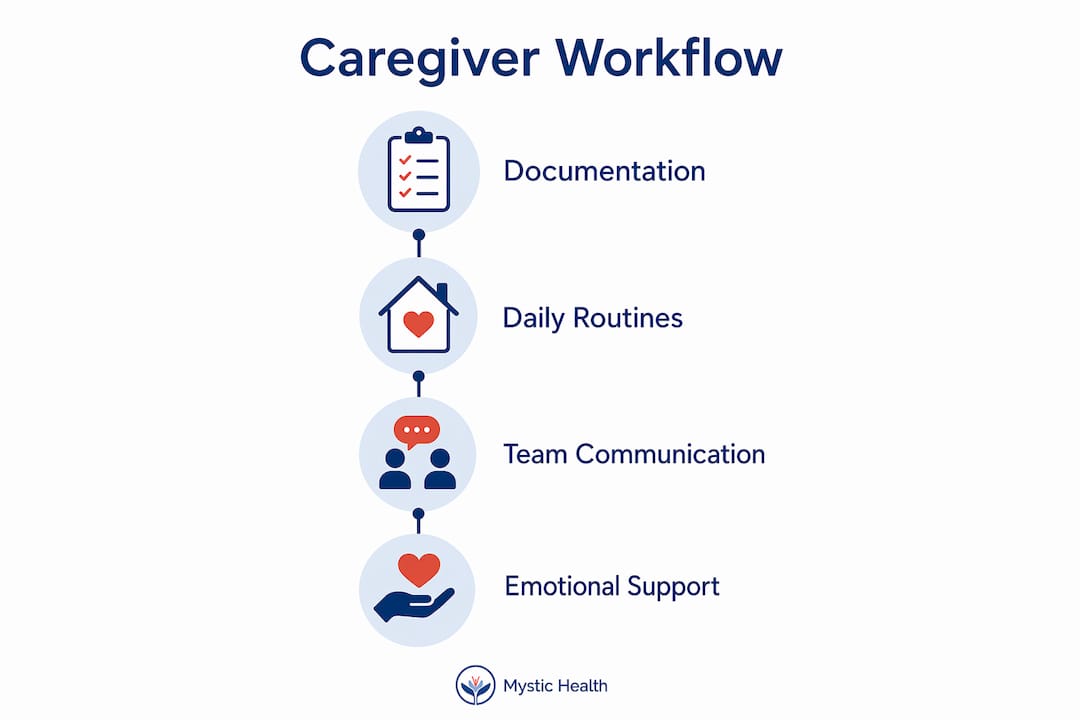
A structured end-of-life caregiver workflow covers four core areas: documentation, daily routines, team communication, and emotional care. Think of it as a living system, not a rigid checklist. It adapts as your loved one’s condition changes, and it keeps everyone on the same page when decisions need to be made quickly.
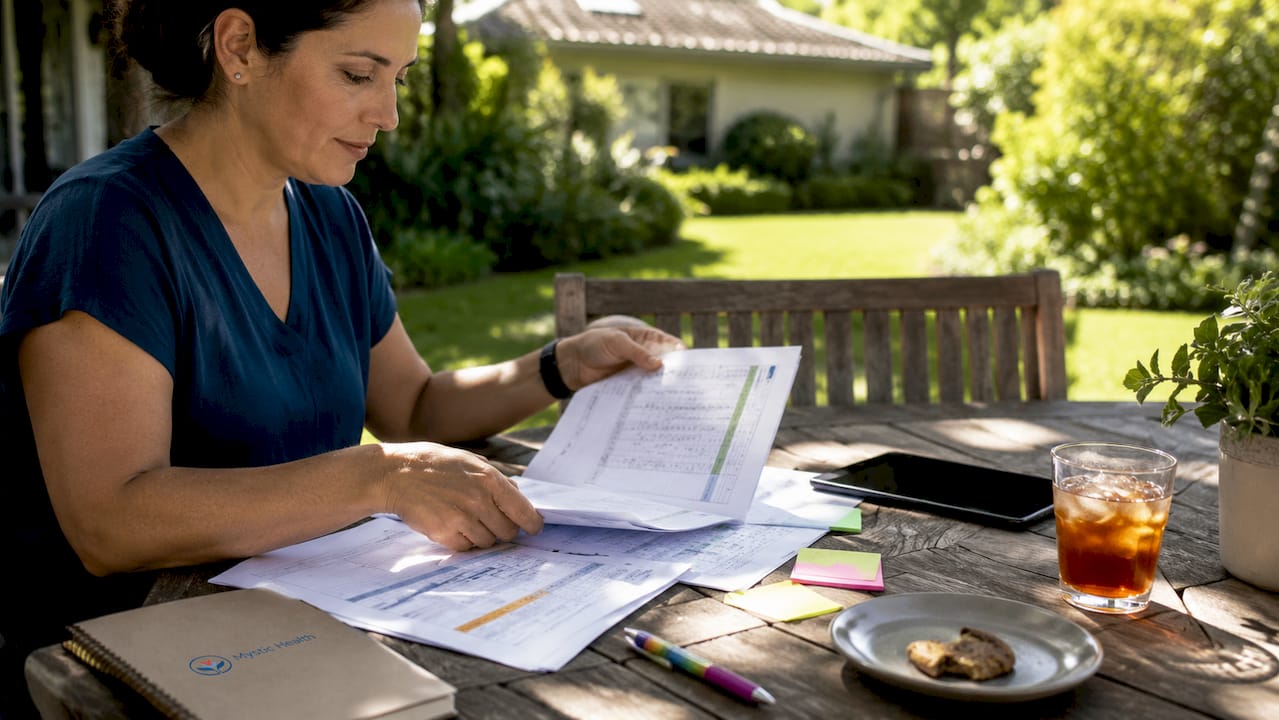
The palliative care workflow used by interdisciplinary teams follows a similar logic. Caregivers at home are, in effect, the frontline of that same system. Your observations, your records, and your presence directly shape the quality of care your loved one receives.
Essential tools and documents to prepare
Before the daily routine begins, you need the right tools in place. A well-prepared caregiver has these ready:
- Symptom tracking sheet: A simple daily log for pain levels, appetite, mood, and sleep. This does not need to be elaborate. A printed one-page form works well.
- Quick-view emergency info sheet: One page listing the patient’s medications, allergies, hospice nurse contact, primary physician, and advance directives. Keep it visible, not buried in a binder.
- Medication log: A written or app-based record of every dose given, including time and any observed reactions.
- Advance directives and medical documents: Copies of the healthcare proxy, do-not-resuscitate order if applicable, and insurance information.
- Family contact list: Names, roles, and phone numbers for everyone involved in care decisions.
A two-part daily schedule that separates urgent clinical information from personal comfort preferences reduces cognitive load during crises. That separation is practical wisdom. When something goes wrong at 2 a.m., you do not want to search through pages of notes to find the hospice nurse’s number.
| Tool | Category | Purpose |
|---|---|---|
| Symptom tracking sheet | Documentation | Daily pain, mood, and appetite records |
| Quick-view emergency sheet | Communication | Fast access to critical contacts and directives |
| Medication log | Clinical | Dose timing and reaction tracking |
| Advance directives | Legal/medical | Decision-making authority and care preferences |
| Family contact list | Coordination | Role clarity and communication flow |
Pro Tip: Laminate your quick-view emergency sheet and post it near the patient’s bed. In a crisis, seconds matter, and a visible sheet prevents panic-driven mistakes.
How to organize the daily caregiving routine
A structured daily routine protects both the patient and the caregiver. It creates predictability, which reduces anxiety for everyone in the home.
A practical daily sequence
- Morning medication and symptom check. Administer scheduled medications with water or food as directed. Note pain level, breathing quality, and overnight changes in your symptom log.
- Personal care. Mouth care, gentle repositioning, and skin checks come next. Soft comfort care tasks like mouth care and repositioning often improve patient comfort more than complex medical equipment. This is not a small thing. These acts of physical care communicate dignity and love.
- Hydration and nutrition. Offer fluids and small amounts of food based on the patient’s current capacity. Appetite often decreases significantly near end of life. Follow hospice guidance on when to stop encouraging eating.
- Emotional and relational time. Read aloud, play familiar music, or simply sit in quiet companionship. Integrating moments of non-medical connection like music or reading is as vital as medication management for patient dignity and caregiver fulfillment.
- Afternoon symptom check and documentation. Update your log with any changes. Note anything to report to the hospice nurse during the next check-in call.
- Evening personal care and medication. Repeat morning care tasks. Adjust lighting and sound to support rest. Dim, warm light and low noise help signal the body toward sleep.
- Caregiver self-check. Before you sleep, take five minutes to note your own stress level and any concerns for the next day. This is not optional. It is part of the workflow.
Pro Tip: Build flexibility into the schedule by marking two or three tasks as “adjustable.” When symptoms change, you will not feel like the whole day has collapsed. You will simply shift those tasks.
Caregivers who follow end-of-life care steps consistently report that the routine itself becomes a source of comfort. Not just for the patient, but for the caregiver too.
How can caregivers communicate effectively with healthcare teams and family?
Caregivers act as the eyes and ears of the care team by recording daily observations on pain, appetite, and mood to aid care plan adjustments. That role is more significant than most caregivers realize. The hospice physician, nurse, pharmacist, social worker, and spiritual counselor all depend on your reports to make real-time decisions.
Effective communication in this context follows a few clear principles:
- Report changes promptly. Do not wait for the scheduled call if something shifts significantly. Pain that jumps from a 3 to a 7 overnight warrants an immediate call.
- Use specific language. “She seemed uncomfortable” is less useful than “She grimaced when repositioned and rated pain at 6 out of 10.”
- Identify one primary family decision-maker. Pre-crisis delegation of the primary decision-maker role in written directives is critical to avoiding family conflicts as patient communication wanes. This conversation is hard. Have it early.
- Use a shared update method. A group text thread, a shared notes app, or a brief daily email keeps family members informed without requiring you to repeat yourself five times.
- Invite social workers into family conflict early. Transparent family communication and early mediation from social workers or chaplains prevent burnout and conflict. Do not wait for a crisis to ask for help.
The role of caregivers in palliative care extends well beyond physical tasks. You are also the emotional anchor for your family. That is a lot to carry, which is exactly why clear communication structures exist to share the weight.
What emotional support techniques help caregivers and patients?
Caregiver burnout, sometimes called caregiver syndrome, is a real and recognized condition. It builds slowly through accumulated stress, sleep deprivation, and grief. Recognizing it early is the first step toward addressing it.
These practices support both patient dignity and caregiver well-being:
- Calm, sensory comfort for the patient. Familiar music, soft lighting, gentle touch, and reading aloud all create a sense of safety. These are not extras. They are care.
- Caregiver support groups. Connecting with others who understand the experience reduces isolation. Many hospice organizations offer free weekly groups, both in person and online.
- Professional counseling. A therapist familiar with grief and caregiver stress can provide tools that friends and family simply cannot. This is not a sign of weakness. It is a sign of self-awareness.
- Access the National Caregiver Help Desk. Personalized coaching and resource navigation are available by phone and online chat during extended business hours. You do not have to figure out every resource on your own.
- Honor spiritual and cultural needs. Whether that means prayer, ritual, music from a specific tradition, or simply silence, these practices matter deeply to patients and families alike.
“Emotional support activities and a calm routine contribute significantly to the dignity of patients and reduce caregiver stress.”
The emotional support strategies that work best are the ones you can actually sustain. Start small. Five minutes of intentional stillness each morning is more valuable than an elaborate self-care plan you abandon after three days.
Key Takeaways
A structured caregiver workflow for end-of-life support, built around documentation, daily routines, clear communication, and emotional care, is the most reliable way to protect both patient dignity and caregiver well-being.
| Point | Details |
|---|---|
| Prepare core documents first | Gather advance directives, medication logs, and emergency contacts before the daily routine begins. |
| Separate urgent from comfort info | Keep clinical emergency data on one sheet and personal preferences on another for faster crisis response. |
| Delegate the decision-maker role early | Identify one primary family decision-maker in writing before patient communication declines. |
| Report observations in specific language | Use numbers and descriptive details when updating hospice teams to enable real-time care adjustments. |
| Protect caregiver well-being actively | Schedule self-care and access support resources like the National Caregiver Help Desk before burnout sets in. |
What I have learned from watching caregivers do this work
I have spent years working alongside families navigating end-of-life care, and the pattern I see most often surprises people. The caregivers who struggle most are not the ones who lack love or commitment. They are the ones who never built a structure to hold all of that love.
The families who do best are the ones who treat the workflow like a living document. They update it when symptoms change. They call the social worker before the conflict explodes. They ask for help before they are running on empty. That sounds simple, but it goes against every instinct that tells you to push through alone.
The hardest part, in my experience, is the space between clinical tasks and emotional presence. You can give a medication perfectly and still miss the moment your loved one needs you to just sit quietly and hold their hand. The workflow is not there to replace that presence. It is there to protect the space for it.
If you are in this right now, I want you to know that building structure around something this painful is not cold or clinical. It is one of the most loving things you can do. It means you are showing up, not just with your heart, but with your whole self.
— Kabir
How Mystic supports caregivers through palliative care
Caregiving at the end of life asks more of you than most people expect. Mystic Health’s integrative palliative care programs are built for exactly this kind of complexity. They combine symptom-focused medical support with emotional and psychological care for both patients and the people caring for them.
Mystic’s care programs include multidisciplinary coordination, mental health support, and access to integrative therapies that address the grief, stress, and spiritual weight caregivers carry. Whether you are looking for guidance on managing a loved one’s symptoms or need support for your own mental health during this time, Mystic Health offers a path forward that honors the full human experience of this work. Reach out to schedule a consultation and find out what support is available to you.
FAQ
What is a caregiver workflow for end-of-life support?
A caregiver workflow for end-of-life support is a structured daily system that combines symptom monitoring, personal care tasks, medication management, and communication with hospice teams to provide consistent, compassionate care at home.
What documents should a caregiver prepare for end-of-life care?
Caregivers should prepare advance directives, a medication log, a quick-view emergency contact sheet, and copies of the healthcare proxy and insurance information before care begins.
How do caregivers communicate effectively with hospice teams?
Caregivers report daily observations on pain, appetite, and mood using specific, measurable language, and escalate significant changes immediately rather than waiting for scheduled check-ins.
How can caregivers prevent burnout during end-of-life care?
Caregivers reduce burnout by building self-care into the daily schedule, joining support groups, accessing professional counseling, and using resources like the National Caregiver Help Desk for personalized guidance.
When should families identify a primary decision-maker?
Families should identify and document a primary decision-maker in writing early in the care process, before the patient’s ability to communicate declines, to prevent conflict and delays during critical moments.
Recommended

Mystic Health Blog






FAQs
1. Am I eligible for ketamine therapy?
2. Does insurance cover the cost of ketamine therapy?
3. How many ketamine treatments will I need?
We recommend two initial treatments to determine suitability and adjust dosage. After these sessions, additional treatments are available based on your progress and specific requirements.