Ketamine for Chronic Pain: What the Evidence Shows
Ketamine can meaningfully reduce chronic pain for certain patients, but the honest answer is: it depends on your diagnosis, your history, and how treatment is delivered. The clearest evidence supports its use in neuropathic pain conditions, particularly complex regional pain syndrome (CRPS), where short-term analgesic relief is well-documented. A PMC systematic review found IV ketamine has the strongest evidence in neuropathic pain and CRPS for short-term analgesia, though trials remain small and heterogeneous. A 2023 evidence update confirmed short-term pain reduction in chronic non-cancer pain, while noting long-term efficacy stays unclear.
Here is what the research consistently shows:
- The ASRA, AAPM, and ASA consensus statements support cautious, monitored ketamine use for select neuropathic conditions, with anesthesia oversight recommended in many clinical settings.
- A meta-analysis of randomized controlled trials found pain reductions at 1, 2, 8, and 12 weeks in pooled data, though overall evidence quality was rated low.
- Common acute side effects commonly include dissociation, nausea, dizziness, and headache. Long-term risks such as bladder injury and liver toxicity have been reported mainly in cases of chronic high-dose or recreational use.
If you have been living with pain that has not responded to standard treatments, ketamine may be worth a serious conversation with a specialist. What follows is the clinical picture you need to have that conversation well.
Key Takeaways
Ketamine offers real but time-limited relief for select chronic pain conditions, and its safety and durability depend almost entirely on how, where, and for whom it is used.
| Point | Details |
|---|---|
| Best evidence by condition | CRPS and neuropathic pain have the strongest short-term evidence; fibromyalgia and diffuse pain show inconsistent results. |
| Realistic timeline | Pain reductions are documented at 1–12 weeks post-infusion; long-term benefit beyond 12 weeks remains unclear. |
| Main safety caveat | Acute dissociation, nausea, and cardiovascular effects are common; bladder and liver toxicity are linked to chronic high-dose use. |
| Evaluating a clinic | Ask about prescriber credentials, anesthesia oversight, emergency protocols, integration support, and maintenance planning. |
| Mystic’s approach | Mystic pairs supervised ketamine infusions and Spravato with integrated psychotherapy and follow-up care for safer, more durable outcomes. |
Table of Contents
- How does ketamine reduce chronic pain?
- Which chronic pain conditions respond best to ketamine?
- What do ketamine treatment protocols actually look like?
- What benefits can you realistically expect, and when?
- What are the risks and side effects you should know about?
- Who is a good candidate for ketamine, and who should avoid it?
- Cost, insurance, and what to ask a ketamine clinic
- How strong is the evidence, really?
- How Mystic approaches ketamine for chronic pain
- What responsible ketamine use actually looks like
- Mystic Health offers supervised ketamine treatment and integrated care
- Sources
How does ketamine reduce chronic pain?
Ketamine’s primary mechanism is NMDA receptor antagonism. NMDA receptors sit at the center of a process called central sensitization, where the nervous system becomes abnormally amplified and keeps firing pain signals long after the original injury has healed. By blocking these receptors, ketamine interrupts that cycle, reducing the glutamatergic overactivation that drives persistent pain.
Think of it this way: NMDA blockade reduces central sensitization, which in turn alters pain memory and neural plasticity. The brain’s pain-processing circuits get a chance to reset, at least temporarily.
Beyond NMDA antagonism, ketamine affects several other systems that matter for analgesia and mood:
- Opioid receptor activity: Ketamine has weak affinity at mu, delta, and kappa opioid receptors, which may contribute to its analgesic effect independent of NMDA blockade.
- Monoaminergic effects: It influences dopamine, serotonin, and norepinephrine pathways, which helps explain why some patients notice mood improvements alongside pain relief.
- Neuroplasticity: Ketamine promotes BDNF (brain-derived neurotrophic factor) release and activates mTOR signaling, supporting synaptic growth and potentially longer-lasting changes in pain processing.
One more distinction worth knowing: racemic ketamine (the standard IV formulation) contains both R- and S-enantiomers. S-ketamine, sold as Spravato (esketamine) in nasal spray form, is roughly twice as potent at the NMDA receptor. Route matters too. IV administration has the highest and most predictable bioavailability, while oral bioavailability is relatively low and varies depending on the enantiomer, making dosing less reliable by mouth.
Which chronic pain conditions respond best to ketamine?
The evidence is not uniform across all pain types. Neuropathic pain conditions, especially those with central sensitization as a driving feature, show the clearest response. Diffuse pain syndromes are a different story.
Here is a condition-by-condition breakdown:
- CRPS (Complex Regional Pain Syndrome): Moderate evidence. Multiple RCTs show meaningful short-term pain reduction. Some trials report notable reductions in pain scores during or shortly after infusions, though durability varies considerably by study.
- Spinal cord injury pain: Limited but real signal. Short-term relief is documented; long-term benefit is not well-established.
- Phantom limb pain and postherpetic neuralgia (PHN): Some patients show dramatic short-term responses. Evidence base is small, and effect sizes are inconsistent across studies.
- Mixed neuropathic pain: Variable. Response depends heavily on the underlying mechanism and individual phenotype.
- Fibromyalgia, low-back pain, migraine: Weak or inconsistent evidence. Observational data suggest neuropathic phenotypes within these diagnoses may respond better, but fibromyalgia as a category shows unreliable results.
A note on evidence quality: Most trials in this space are small, use heterogeneous dosing protocols, and follow patients for only weeks to months. The PMC consensus review is direct about this: larger, standardized trials are needed before strong recommendations can be made for most conditions. Short-term relief is more consistently demonstrated than durable benefit.
The practical takeaway is that your diagnosis and pain phenotype, specifically whether your pain has neuropathic features, matters more than almost any other factor in predicting whether ketamine will help you.
What do ketamine treatment protocols actually look like?
IV subanesthetic infusions are the most studied approach, and the protocol you receive at a clinic will depend on your diagnosis, weight, cardiovascular status, and prior treatment history. Regimens vary widely, which is one reason why the clinic’s experience and oversight matter so much.
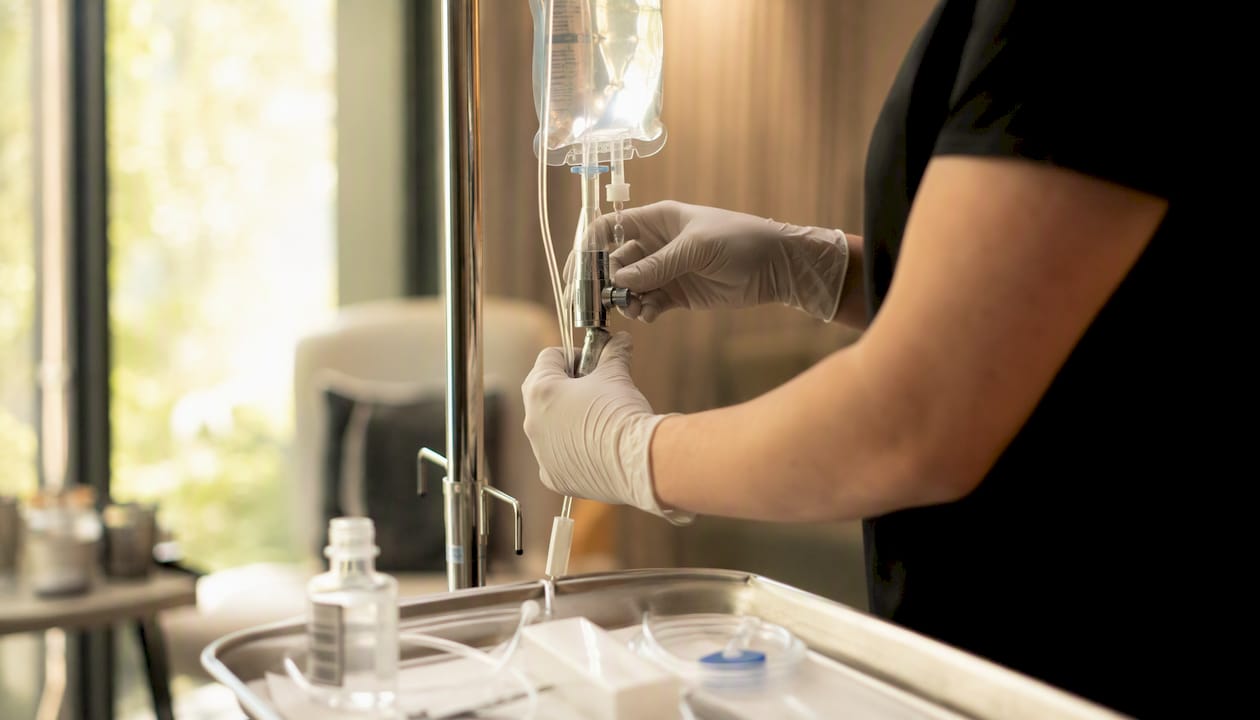
One well-known example of a structured clinical approach is the Cleveland Clinic’s low-dose IV ketamine protocol, which uses a multi-day continuous infusion regimen for refractory neuropathic pain and CRPS. This kind of program emphasizes careful patient selection, anesthesia oversight, and close monitoring throughout, and it illustrates what a rigorous institutional approach looks like compared to single-session outpatient models.
What to expect during an infusion visit:
- Pre-screening: medical history review, baseline vitals, psychiatric screen, medication reconciliation
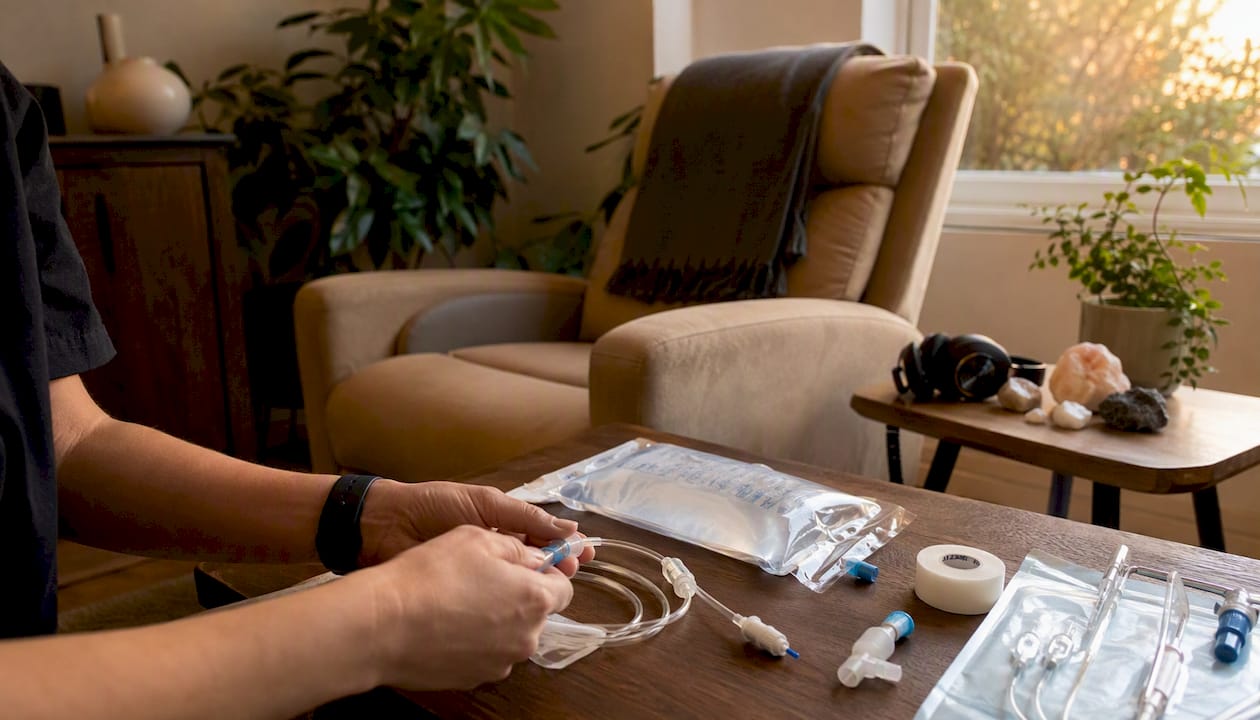
- Preparation: IV placement, a calm environment, often with music or guided relaxation to reduce anxiety during the dissociative phase
- During infusion: continuous monitoring of blood pressure, heart rate, and oxygen saturation; a clinician present throughout
- Recovery: 30–60 minutes of observation post-infusion before discharge
- Discharge instructions: no driving, no major decisions for the rest of the day, follow-up contact within 24–48 hours
What benefits can you realistically expect, and when?
Many patients experience rapid relief, sometimes within hours of the first infusion. But “rapid” does not mean “permanent,” and setting honest expectations before you start is part of responsible care.
Here is a realistic timeline:
- During and within hours of infusion: Many patients notice a reduction in pain intensity and, often, a shift in how distressing the pain feels emotionally. This dissociative window is part of the mechanism, not just a side effect.
- Days to 2 weeks post-infusion: Short-term analgesic effects tend to peak here. The meta-analysis found statistically significant pain reductions at 1 and 2 weeks in pooled RCT data.
- 2 to 12 weeks: Intermediate benefit. Some patients maintain meaningful relief; others see gradual return of pain. The same meta-analysis found continued reductions at 8 and 12 weeks, though effect sizes diminished.
- Beyond 12 weeks: Long-term durability is where the evidence gets thin. The 2023 update was explicit: long-term efficacy remains unclear. Maintenance infusions, integration therapy, and multimodal care appear to extend benefit for some patients, but this is not well-studied.
Repeated infusion courses and integrative strategies, including physical therapy, psychotherapy, and mindfulness, tend to produce better sustained outcomes than single-course treatment alone. Think of ketamine as opening a window of neuroplasticity. What you do during that window shapes how long the benefit lasts.
What are the risks and side effects you should know about?
Ketamine is not a gentle medication. Common acute effects are dose-related and usually short-lived, but long-term risks are real and deserve honest discussion before you commit to treatment.
Acute side effects (during or shortly after infusion):
- Dissociation and perceptual disturbances (very common at subanesthetic doses; part of the mechanism)
- Nausea and vomiting
- Dizziness and lightheadedness
- Elevated blood pressure and heart rate (transient, but clinically significant in vulnerable patients)
- Headache
- Anxiety or dysphoria during the dissociative state
Cochrane resources confirm that these acute effects are common, dose-dependent, and typically resolve within the recovery period.
Long-term and serious risks:
- Ketamine cystitis: Chronic heavy use is associated with severe bladder damage, including contracted bladder and urinary incontinence. This is primarily documented in recreational users consuming far higher doses than clinical protocols, but the risk is not zero in clinical settings.
- Hepatobiliary toxicity: Liver enzyme elevations and, in severe cases, biliary dilation have been reported with prolonged use.
- Addiction and misuse potential: Ketamine has real abuse potential. Patients with a personal or family history of substance use disorder require careful screening and closer monitoring.
- Psychomimetic effects: Repeated exposure can, in some individuals, produce persistent cognitive or perceptual changes.
Contraindications and red flags:
- Uncontrolled cardiovascular disease or hypertension
- Active or poorly controlled psychosis or mania
- Pregnancy
- Severe liver disease
- Active substance use disorder (especially stimulants or dissociatives)
Pro Tip: Before your first appointment, ask the clinic directly: “What is your protocol if I have a cardiovascular event during infusion?” and “How do you screen for substance-use risk?” A clinic that cannot answer those questions clearly is not ready to treat you safely.
Who is a good candidate for ketamine, and who should avoid it?
The best candidates are people with refractory neuropathic pain who have tried guideline-based therapies, including anticonvulsants, SNRIs, tricyclics, and physical therapy, without adequate relief, and who can be managed within a multidisciplinary care model.
Here is a practical screening checklist to work through before seeking a consult:
- Diagnosis fit: Does your pain have neuropathic features (burning, electric, allodynia, hyperalgesia)? Conditions like CRPS, spinal cord injury pain, PHN, and phantom limb pain have the clearest evidence base.
- Prior treatments tried: Have you completed adequate trials of first- and second-line neuropathic pain agents? Ketamine is an adjunct, not a first-line therapy.
- Psychiatric history: Do you have a history of psychosis, mania, or severe dissociative disorder? These are relative to absolute contraindications depending on severity.
- Cardiovascular and liver assessment: Recent labs and an ECG are standard pre-treatment requirements at responsible clinics.
- Substance-use history: Be honest with your provider. A history of alcohol or drug misuse does not automatically disqualify you, but it changes the risk calculus and monitoring plan.
- Medication interactions: Certain medications, including MAOIs, high-dose benzodiazepines, and some opioids, interact with ketamine and require reconciliation before treatment.
Multidisciplinary care is not optional for good outcomes. A Springer clinical consensus is clear that ketamine works best as an adjunct within a broader care model, not as a standalone fix. Pain specialists, mental health clinicians, and physical therapists working together produce better and safer results than ketamine alone. You can review a practical pain management guide to understand how multimodal care fits together before your first consult.
Cost, insurance, and what to ask a ketamine clinic
Ketamine for chronic pain is almost always off-label and typically out-of-pocket. Spravato (esketamine nasal spray) is FDA-approved for treatment-resistant depression and operates under a REMS program requiring certified facilities and mandatory post-dose monitoring, but it is not FDA-approved for chronic pain specifically. That distinction matters for insurance coverage.
Questions to ask any clinic before you book:
- What are the credentials of the prescribing physician? Is there anesthesia oversight?
- What monitoring equipment is on-site, and what is the emergency protocol?
- How do you screen patients for substance-use risk and psychiatric contraindications?
- What integration or psychotherapy support do you offer alongside infusions?
- What is the maintenance plan if I respond well? How often would I need follow-up infusions?
- What is the total expected cost per session and per course? Is any portion billable to insurance?
IV ketamine infusions for pain are not publicly listed at a standard price, and costs vary significantly by region, clinic, and protocol length. Some clinics offer package pricing for multi-session courses. Insurance coverage for off-label IV ketamine is rare, though a well-documented medical necessity argument, supported by your pain specialist, occasionally succeeds with prior authorization. Spravato for its approved depression indication is more consistently covered when REMS requirements are met.
On medication interactions: Ketamine’s effects are amplified by CNS depressants, including opioids and benzodiazepines, and blunted by some stimulants. MAOIs carry a serious interaction risk. Bring a complete medication list, including supplements, to every pre-treatment appointment.
How strong is the evidence, really?
Promising, but limited. That is the honest summary. Short-term relief in select neuropathic conditions is supported by multiple RCTs and meta-analyses. Long-term benefit, standardized dosing, and comparative effectiveness against established neuropathic agents are not.
The main gaps in the current evidence base:
- Long-term outcomes: Most trials follow patients for 12 weeks or less. What happens at 6 months or 2 years is largely unknown.
- Standardized dosing: Reported IV regimens range from 0.1 to 0.9 mg/kg across studies, making cross-trial comparisons difficult.
- Head-to-head comparisons: There are almost no trials comparing ketamine directly to gabapentin, duloxetine, or other standard neuropathic agents.
- Cost-effectiveness: No robust economic analyses exist for chronic pain indications.
- Long-term addiction and safety data: The chronic-use safety profile in clinical (not recreational) populations is incompletely characterized.
Major academic medical centers, including those running institutional low-dose protocols, are generating real-world program data that will eventually fill some of these gaps. What the field needs most are larger multicenter RCTs with standardized protocols, longer follow-ups, and phenotyping-based patient selection. Until those exist, the evidence supports cautious, supervised use in well-selected patients, not broad adoption.
How Mystic approaches ketamine for chronic pain
Mystic uses a structured, safety-first intake process before any ketamine treatment begins. Every patient goes through a thorough medical and psychiatric review, and protocols are individualized based on pain phenotype, prior treatment history, and overall health status. That phenotyping step matters: neuropathic pain presentations are approached differently than diffuse or mixed pain syndromes, because the evidence base for each is different.
The clinic workflow looks like this:
- Intake and medical review: Full history, medication reconciliation, psychiatric screen, cardiovascular and liver baseline assessment
- Individualized protocol selection: Dose, route, and session frequency are chosen based on diagnosis and patient profile, not a one-size-fits-all template
- Monitored administration: A pain medicine physician or anesthesiologist, registered nurse, and pharmacist are involved in treatment delivery, with continuous vital sign monitoring throughout
- Integration and therapy: Psychotherapy and mindfulness support are woven into the treatment plan, not offered as optional add-ons. Holistic supportive care is part of how Mystic extends the benefit window beyond the infusion itself
- Maintenance planning and outcome tracking: Response is measured, and follow-up care is planned before the first session ends
Mystic also offers Spravato for eligible patients and provides access to integrative mental health services that support the emotional dimensions of living with chronic pain. For patients navigating serious illness, the cancer and palliative care program extends these principles into end-of-life pain management. The clinician roles you should expect to see at any responsible clinic, and that Mystic maintains, include a pain medicine physician or anesthesiologist, a registered nurse, a licensed therapist, and a pharmacist for medication review.
What responsible ketamine use actually looks like
Ketamine is one of the more genuinely interesting clinical tools to emerge in pain medicine in the last two decades. But “interesting” and “safe for everyone” are not the same thing. The evidence supports its use as part of a carefully managed, multidisciplinary plan for people with refractory neuropathic pain who have exhausted standard options. It is not a shortcut, and it is not a cure.
What I find most important, and what gets lost in the enthusiasm around psychedelic medicine, is that the dissociative experience itself is not the treatment. The neurobiological reset that ketamine can trigger is the treatment. The experience is a side effect that needs to be managed, not chased. Clinics that frame the “journey” as the point are, in my view, missing what the science actually shows.
If you are considering ketamine, the most protective thing you can do is insist on a thorough evaluation before anyone discusses dosing. Shared decision-making, where you and your clinician review your specific diagnosis, your prior treatments, your risk factors, and your goals together, is what separates responsible care from a wellness trend. Book a consult not to get ketamine, but to find out whether ketamine is right for you.
Mystic Health offers supervised ketamine treatment and integrated care
Chronic pain that has not responded to standard treatment deserves more than another prescription. Mystic offers in-clinic ketamine-assisted therapy, Spravato treatment for eligible patients, and integrated mental health support, all within a supervised clinical environment where safety protocols are built into every step.
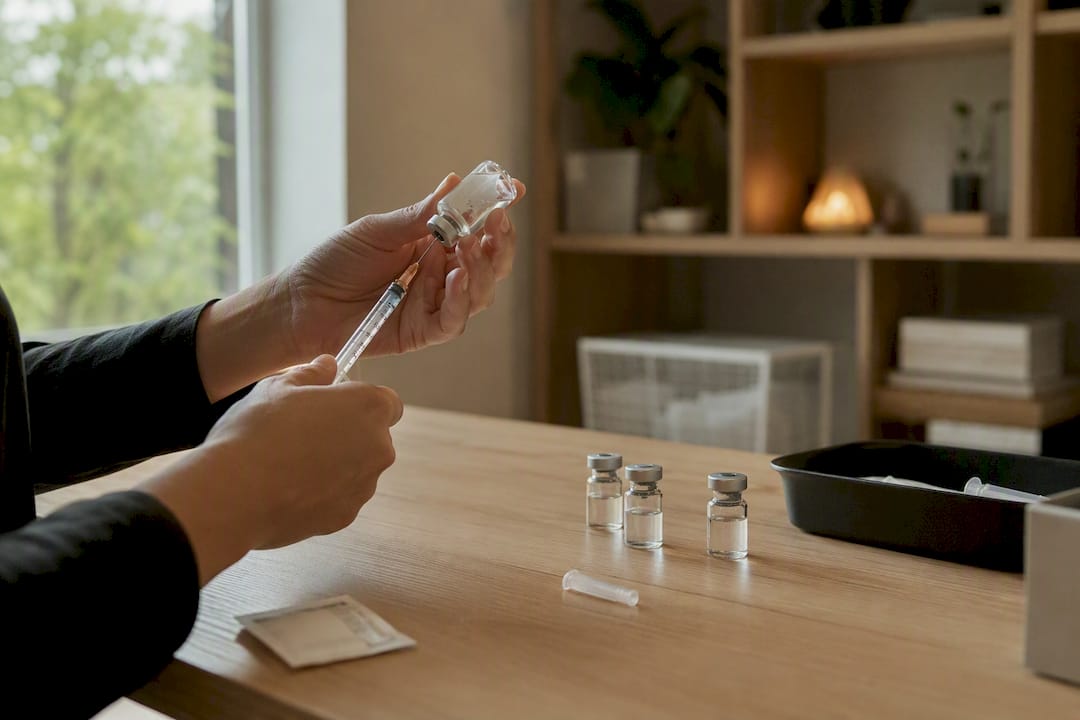
What sets Mystic apart is the integration piece. Infusions are paired with psychotherapy and mindfulness support, because the evidence consistently shows that what happens between sessions shapes how long relief lasts. Financing options and insurance support are available to help make treatment accessible, and every patient receives a clear maintenance and follow-up plan before their first session begins.
This article is general clinical information, not individualized medical advice. Your specific situation requires a direct conversation with a qualified clinician. To find out whether ketamine treatment is appropriate for you, schedule a consultation with the Mystic team, or explore the full range of treatment programs available.
Sources
- Ketamine for chronic pain: risks and benefits - PMC
- Managing Chronic Pain: The Ketamine Option | CNS Drugs | Springer Nature Link
- Ketamine for Chronic Non-Cancer Pain: A 2023 Update
- Ketamine for chronic non-cancer pain: A meta-analysis and trial sequential analysis of randomized controlled trials
- Cochrane Library
This article is general information, not a substitute for advice from a qualified doctor. Consult a qualified healthcare professional about your own circumstances before acting on anything here.
Recommended

Mystic Health Blog






FAQs
1. Am I eligible for ketamine therapy?
2. Does insurance cover the cost of ketamine therapy?
3. How many ketamine treatments will I need?
We recommend two initial treatments to determine suitability and adjust dosage. After these sessions, additional treatments are available based on your progress and specific requirements.