Chronic Pain Management Checklist: Your Practical Guide
TL;DR:
- A chronic pain management checklist provides a structured outline for assessing and treating persistent pain safely and effectively. It emphasizes thorough initial assessment, evidence-based non-drug therapies, cautious medication use, and consistent self-care practices to improve quality of life. Regular monitoring and holistic support, including psychological and social factors, are essential for long-term pain management success.
A chronic pain management checklist is a structured tool that outlines the essential steps for managing persistent pain by balancing symptom relief, functional improvement, and safety. Chronic pain affects more than 24% of U.S. adults and is defined as pain lasting longer than 3 to 6 months or beyond typical tissue healing time. That number means millions of people wake up every day carrying pain that doesn’t follow the rules of normal recovery. A well-built checklist for managing pain gives you and your care team a shared map, covering everything from daily self-care to medication safety to mental health support.
1. What should a chronic pain management checklist include first?
Every effective pain management plan starts with a thorough assessment. You can’t build a useful plan without first understanding the full picture of what you’re dealing with. This section covers the foundational items that belong at the top of any checklist.
- Pain intensity and quality. Document where the pain is, how it feels (burning, aching, stabbing), and how it changes throughout the day.
- Functional impact. Assess how pain affects activities of daily living, including walking, sleeping, working, and socializing.
- Mental health screening. Depression and anxiety are common in people with chronic pain. Screening for both is a clinical standard, not an optional add-on.
- Medication history. List all current medications, past treatments, and any history of substance use. Opioid risk screening belongs here too.
- Psychosocial factors. Stress, trauma, social support, and work status all shape how pain is experienced and how well treatment works.
- Baseline labs or urine drug screening. Some clinical settings require these before starting certain medications, especially opioids.
Pro Tip: Bring a written summary of your pain history to every new provider appointment. Include what has helped, what hasn’t, and how pain affects your daily function. This saves time and gets you to better care faster.
A complete assessment is not a one-time event. Pain management requires ongoing trial-and-error combinations of therapies tailored to each person. Your initial checklist sets the baseline. Everything else builds from there.
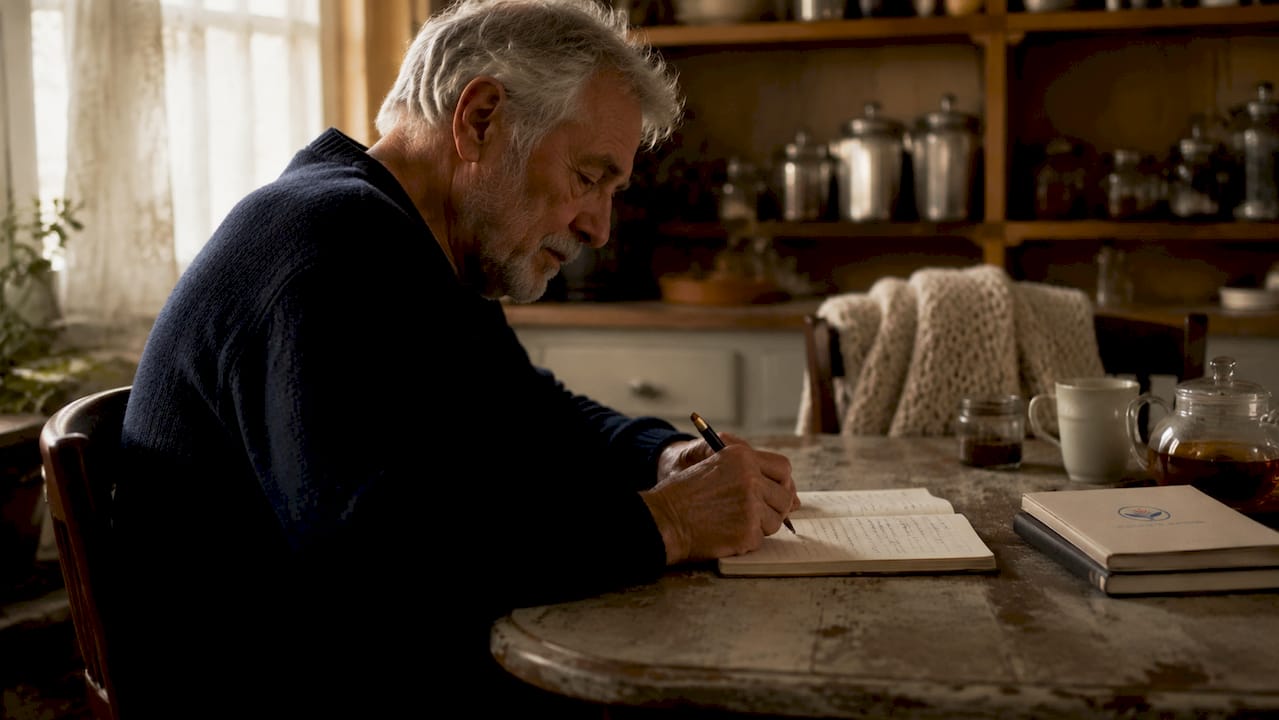
2. Which non-pharmacological strategies belong on the checklist?
Evidence-based guidelines recommend structured exercise and physical activity as first-line treatment for chronic pain. This is not a soft suggestion. It is the clinical standard, and it outperforms passive treatments like rest alone. The key is finding movement that fits your body and your limits.
- Structured exercise. Walking, swimming, and gentle strength training all reduce pain sensitivity over time. Start small and build gradually.
- Cognitive behavioral therapy (CBT). CBT builds resilience and breaks fear-avoidance cycles but requires consistent practice over weeks for lasting results. It changes how your brain interprets pain signals.
- Mindfulness and meditation. Regular mindfulness practice reduces the emotional distress that amplifies physical pain. Even 10 minutes a day creates measurable change.
- Yoga and gentle movement. These combine physical activity with breath awareness, addressing both body and mind at once.
- Pacing activities. Breaking tasks into manageable pieces prevents the boom-bust cycle in chronic pain. Overdoing it on a good day leads to flare-ups that set you back.
- Physical therapy and occupational therapy. A trained therapist can design a program specific to your condition, teach body mechanics, and help you adapt daily tasks.
Pro Tip: Pacing is a skill, not a personality trait. Set a timer and stop an activity before you feel pain, not after. This retrains your nervous system to associate movement with safety rather than suffering.
Patients who shift focus from cure to functional recovery and personalized movement strategies often experience significant quality-of-life improvements. The goal is not zero pain. The goal is a fuller life. For a deeper look at combining these approaches, the types of pain management techniques guide covers first-line and advanced interventions in detail.
3. How should medications be safely incorporated into the checklist?
Medication is one part of a larger plan, not the whole plan. When used carefully, it can reduce pain enough to allow you to engage with exercise, therapy, and daily life. When used carelessly, it creates new problems.
- Start at the lowest effective dose. Pharmacologic therapy should start at the lowest effective dose and be titrated cautiously with focus on function and quality of life. Jumping to higher doses early increases risk without improving outcomes.
- Prioritize non-opioid options first. NSAIDs, acetaminophen, topical agents, and certain antidepressants or anticonvulsants are preferred first-line medications for most chronic pain conditions.
- Schedule regular medication reviews. Standard clinical care requires reassessments every 4 to 8 weeks with comprehensive reviews of medication and function at least every 90 days. This is not bureaucracy. It is how you catch problems before they grow.
- Monitor for adverse effects. Track side effects like drowsiness, constipation, mood changes, or cognitive fog. Report them to your provider promptly.
- Screen for misuse or dependence. This applies to opioids especially. Virginia regulations require documentation of pain assessment, treatment goals, risk screening, consent, and regular review for opioid therapy. These standards exist to protect patients, not punish them.
- Set realistic goals with your provider. Medications aim to improve function, not eliminate all pain. Agreeing on what success looks like prevents frustration and overuse.
Pro Tip: Keep a simple medication log noting dose, time, and how you felt two hours later. This data helps your provider make better decisions faster.
4. What ongoing monitoring steps keep a pain plan on track?
A pain plan without monitoring is just a guess. Regular reassessment is what turns a plan into a living document that actually works for you. The table below outlines the key monitoring checkpoints and what each one covers.
| Monitoring Step | Frequency | What to Assess |
|---|---|---|
| Pain intensity and quality | Every visit | Changes in location, character, or severity |
| Functional status | Every 4–8 weeks | Activities of daily living, work, sleep |
| Medication review | Every 4–8 weeks | Effectiveness, side effects, adherence |
| Comprehensive plan review | Every 90 days | All therapies, goals, referral needs |
| Mental health check-in | Every visit | Mood, anxiety, coping, social support |
Functional status matters more than pain scores alone. Functional goals in pain logs are more reliable than numerical pain scores for tracking treatment success. “I walked to the mailbox today” tells your provider more than “my pain is a 6.” It shows what is actually changing in your life.
Referral to a pain specialist is appropriate when first-line treatments fail, when opioid therapy becomes complex, or when psychological factors need more intensive support. Multidisciplinary pain programs, which combine medical, psychological, and rehabilitative care, produce the strongest long-term outcomes for complex cases. Reviewing a palliative care workflow guide can help you understand how routine reassessments and medication monitoring fit into a broader care structure.
5. What self-care resources and daily habits complete the checklist?
Self-care for chronic pain is not about pushing through. It is about building a daily structure that supports your nervous system and reduces the conditions that make pain worse. These practical tools belong on every checklist.
- Pain and function logs. Track what you did, how you felt, and what helped or hurt. Focus on functional goals rather than just pain numbers.
- Sleep hygiene. Poor sleep amplifies pain. A consistent sleep schedule, a cool dark room, and limiting screens before bed are evidence-backed starting points.
- Nutrition. Anti-inflammatory eating patterns, including more vegetables, whole grains, and omega-3 rich foods, reduce systemic inflammation that worsens pain.
- Stress management. Chronic stress keeps the nervous system in a heightened state, which intensifies pain. Breathing exercises, journaling, and time in nature all lower that baseline.
- Community and peer support. Connecting with others who live with chronic pain reduces isolation and builds coping skills. Online groups and in-person support networks both count.
- Educational resources. Learning about pacing, relaxation techniques, and coping strategies gives you tools to use between appointments. A mental health checklist can help you address the psychological side of pain management alongside physical care.
Daily pain relief tips work best when they are consistent, not heroic. Small, repeated actions build the foundation that big interventions can’t replace.
Key takeaways
The most effective chronic pain management checklist combines structured assessment, evidence-based therapies, careful medication oversight, and consistent self-care to improve function and quality of life.
| Point | Details |
|---|---|
| Start with full assessment | Document pain quality, functional impact, mental health, and medication history before building a plan. |
| Prioritize non-drug therapies | Structured exercise, CBT, and pacing are first-line treatments supported by clinical guidelines. |
| Use medications carefully | Start at the lowest effective dose and review every 4–8 weeks with your provider. |
| Track function, not just pain | Functional goals like daily activities are more meaningful measures of progress than pain scores alone. |
| Build daily self-care habits | Sleep, nutrition, stress management, and peer support reduce pain and improve resilience over time. |
What I’ve learned about checklists and chronic pain
I’ve worked alongside people living with chronic pain long enough to know one uncomfortable truth: most people come in hoping for a cure, and that hope, while completely understandable, can actually slow healing down.
The checklist approach works not because it is rigid, but because it gives you something to hold onto when the pain feels random and relentless. It says: here is what we know, here is what we are trying, and here is how we will know if it is working. That structure is itself therapeutic.
What surprises most people is how much the psychological and social pieces matter. Addressing fear-avoidance, grief, and isolation is not a soft add-on to “real” treatment. It is often the difference between someone who improves and someone who stays stuck. Transitioning from passive to active therapy is the hardest and most rewarding step I see people take.
The other thing I’d say is this: patience is not passive. Showing up for your appointments, logging your symptoms, doing your pacing exercises on the days you feel fine, and communicating honestly with your care team. That is active work. That is healing. A good pain management therapy guide can help you understand how all the pieces fit together when the path feels unclear.
— Kabir
Mystic’s approach to personalized chronic pain care
Living with chronic pain is exhausting, and you deserve care that sees the whole picture, not just the symptom.
Mystic brings together integrative mental health support, psychedelic-assisted therapies, and palliative care into personalized programs designed for people who have tried the standard routes and need something more. The team at Mystic works with you to build a plan that addresses pain, emotional wellbeing, and quality of life together, not separately. Insurance compatibility and financing options make these programs accessible to more people than you might expect. If you are ready to explore what a whole-person approach to pain care looks like, Mystic’s programs are a place to start.
FAQ
What is a chronic pain management checklist?
A chronic pain management checklist is a structured tool covering assessment, treatment planning, medication safety, and self-care steps to guide effective long-term pain management. It helps patients and providers track progress and adjust care over time.
How often should a chronic pain plan be reviewed?
Clinical standards call for reassessments every 4 to 8 weeks, with a full review of medications and functional status at least every 90 days.
What are the best non-drug pain management strategies?
Structured exercise, cognitive behavioral therapy, mindfulness, and activity pacing are the most evidence-backed non-pharmacological approaches for chronic pain relief.
Why are functional goals better than pain scores?
Functional goals, such as completing a walk or returning to a hobby, reflect real-life improvement more accurately than a numerical pain score, which can fluctuate for many reasons unrelated to treatment progress.
When should someone see a pain specialist?
A referral to a pain specialist is appropriate when first-line treatments have not worked, when opioid therapy becomes complex, or when psychological factors require more intensive support than a primary care setting can provide.
Recommended

Mystic Health Blog






FAQs
1. Am I eligible for ketamine therapy?
2. Does insurance cover the cost of ketamine therapy?
3. How many ketamine treatments will I need?
We recommend two initial treatments to determine suitability and adjust dosage. After these sessions, additional treatments are available based on your progress and specific requirements.