 The Mystic Journal
How to Prepare for Ketamine Sessions: 2026 Guide
Kabir Ali
 10 min read

TL;DR:
- Preparing thoroughly for ketamine sessions involves physical readiness, mental clarity, and logistical planning. Proper fasting, sleep, and medication management reduce risks and enhance therapeutic benefits. Mental preparation through intention setting and surrender mindset improves session quality and integration.
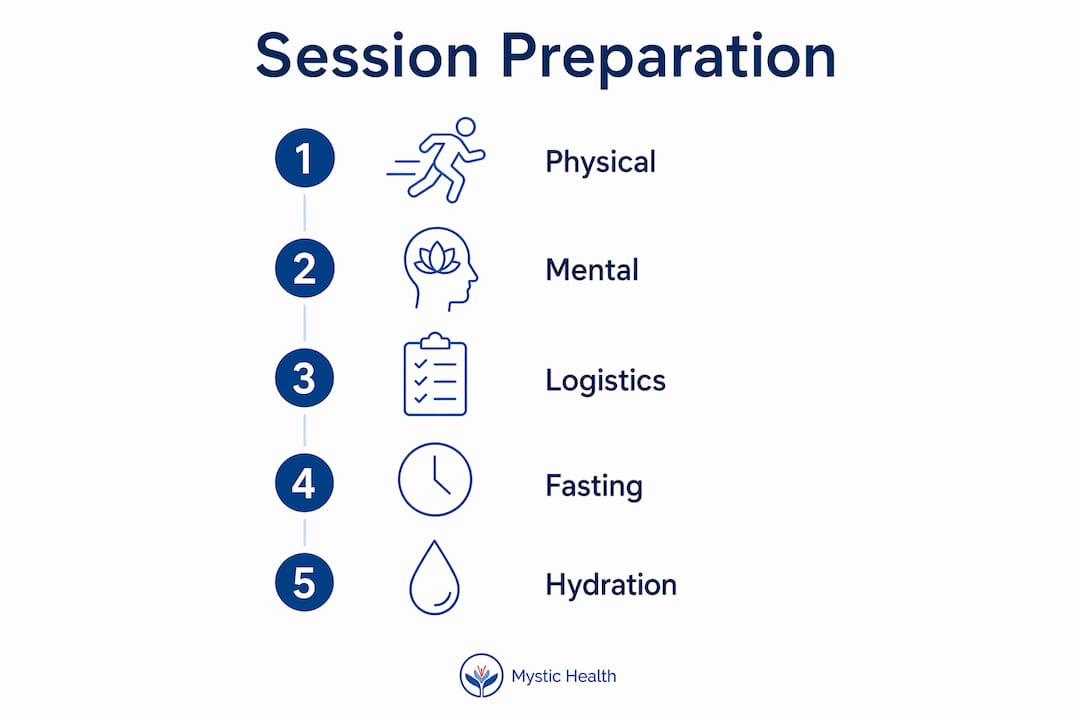
Knowing how to prepare for ketamine sessions is the single most important thing you can do before your first infusion. Ketamine-assisted psychotherapy requires physical readiness, mental groundwork, and practical planning to work safely and well. Skip the prep, and you risk nausea, anxiety, and a session that feels more disorienting than healing. Get it right, and you give yourself the best possible chance at the kind of relief this treatment can genuinely offer. This guide walks you through every step, from fasting protocols to post-session recovery, so you can show up with confidence.
How to prepare for ketamine sessions: physical readiness first
Physical preparation is the foundation of a safe ketamine session. Your body’s state going in directly affects how you feel during and after treatment.
Fasting and diet
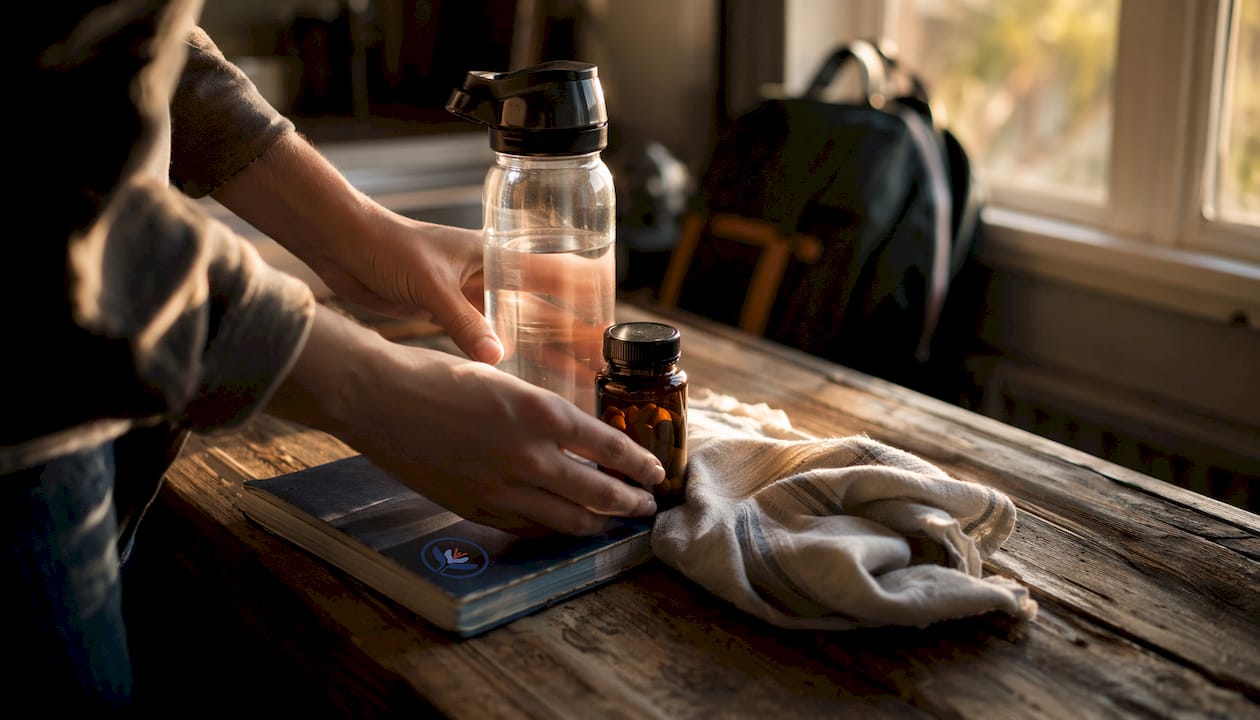
Fasting before your session is non-negotiable. The standard clinical guideline calls for no solid food for 3–6 hours before your infusion, with clear liquids allowed until 2 hours prior. Some clinics extend this to 8 hours, so always confirm with your provider. The reason is straightforward: ketamine can trigger nausea, and an empty stomach significantly reduces that risk.
The day before your session also matters. Avoid heavy, greasy, or spicy foods the evening before treatment. A light, balanced meal keeps your digestive system calm and sets a cleaner baseline for the next day.
Hydration and sleep
Hydration is easy to overlook, but it matters. Drink water consistently in the days leading up to your session. On the morning of your appointment, sip water steadily until the 2-hour cutoff. Dehydration can amplify headaches and dizziness after infusion.
Getting 7–9 hours of sleep the night before your session is one of the most underestimated preparation steps. Sleep directly regulates stress hormones and anxiety levels. Well-rested patients consistently report smoother sessions and less pre-session fear. Protect that sleep like it is part of your treatment, because it is.
Substances and medications
- Alcohol and cannabis: Avoid both for at least 24 hours before treatment. Many providers recommend 48 hours. Both substances interfere with ketamine’s efficacy and can destabilize your mental state during the session.
- Benzodiazepines: These can blunt ketamine’s therapeutic effects. Discuss any current use with your provider well before your appointment.
- Stimulants: Medications like Adderall or other stimulants may need adjustment on treatment day. Never stop or change a medication without explicit guidance from your care team.
- Other medications: Bring a complete, current medication list to every appointment. Your provider needs the full picture to keep you safe.
Pro Tip
Write your medication list the night before your session and photograph it on your phone. That way you always have it accessible, even if you forget the paper copy.
What does mental preparation for ketamine therapy actually look like?
Mental readiness shapes the quality of your session as much as any physical factor. Ketamine produces a dissociative state that can feel unfamiliar and, without preparation, unsettling. The good news is that you can practice for it.
Setting an intention
Setting a gentle intention before your session gives your mind a quiet anchor. Think of it less as a goal and more as a soft direction, something like “I want to feel less afraid” or “I am open to seeing things differently.” An intention is not a demand you place on the experience. It is a whisper, not a command. This distinction matters because pressure and control are the enemies of a good ketamine session.
The surrender mindset
Surrender is an active, conscious choice during ketamine therapy, not a passive collapse. It means deciding, ahead of time, that you will not fight the experience or try to analyze it moment to moment. Patients who practice this mindset before sessions report significantly less anxiety and a more fluid experience overall. You can rehearse surrender through meditation, breathwork, or simply sitting quietly and noticing thoughts without chasing them.
Managing expectations honestly
Ketamine therapy is a tool, not a cure. Benefits often build across multiple sessions over 2–3 weeks, not in a single infusion. Going in expecting one session to fix everything sets you up for disappointment. Going in curious and open sets you up for growth.
- Normalize pre-session anxiety. Almost everyone feels nervous before their first session. Tell your care team. They can adjust the environment, offer reassurance, or modify the approach.
- Practice mindfulness daily in the week before your session. Even 10 minutes of quiet breathing changes how your nervous system responds to unfamiliar experiences.
- Approach with curiosity. Treat the session as an exploration, not a test you can pass or fail.
Pro Tip
The night before your session, write down one honest fear and one genuine hope about the experience. Reading both aloud helps your brain process the emotional weight before you walk in.
What logistical steps should you take on the day of your session?
Day-of logistics are where preparation becomes safety. A rushed, disorganized morning raises cortisol before you even sit in the chair.
Transportation planning
Driving is prohibited for 12–24 hours after a ketamine infusion. This is a firm clinical rule, not a suggestion. Arrange your ride well in advance, whether that is a trusted friend, family member, or a scheduled rideshare. Last-minute transportation scrambles create stress and, in some cases, genuine safety risks. Confirm your ride the evening before, not the morning of.
What to wear and bring
Comfort is the goal. Choose loose, soft clothing that does not restrict movement. If your session involves an IV infusion, wear a top with easy sleeve access. Layers are smart because clinic temperatures vary.
Pack the following before you go to bed the night before:
- Photo ID and insurance card
- Current medication list
- Payment or insurance information
- Eye mask (reduces visual stimulation during the session)
- Headphones and a curated playlist (music significantly shapes the emotional tone of a ketamine session)
- A light blanket or comfort item from home
- A journal for post-session notes
| Item | Why it matters |
|---|---|
| Eye mask | Reduces visual distraction and deepens inward focus |
| Headphones with music | Music guides emotional tone and reduces ambient noise anxiety |
| Journal | Captures session impressions before they fade |
| Comfort item from home | Familiar textures ground you during and after the experience |
| Medication list | Keeps your care team fully informed for safe dosing |
Timing and schedule
Arrive 10–15 minutes early. Rushing into a ketamine session spikes anxiety before the medicine even begins. Block off the entire rest of your day after the appointment. Plan nothing demanding, no work calls, no errands, no difficult conversations. Your only job after a session is to rest.
Pro Tip
Tell one trusted person your appointment time and expected return home. You do not need a full escort, but someone knowing your schedule adds a quiet layer of safety.
What should you expect after your ketamine session?
Recovery after a session is part of the treatment itself. How you spend the hours after your infusion affects how well the experience integrates.
- Expect fatigue and emotional sensitivity. Post-session tiredness and emotional openness are normal and common. They are signs that something real happened, not signs that something went wrong.
- Rest without screens. Avoid phones, social media, and television for at least 2–3 hours after your session. Your nervous system needs quiet to process what it just experienced.
- Hydrate and eat lightly. When your appetite returns, choose something simple and nourishing. A heavy meal too soon can bring back nausea.
- Journal your impressions. Write down images, feelings, or thoughts from the session as soon as you feel able. These notes become valuable material for integration work with your therapist.
- Avoid major decisions. Do not make significant personal or professional choices on session day. Dissociative effects can linger, and your judgment is not at its sharpest.
The day after your session, check in with yourself gently. Some patients feel a lift in mood within 24 hours. Others feel raw or reflective for a day or two. Both are within the normal range. If anything feels alarming, contact your care team directly. You can also read through Mystic’s first-timer’s ketamine guide for a fuller picture of what the full treatment arc looks like.
Key Takeaways
Thorough preparation across physical, mental, and logistical dimensions is the most reliable way to improve both the safety and the quality of a ketamine therapy session.
- 01
Fast before your session
No solid food 3–6 hours prior; clear liquids allowed until 2 hours before to reduce nausea.
- 02
Prioritize sleep
Get 7–9 hours the night before to regulate stress hormones and reduce pre-session anxiety.
- 03
Set a gentle intention
Use a soft mental anchor, not a goal, to guide focus without creating pressure during the session.
- 04
Arrange transport in advance
Driving is prohibited for 12–24 hours post-infusion; confirm your ride the evening before.
- 05
Plan a full recovery day
Block off the rest of the day after your session for rest, hydration, journaling, and no major decisions.
A note from Kabir
What I’ve learned about preparation after years in this work
I have sat with a lot of patients walking into their first ketamine session. The ones who struggle most are rarely the ones who are most afraid. They are the ones who underestimated the preparation.
The physical steps, fasting, sleep, avoiding alcohol, are easy to explain and easy to follow. What surprises people is how much the mental work matters. I have seen patients with textbook physical prep have a rough session because they walked in trying to control every moment. And I have seen patients who were genuinely terrified have profound, gentle experiences because they had practiced letting go.
The surrender piece is the one I wish more people took seriously before their first session. It is not about being passive. It is about deciding in advance that you will not fight what comes. That decision, made consciously and practiced even briefly through meditation or breathwork, changes everything.
The logistics matter too, more than people expect. Scrambling for a ride, forgetting your headphones, rushing in late: these things raise your cortisol before the medicine even starts. A calm arrival is not a luxury. It is part of the treatment.
If you are preparing for your first session, give yourself the gift of a slow morning. Sleep well. Eat light the day before. Write down one intention. And trust that the preparation you do today is already part of your healing.
You can also explore what ketamine clinics typically offer in terms of environment and support, so you know what to expect when you walk through the door.
— Kabir
Mystic Health is here to support your ketamine therapy preparation
Preparing for ketamine therapy is easier when you have a care team that walks through every step with you, not just the clinical ones.
Mystic Health’s integrative mental health programs include ketamine-assisted psychotherapy with full preparation support, from your first consultation through post-session integration. The care team helps you plan transportation, understand fasting and medication protocols, and build the mental readiness that makes sessions more effective. If you are ready to take the next step, explore Mystic’s treatment programs and find the right path for where you are right now.
FAQ
How long should I fast before a ketamine infusion?
Fast from solid food for 3–6 hours before your session, with clear liquids allowed until 2 hours prior. Some clinics require up to 8 hours, so confirm the exact guideline with your provider.
Can I drive myself home after a ketamine session?
Driving is prohibited for at least 12–24 hours after a ketamine infusion. Arrange a trusted driver or rideshare service in advance and confirm the pickup the night before your appointment.
What mental preparation helps most before a ketamine session?
Setting a gentle intention and practicing a surrender mindset before your session reduces anxiety and improves the overall experience. Even 10 minutes of daily mindfulness in the week before your appointment makes a meaningful difference.
Should I stop my medications before ketamine therapy?
Never stop or adjust medications without explicit guidance from your care team. Benzodiazepines and stimulants may need adjustment on treatment day, but only your provider can make that call safely.
What should I do the day after a ketamine session?
Rest, hydrate, and review any journal notes from the session. Emotional sensitivity and mild fatigue are normal for 24–48 hours post-infusion. Contact your care team if anything feels alarming or outside what they prepared you to expect.
Recommended
 Sources and references (2)
- 1.Fasting before your session ketaminepath.com
- 2.Avoid heavy, greasy, or spicy foods psychedelicbeacon.com
This article is for educational purposes only and does not constitute medical advice, diagnosis, or treatment. Always consult a qualified healthcare provider about your own care.
Considering ketamine or Spravato?
Our team can help you understand your options and build a plan that fits your values.
Schedule a consultation