Integrative medicine for emotional healing and psychedelic therapy
TL;DR:
- Integrative medicine combines conventional treatment with evidence-based complementary approaches focusing on the whole person.
- Psychedelic-assisted therapy is structured with preparation, guided dosing, and crucial integration for lasting results.
- Effective healing requires ongoing support, lifestyle changes, and choosing qualified programs with proper oversight.
Psychedelic-assisted therapy was once dismissed as fringe science. Today, it sits at the center of some of the most promising clinical research in mental health care. What changed? Partly the science, but also the framework around it. Integrative medicine now provides a structured, whole-person context that makes these therapies safer, more meaningful, and more lasting. If you’ve been searching for something beyond a prescription and a follow-up appointment, this article is for you. We’ll walk through what integrative medicine actually is, how it supports emotional healing, where psychedelic-assisted therapy fits in, and what honest, grounded healing looks like in practice.
Table of Contents
- What is integrative medicine and why does it matter?
- How integrative medicine supports mental health and emotional healing
- Psychedelic-assisted therapy: Where does it fit?
- Integrative medicine for chronic illness and psychiatric comorbidities
- Navigating the benefits and limitations of integrative approaches
- The real-world impact: What most guides and clinics don’t tell you
- Explore next-step integrative programs for your healing journey
- Frequently asked questions
Key Takeaways
| Point | Details |
|---|---|
| Whole-person approach | Integrative medicine addresses body, mind, and lifestyle for comprehensive healing. |
| Evidence supports psychedelics | Psychedelic-assisted therapy—when integrated—can rapidly relieve symptoms of resistant depression and anxiety. |
| Personalized and cautious | Safety and benefit depend on well-structured, patient-tailored integrative programs, especially with complex conditions. |
| Ongoing integration matters | Sustained change relies on ongoing integration and multidisciplinary support, not just one-time treatments. |
What is integrative medicine and why does it matter?
The term “integrative medicine” gets used loosely, so let’s be clear about what it actually means. Integrative medicine combines conventional medical treatment with evidence-informed complementary approaches, always centering the whole person rather than just the diagnosis. It’s not about replacing your doctor. It’s about building a fuller picture of your health.
The core pillars of integrative medicine typically include:
- Mind-body practices such as mindfulness, meditation, and breathwork
- Nutritional support tailored to your physical and emotional needs
- Movement therapies including yoga, tai chi, and somatic exercise
- Acupuncture and traditional medicine for pain and stress regulation
- Lifestyle counseling addressing sleep, relationships, and environment
- Psychotherapy integrated with physical and spiritual care
What makes this model different from conventional care is the emphasis on why you’re struggling, not just what you’re struggling with. A conventional approach might treat depression with an antidepressant. An integrative approach asks what’s driving the depression, including your gut health, sleep patterns, trauma history, and social environment.
“Integrative medicine is not a rejection of science. It’s an expansion of it, one that honors the complexity of being human.”
For people living with chronic illness or treatment-resistant mental health conditions, this matters enormously. Exploring integrative mental health approaches can open doors that feel firmly shut in a traditional clinical setting. The recognition of integrative models is growing in clinical guidelines worldwide, and that shift is creating real space for people who need more than what conventional care alone can offer.
How integrative medicine supports mental health and emotional healing
Having defined integrative medicine, let’s focus on its tangible impact on emotional healing and mental health. The evidence here is genuinely encouraging.
Integrative approaches prioritize holistic therapies for mood disorders, resilience, and psychological healing. That means combining therapist-guided interventions with physical and lifestyle support to create a more complete healing environment. For someone navigating anxiety, grief, or complex trauma, this can feel like finally being seen in full.
Here’s a snapshot of how integrative strategies show up in mental health care:
| Modality | Target condition | Observed benefit |
|---|---|---|
| Mindfulness-based therapy | Anxiety, depression | Reduced rumination, improved mood |
| Nutritional psychiatry | Depression, fatigue | Symptom reduction, better energy |
| Somatic movement | Trauma, PTSD | Nervous system regulation |
| Acupuncture | Stress, chronic pain | Lower cortisol, improved sleep |
| Psychedelic-assisted therapy | Treatment-resistant depression | Rapid symptom relief |
The data reflects what many people already sense intuitively. Healing isn’t linear, and it rarely comes from one source.
Pro Tip: If you’re starting an integrative mental health program, ask your provider how they coordinate between modalities. A truly integrative team communicates across disciplines, so your nutritionist knows what your therapist is working on.
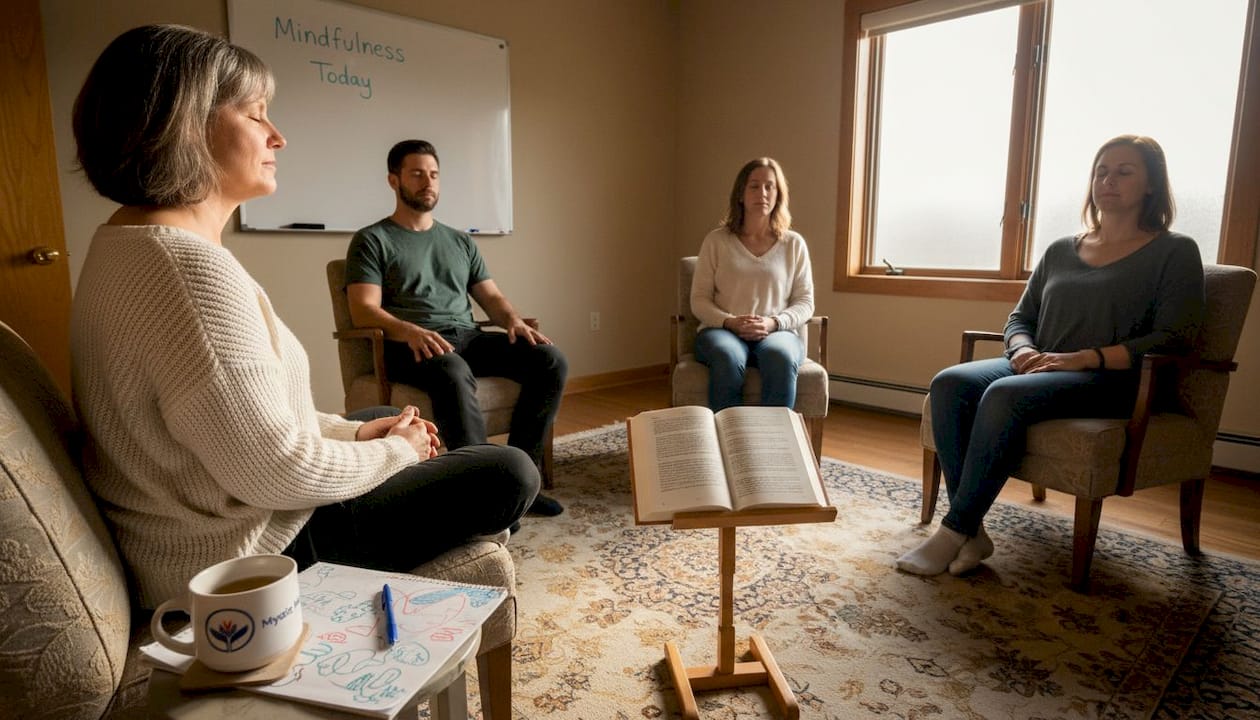
Practicing mindfulness in psychedelic therapy is one example of how these elements weave together. Mindfulness prepares the nervous system for deeper work, and it helps anchor insights that emerge during more intensive therapies. Reading about psychedelic healing perspectives from clinicians who work at this intersection can also help you understand what a grounded, culturally sensitive approach looks like in practice.
Psychedelic-assisted therapy: Where does it fit?
Integrative care creates fertile ground for emerging therapies such as psychedelic-assisted treatment. Here’s how it fits this model.
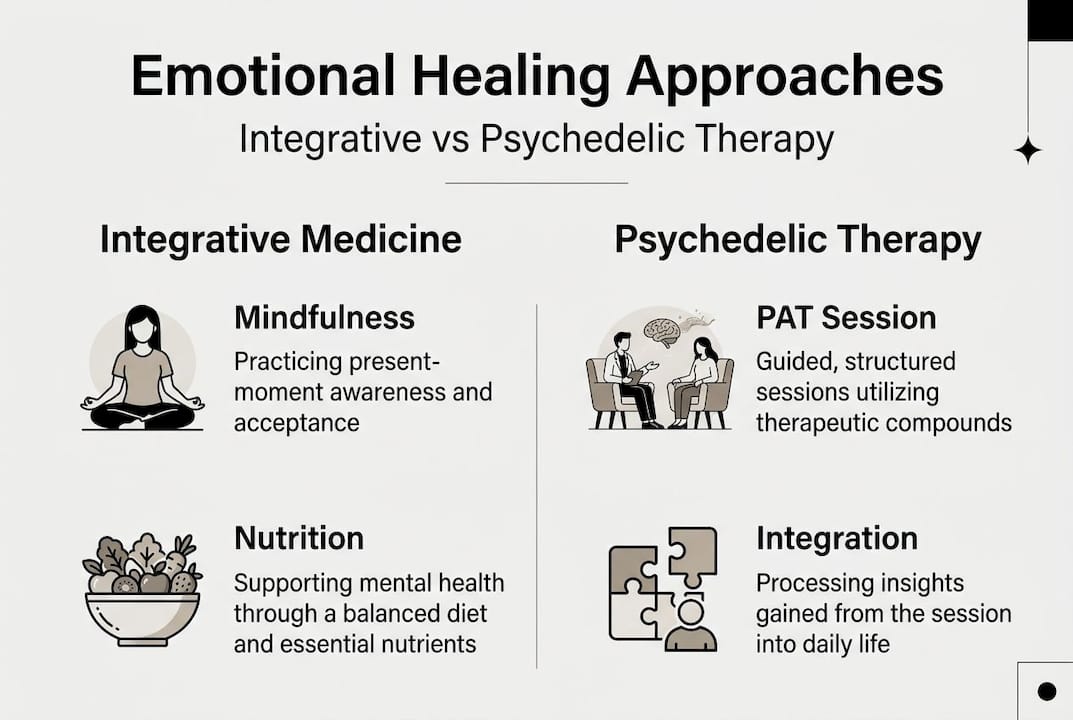
Psychedelic-assisted therapy (PAT) refers to structured clinical treatment using substances like psilocybin, MDMA, or ketamine, always in combination with psychotherapy and careful preparation. This is not recreational use. It’s a disciplined process with three distinct phases:
- Preparation — Building trust with your therapist, setting intentions, and preparing emotionally and physically
- Dosing session — A guided experience in a controlled clinical setting with trained support
- Integration — Processing what emerged, making meaning, and embedding change into daily life
Psychedelic-assisted therapies show rapid symptom relief for treatment-resistant depression, PTSD, and anxiety, with lasting benefits that extend well beyond the sessions themselves. That’s remarkable compared to many conventional treatments that require months of consistent use before any shift is felt.
Pro Tip: When evaluating a PAT program, ask specifically about the integration phase. Programs that end at the dosing session are missing the most important part of the work.
Here’s a comparison of the most studied psychedelic therapies:
| Substance | Primary use | Research status |
|---|---|---|
| Psilocybin | Depression, end-of-life anxiety | Phase 2 and 3 trials |
| MDMA | PTSD | FDA breakthrough therapy |
| Ketamine | Treatment-resistant depression | FDA-approved (Spravato) |
Reviewing best practices for psychedelic therapy is a helpful step before choosing a program. You can also explore psychedelic medicine programs and read patient experiences with PAT to understand what the journey genuinely looks like from the inside.
Integrative medicine for chronic illness and psychiatric comorbidities
Beyond mental health, integrative care provides added value for those living with chronic conditions. This is where the model truly proves its depth.
People managing cancer, post-COVID syndrome, spinal pain, or autoimmune conditions often carry an invisible emotional weight alongside their physical symptoms. Anxiety, depression, and grief are common companions to chronic illness, and they frequently go undertreated in conventional settings.
Multimodal integrative programs improve quality of life, reduce pain and fatigue, and enhance functioning for people with chronic illness. The combination of acupuncture, exercise therapy, nutritional support, and mindfulness creates compounding benefits that no single intervention can replicate.
Some key considerations for this population:
- Post-COVID patients often benefit from gentle somatic movement and nervous system regulation
- Cancer patients may find that psychedelic-assisted therapy reduces existential fear and improves end-of-life quality of life
- Chronic pain patients respond well to acupuncture and mindfulness combined with physical therapy
- Patients with comorbid diabetes or severe psychiatric symptoms may need modified programs, as these conditions can blunt response to some integrative interventions
Statistic: Integrative programs have shown measurable improvements in quality of life scores across chronic illness populations, though individual response varies significantly based on comorbidities and program structure.
Patient selection and tailoring matter enormously here. A program designed for someone with mild anxiety looks very different from one designed for a cancer patient navigating end-of-life fear. Mystic Health’s cancer and palliative care programs and mental health for chronic illness resources reflect this kind of thoughtful, individualized approach.
Navigating the benefits and limitations of integrative approaches
As with any evolving treatment, understanding both benefits and boundaries is essential. Honest conversation about limitations is actually a sign of a trustworthy program.
The evidence-based benefits of integrative medicine are real:
- Reduced psychological distress and improved mood
- Better pain management through multimodal support
- Enhanced quality of life across physical and emotional domains
- Increased patient agency and sense of participation in healing
- Meaningful symptom relief in treatment-resistant conditions
But the field is not without its critics. Despite observed improvements in quality of life and pain reduction, researchers warn of overpromising, methodological flaws in some studies, and real safety risks in vulnerable populations.
“The challenge with integrative medicine is not the evidence itself. It’s the gap between what research shows and what some programs actually deliver.”
Small sample sizes, lack of long-term follow-up, and the difficulty of blinding participants in psychedelic trials all create legitimate questions. There’s also a growing concern about the commodification of these therapies, where the depth and rigor of clinical practice gets diluted in pursuit of market growth.
For you as someone considering these approaches, the most important question is not “does this work in studies?” but rather “does this program have the structure, expertise, and ethics to work for me?” Staying informed through integrative medicine news and reviewing outcomes of integrative care can help you ask better questions and make more grounded decisions.
The real-world impact: What most guides and clinics don’t tell you
Here’s what you rarely hear from generic advice or marketing material. Most content about integrative and psychedelic-assisted therapy focuses on the dramatic moments: the breakthrough session, the emotional release, the transformation. What gets skipped is everything that comes after.
True healing is not a single event. It’s a practice. The integration phase of psychedelic therapy, the lifestyle changes, the ongoing therapy, the community support — these are not optional extras. They are the work. For seekers of psychedelic treatments, prioritizing established centers with multidisciplinary teams and structured integration is not just a recommendation. It’s the difference between a meaningful shift and a temporary experience that fades.
We’ve seen this firsthand. People who show up expecting one session to fix years of trauma are often disappointed. People who commit to the full arc of preparation, experience, and integration are the ones who carry lasting change forward. Individual variability is real, and program quality varies enormously. Choosing a structured psychedelic therapy program with genuine clinical oversight is the single most important decision you can make on this path.
Explore next-step integrative programs for your healing journey
If what you’ve read here resonates, you’re not alone in looking for something more grounded, more personal, and more effective than what conventional care has offered. At Mystic Health, we’ve built our programs around exactly this kind of whole-person thinking.
Our integrative mental health services bring together evidence-based therapies, compassionate clinical support, and structured psychedelic-assisted treatment in a setting that prioritizes your safety and your story. Whether you’re managing chronic illness, working through trauma, or seeking a deeper kind of healing, our integrative programs are designed to meet you where you are. You can also explore our mindfulness support resources as a starting point. Reach out to schedule a consultation and take the next step at your own pace.
Frequently asked questions
What makes integrative medicine different from traditional therapy?
Integrative medicine treats the whole person by combining conventional and complementary methods, addressing physical, emotional, and lifestyle factors together rather than focusing on symptoms alone.
Are psychedelic therapies safe for everyone?
No. Psychedelics risk psychosis in vulnerable individuals, which is why proper screening, clinical oversight, and a structured integration phase are essential before beginning any psychedelic-assisted treatment.
Does integrative medicine help with chronic illness symptoms?
Yes. Integrative programs improve quality of life and functioning while reducing pain in chronic illness, though outcomes are strongest when programs are tailored to the individual’s specific conditions and needs.
How does the integration phase enhance psychedelic-assisted therapy?
Integration phases are essential for sustained benefits and safety in psychedelic therapy, helping you process and anchor insights from your sessions into meaningful, lasting change in daily life.
Recommended

Mystic Health Blog








FAQs
1. Am I eligible for ketamine therapy?
2. Does insurance cover the cost of ketamine therapy?
3. How many ketamine treatments will I need?
We recommend two initial treatments to determine suitability and adjust dosage. After these sessions, additional treatments are available based on your progress and specific requirements.