Psychedelic Mushrooms Guide: Safe Clinical Access in the U.S.
TL;DR:
- Access to psilocybin for therapeutic benefits in the US requires participation in authorized clinical trials or supervised programs due to its Schedule I status. Self-administration or foraging wild mushrooms carries serious legal and health risks, including fatal misidentification. Structured therapy and medical oversight are essential for safety and efficacy.
For U.S. patients seeking therapeutic benefit, clinical psilocybin access through authorized research or supervised medical programs is the safest and legally appropriate pathway. Psilocybin remains a DEA Schedule I controlled substance — no FDA-approved psilocybin products exist for general clinical use. Self-administration and wild foraging carry serious legal and medical risks.
What you need to know right now:
- Allowed: Participating in authorized clinical trials, FDA-expanded-access programs, or state-licensed supervised research programs
- Not allowed: Self-administration, purchasing outside authorized channels, or foraging wild mushrooms for therapeutic purposes
- Safety warning: Mushroom misidentification causes real fatalities; psilocybin can trigger psychosis in people with certain psychiatric histories
- Your next step: Search clinicaltrials.gov, consult a licensed provider, or ask about legal alternatives like ketamine-assisted therapy or Spravato
Table of Contents
- What psilocybin actually does in the brain and in therapy
- U.S. legal status and how patients can realistically access psilocybin
- What clinical trials actually show — and where the evidence still falls short
- Risks, contraindications, and when to call for help
- Why foraging wild mushrooms is genuinely dangerous
- What a clinical psilocybin therapy program looks like, step by step
- How to find lawful clinical access and what to ask before you enroll
- Legal alternatives available now: ketamine therapy and Spravato
- How to prepare for a consultation and what timelines to expect
- Key Takeaways
- The part most guides skip
- Mystic Health offers psychedelic-informed care you can access now
- Useful sources for clinical trials, legal guidance, and evidence
What psilocybin actually does in the brain and in therapy
Psilocybin is a naturally occurring compound found in certain mushroom species, most commonly in the Psilocybe genus. After ingestion, the body rapidly converts it to psilocin, which acts as a partial agonist at serotonin 2A receptors, producing altered perception, emotional openness, and in some cases profound shifts in self-awareness.
What makes psilocybin clinically interesting is not the altered state alone. Researchers believe the therapeutic value comes from the combination of the pharmacological effect and structured psychotherapy — the compound opens a window; the therapy helps patients use it. Clinical teams stress that the experience is as much psychological as pharmacological, and that structured support reduces trauma risk while improving integration of insights.
Dosing matters enormously. Microdosing produces subtle effects very different from the macrodoses used in clinical trials. Therapeutic protocols standardize dosing within trials to balance efficacy and safety — conflating recreational and clinical dosing ranges is a common and serious hazard.

Pro Tip: Never use recreational dosing references to estimate a therapeutic dose. Clinical protocols are calibrated by body weight, psychiatric history, and setting — variables a forum post cannot account for.
U.S. legal status and how patients can realistically access psilocybin
Psilocybin is a Schedule I controlled substance under federal law. Production, possession, and sale are illegal except within authorized research. No FDA-approved psilocybin product exists for general clinical use in the United States.
Legal access routes for patients:
- Authorized clinical trials: The primary legal pathway; search clinicaltrials.gov for enrolling studies
- FDA expanded access (compassionate use): Rare, requires a licensed physician to apply; reserved for serious conditions with no alternatives
- State and local decriminalization: Cities like Denver and states like Oregon have decriminalized or regulated psilocybin to varying degrees — but decriminalization does not create a legal clinical treatment pathway or protect you from federal law
- Oregon’s licensed service centers: Oregon’s Measure 109 created a supervised psilocybin service model; this is state-regulated, not federally approved, and access is limited to Oregon residents at licensed facilities
Decriminalization means local law enforcement is less likely to prioritize prosecution — it does not mean psilocybin is safe to use therapeutically without clinical oversight, and it does not protect against federal charges or medical emergencies.
Pro Tip: Before enrolling in any program, verify that it operates under an IRB-approved protocol or a state-licensed framework. A provider who cannot show you their approval documentation is a red flag.

What clinical trials actually show — and where the evidence still falls short
Research on psilocybin has produced genuinely promising results, particularly for treatment-resistant depression, major depressive disorder, addiction, and end-of-life existential distress. The FDA has granted “breakthrough therapy” designation to psilocybin for treatment-resistant depression and major depressive disorder, which accelerates the review process but is not an approval.
The limits are real, though. Many trials have small sample sizes and short follow-up windows. Results vary against standard treatments, and the absence of broad FDA approval means no psilocybin therapy is yet available through a standard prescription. The psychological benefits observed in trials consistently depend on integrated psychotherapy alongside the dosing session — psilocybin alone, without that therapeutic container, produces far less reliable outcomes.
Conditions under active investigation:
- Treatment-resistant depression and major depressive disorder
- Alcohol use disorder and nicotine dependence
- Cancer-related anxiety and existential distress
- PTSD (early-stage research)
Risks, contraindications, and when to call for help
Psilocybin is not safe for everyone. NCCIH warns that it can trigger severe adverse events, including psychosis and intense anxiety, especially in people with personal or family histories of mental illness. A family history of schizophrenia or bipolar disorder is a firm contraindication in most clinical protocols.
Physiologically, psilocybin causes blood pressure and heart rate spikes that peak around 60–120 minutes post-dosing. Patients with cardiac conditions face real risk during this window. Combining psilocybin with SSRIs, lithium, or MAOIs creates dangerous interaction profiles, including the potential for serotonin syndrome.
Never combine psilocybin with other psychoactive substances. Mixing with cannabis, stimulants, or certain psychiatric medications significantly increases the risk of a severe adverse event — and in a clinical setting, that combination can disqualify you from a trial entirely.
Who should not receive psilocybin:
- Personal or family history of psychosis, schizophrenia, or bipolar I disorder
- Active cardiac conditions or uncontrolled hypertension
- Current use of lithium, MAOIs, or high-dose SSRIs without medical washout
- Pregnancy or breastfeeding
Pro Tip: Read Mystic’s psychedelic harm reduction guide before your first clinical consultation — it covers the specific questions your screening team will ask, so you can answer them accurately.
Why foraging wild mushrooms is genuinely dangerous
Wild mushroom identification is a trained skill, and the stakes with Psilocybe lookalikes are lethal. Galerina marginata, which shares the same small brown cap and woodland habitat, contains amatoxins that cause fatal liver failure. Cortinarius species carry delayed toxicity that may not present for days. By then, organ damage is already underway.
Single-feature identification is unreliable. Blue bruising — often cited as a Psilocybe marker — is not definitive. Accurate identification requires multiple converging features: spore print color, cap pellicle, gill attachment, substrate, habitat context, and often microscopic spore morphology. A photo posted to a forum is not a safe identification.
“If in doubt, throw it out.” This is not a casual suggestion — it is the professional mycologist’s standard for a reason. No therapeutic goal is worth the risk of amatoxin poisoning.
Cultivation from verified spore cultures removes the lookalike risk because species identity is controlled from the start. That said, home cultivation remains illegal in most U.S. jurisdictions even where spore possession is tolerated — and it does not create a clinical-grade therapeutic context.
Pro Tip: If you are interested in mycology as a field, connect with a local mycological society for hands-on training. For therapeutic purposes, the only safe source is a clinically authorized program.
What a clinical psilocybin therapy program looks like, step by step
Understanding the structure of a clinical program helps you ask better questions and set realistic expectations. Here is how a well-designed program typically unfolds:
- Intake and psychiatric screening: Full psychiatric history, medication review, physical exam, cardiac screening, and informed consent. This is where contraindications are identified.
- Preparatory sessions (2–3 sessions): Building therapeutic rapport, setting intentions, discussing what to expect, and completing any required medication washouts.
- Dosing session: Conducted in a supervised clinical environment with at least two trained staff present. Vitals are monitored throughout. Acute effects typically peak around one to two hours post-ingestion and resolve within several hours.
- Integration sessions (multiple): Scheduled psychotherapy to process the experience, connect insights to daily life, and build lasting behavioral change.
| Phase | Typical Duration | Key Focus |
|---|---|---|
| Screening and intake | about one to two weeks | Safety, eligibility, informed consent |
| Preparatory sessions | a few weeks | Rapport, intentions, medication washout |
| Dosing session | several hours (in clinic) | Supervised experience, vitals monitoring |
| Integration therapy | several weeks | Processing, behavioral application |
The mindfulness and integration practices that support this process are not optional add-ons. They are where much of the lasting therapeutic work happens.
Pro Tip: Bring a written list of your current medications, supplements, and any past psychiatric diagnoses to your first screening appointment. Incomplete disclosure is the most common reason patients are delayed or disqualified.
How to find lawful clinical access and what to ask before you enroll
Start with clinicaltrials.gov — filter by “psilocybin” and your state to find enrolling studies. University research centers (Johns Hopkins, NYU, UC San Francisco) run some of the most rigorous programs and publish their protocols publicly.
Patient vetting checklist:
- Is the study registered on clinicaltrials.gov with an active IRB approval?
- Who is the study sponsor, and what are the inclusion and exclusion criteria?
- What are the staff credentials (licensed therapists, medical oversight)?
- What emergency protocols are in place during dosing sessions?
- How is your data handled and protected?
Questions to ask any clinic or program directly:
- What dosing protocol do you use, and is it based on a published trial?
- What psychotherapy model do you use for integration?
- What is the follow-up schedule after the dosing session?
- What does participation cost, and does insurance cover any portion?
- What alternative treatments do you offer if I am not eligible for psilocybin?
Legal alternatives available now: ketamine therapy and Spravato
If you cannot access a psilocybin trial or are not eligible, two lawful options deliver rapid therapeutic effects through related mechanisms.
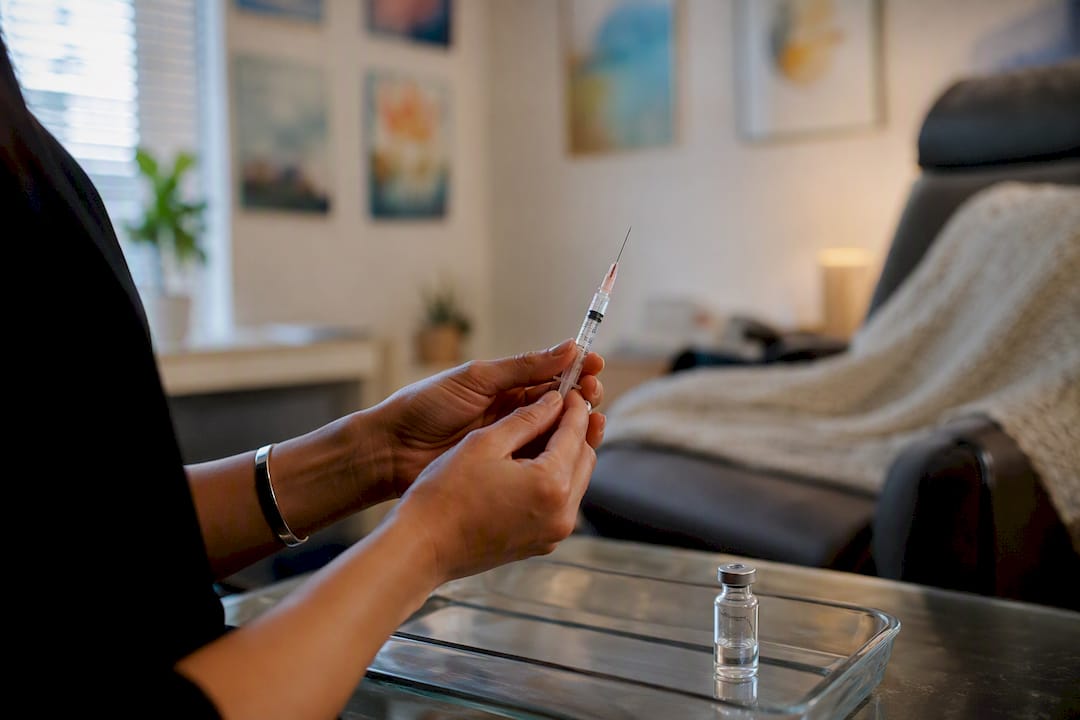
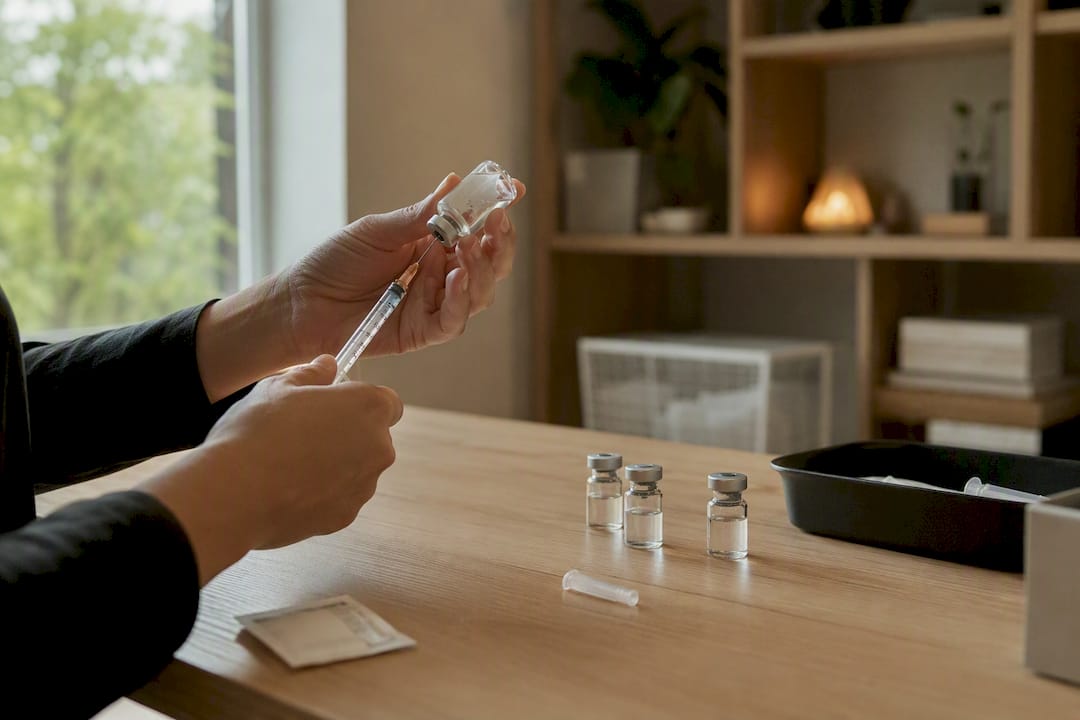
Ketamine-assisted psychotherapy uses off-label IV or intramuscular ketamine in a clinical setting, combined with structured psychotherapy and integration sessions. It has an established evidence base for treatment-resistant depression and acute suicidality, and clinic infrastructure exists across the U.S. right now.
Spravato (esketamine) is FDA-approved for treatment-resistant depression and is administered as a nasal spray in a certified clinic under REMS safety protocols. It requires supervised in-clinic administration and a monitoring period after each dose. Unlike psilocybin research programs, Spravato is available through standard clinical channels and may be covered by insurance.
| Feature | Psilocybin (research only) | Ketamine therapy | Spravato |
|---|---|---|---|
| FDA approval | No (trials only) | Off-label | Yes (TRD) |
| Legal U.S. access | Clinical trials | Licensed clinics | Certified clinics |
| Insurance coverage | Usually none (trial) | Varies | Often covered |
| Integration therapy | Required in trials | Standard in good programs | Recommended |
How to prepare for a consultation and what timelines to expect
The path from first inquiry to a dosing session takes weeks to months, not days. Knowing that up front saves frustration.
Typical timeline:
- Initial inquiry and intake form (1–2 days)
- Psychiatric and medical screening (1–2 weeks)
- Preparatory therapy sessions (2–4 weeks)
- Dosing session scheduling (varies by program availability)
- Integration sessions begin immediately after dosing
Cost considerations: Clinical trial participation is typically free but selective — waitlists are real, and not everyone qualifies. Clinic-based programs often involve out-of-pocket fees for screening, sessions, and facility use. Spravato and ketamine therapy may be partially covered by insurance depending on your plan and diagnosis.
Preparation checklist:
- Complete medical records and current medication list
- Recent psychiatric history and any prior treatment records
- Emergency contact information
- Arranged transportation home after clinic visits (you cannot drive)
- A trusted support person for the day of any dosing session
Pro Tip: Review Mystic’s patient consultation workflow before your first appointment — it walks through exactly what to bring and what to expect at each stage.
Key Takeaways
Psilocybin remains federally prohibited in the U.S., and the only safe, legal therapeutic pathway is through authorized clinical research or supervised licensed programs — self-administration and foraging carry serious medical and legal risks.
| Point | Details |
|---|---|
| Federal legal status | Psilocybin is DEA Schedule I; no FDA-approved products exist for general clinical use. |
| Safe access route | Authorized clinical trials (clinicaltrials.gov) and state-licensed supervised programs are the legal options. |
| Screening is non-negotiable | Family history of psychosis, cardiac conditions, and certain medications are firm contraindications. |
| Foraging is dangerous | Deadly lookalikes like Galerina require professional mycology to distinguish; single features are not reliable. |
| Mystic’s role | Mystic offers ketamine-assisted psychotherapy and Spravato now, with integrated mental health care and screening. |
The part most guides skip
There is something I want to say honestly to anyone reading this who is in real pain and hoping psilocybin will be the answer: the research is genuinely exciting, and the suffering that drives people toward it is real and valid. But the gap between “promising clinical trial” and “available treatment you can access tomorrow” is wider than most online content admits.
What I see patients underestimate most is the work that happens around the dosing session. The preparation, the integration, the willingness to sit with difficult material afterward — that is where healing actually takes root. The compound opens a door. You still have to walk through it, and that takes time, support, and honest self-reflection.
If you are not eligible for a trial, or the waitlist feels impossible, please do not conclude that there is nothing available. Ketamine-assisted therapy and Spravato are real, lawful, and effective for many people. They are not a consolation prize. Bring your questions to a licensed provider, bring someone you trust to your first appointment, and give yourself permission to take this one step at a time.
Mystic Health offers psychedelic-informed care you can access now
If you have been reading this and wondering what your actual next step looks like, Mystic is a place to start. Mystic offers ketamine-assisted psychotherapy and Spravato through a structured clinical model that includes screening, preparatory sessions, supervised treatment, and integration therapy — the full continuum, not just the infusion.
Mystic works with insurance where coverage applies and offers transparent guidance on costs before you commit to anything. The team screens carefully, which means if psilocybin research is a better fit for your situation, they will tell you that and help you find the right path. To take the next step, schedule a consultation and bring your medication list, your questions, and a support person if you can.
This article is general health information, not medical or legal advice. Confirm current regulations and treatment options with a licensed provider or the relevant regulatory authority for your specific situation.
Useful sources for clinical trials, legal guidance, and evidence
- DEA Psilocybin Scheduling Documentation: Primary source for federal legal status and Schedule I classification
- NCCIH Psilocybin Guidance: Evidence summary, risk warnings, and clinical guidance from the National Institutes of Health
- ClinicalTrials.gov: Search enrolling psilocybin studies by condition and location
- PMC Dose-Response Meta-Analysis: Peer-reviewed analysis of psilocybin dose and subjective experience across controlled studies
- CNS Spectrums — Psilocybin and Hallucinogenic Mushrooms: Clinical pharmacology and session monitoring reference
- LearnShrooms Identification Safety Guide: Mycology safety, lookalike species, and identification methodology
- MushroomIdentifiers Identification Guide: Professional identification workflow including spore prints and microscopy
Recommended

Mystic Health Blog




FAQs
1. Am I eligible for ketamine therapy?
2. Does insurance cover the cost of ketamine therapy?
3. How many ketamine treatments will I need?
We recommend two initial treatments to determine suitability and adjust dosage. After these sessions, additional treatments are available based on your progress and specific requirements.