How to Have a Good Shroom Trip: A Safety-First Guide
A safe, positive shroom trip is built on clear intentions, a prepared space, a planned dose, and a sober sitter. That’s the short answer. Everything else in this guide is about making those four things real, practical, and grounded in what the research actually shows.

If you’re here, you’re probably not looking for a lecture. You want to know how to prepare for mushrooms in a way that reduces risk and gives the experience room to be meaningful. So let’s start with the checklist, then go deeper on each piece.
Before your session, work through these steps:
- Write 1–3 specific intentions for what you want to explore or release
- Screen yourself honestly for mental-health red flags (see Section 2)
- Review your medications with a clinician or pharmacist
- Test your substance with a reagent kit or drug-checking service
- Choose a quiet, familiar, comfortable setting
- Plan a conservative dose and confirm the timing window (8+ hours free)
- Arrange a sober, trusted sitter who knows the plan
- Prepare physical comforts: water, snacks, layers, an eye mask, a journal
- Clear your schedule the next day for rest and reflection
- Check the legal status of psilocybin in your state or locality before proceeding
Psilocybin mushrooms remain federally illegal in the United States under Schedule I of the Controlled Substances Act. A small number of cities and states have decriminalized possession or created regulated therapeutic frameworks, but the legal picture varies significantly by location. Know your local laws and make an informed decision about your personal risk threshold.
Table of Contents
- What should you check before you start?
- How do you dose safely and confirm what you have?
- What should you actually do during the trip?
- What do you do if the trip goes badly?
- How do you take care of yourself after a session?
- What medical contraindications should you know before using psilocybin?
- Key Takeaways
- The case for taking this seriously
- Mystic Health offers a supervised path for those who need more than a checklist
- Useful sources and further reading
What should you check before you start?
The week before a session matters as much as the session itself. Skipping the pre-trip screening is one of the most common ways a well-intentioned experience goes sideways.
Mental-health red flags to take seriously:
- Personal or family history of psychosis, schizophrenia, or bipolar I disorder
- Current suicidal ideation or recent crisis
- Acute grief, trauma, or major life disruption in the past two to four weeks
- Severe untreated depression or anxiety
If any of these apply, postpone. Psilocybin can amplify whatever emotional state you bring into the session, and an already-fragile mental state is not a foundation you want to build on. This isn’t about fear; it’s about giving yourself a real chance at a meaningful experience rather than a destabilizing one.
Medication interactions to flag before you go further:
- Lithium: Combining lithium with psilocybin carries serious risks, including seizures. Do not proceed without explicit guidance from your prescribing clinician.
- MAOIs (monoamine oxidase inhibitors): These can intensify and prolong effects unpredictably and dangerously.
- SSRIs and SNRIs: These may blunt the effects of psilocybin, but stopping them abruptly to “feel more” is genuinely dangerous. Talk to your prescriber first.
Never adjust or stop a prescribed medication on your own to prepare for a session. A pharmacist or prescribing clinician can review your full medication list and give you clear guidance.
Setting your intentions:
Mental preparation is the single most commonly cited factor for a positive psychedelic outcome; a 2025 peer-reviewed study found 65.7% of participants cited mental preparation as the most important element for a positive experience. Vague intentions like “I want to feel better” tend to dissolve under the weight of the experience. Specific ones hold. Try: “I want to understand why I keep pulling away from people I love,” or “I want to sit with my grief about my father without running from it.” Write them down. Read them the morning of your session.
Pro Tip: Resolve any urgent interpersonal conflicts before your session date, or postpone if you’re in the middle of an acute emotional crisis. Unresolved tension has a way of becoming the entire session.
Day-of logistics:
- Fast for 4–6 hours before ingestion (reduces nausea, sharpens onset)
- Avoid alcohol for at least 24 hours prior
- Limit cannabis use in the days before, especially if it tends to trigger anxiety for you
- Confirm your sitter is available and knows the plan
- Silence your phone; clear 8+ hours with no obligations
How do you dose safely and confirm what you have?
Dosing psilocybin mushrooms is genuinely tricky because potency varies between species, batches, and even individual mushrooms within the same batch. The numbers below are conservative starting points, not targets to hit.

| Dose tier | Dried mushroom amount | Onset | Peak | Total duration |
|---|---|---|---|---|
| Microdose | — | Subtle | Minimal | 4–6 hours |
| Low / threshold | — | — | 1–2 hours | 4–6 hours |
| Common recreational | 1.5–2.0 g | — | 3–4 hours | 6–8 hours |
| High | — | — | 4–6 hours | 8+ hours |
For a first or early experience, staying at the low-to-common range (1.5–2.0 g) gives you meaningful effects without the intensity that makes navigation difficult. You can always go deeper in a future session. You cannot undo a dose that was too high.
The total duration of 6–8 hours at a common recreational dose is why the 8+ hour safety window matters so much. Plan for the longer end, not the shorter one.
On substance identification:
Wild-foraged mushroom identification is genuinely dangerous. Several toxic species closely resemble psilocybin-containing ones, and misidentification has caused serious harm. If you’re not sourcing from a trusted, known supply, use a reagent test kit. Ehrlich reagent is the most commonly used for psilocybin detection: a positive result turns purple. It confirms the presence of indole alkaloids but does not rule out other substances in a mixed or adulterated product. Community drug-checking services, where available, offer more comprehensive analysis.
What to avoid mixing:
- Alcohol (increases anxiety and nausea, impairs judgment)
- Stimulants (raises cardiovascular stress)
- Opioids (unpredictable CNS interaction)
- Cannabis during the peak (can dramatically intensify anxiety and paranoia)
What should you actually do during the trip?
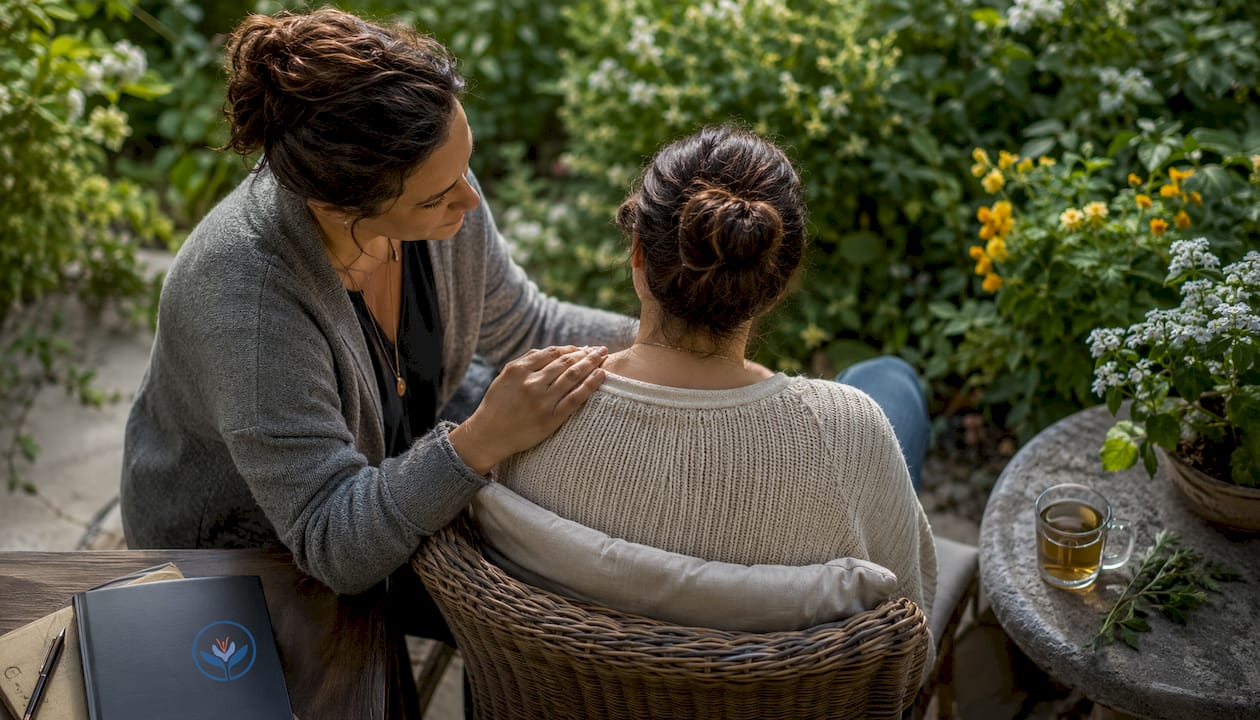
The physical setting is your container. Get it right and the experience has room to move. Get it wrong and you spend the session fighting your environment instead of being in it.
Setting up your space:
- A quiet room you know well, with a comfortable surface to lie down on
- Layers and a blanket (body temperature fluctuates)
- An eye mask for inward focus during the peak
- Water and easy snacks (crackers, fruit) within reach
- A journal and pen nearby
- Low, warm lighting or natural light; avoid harsh overhead lights
- Remove mirrors from the immediate space if possible
Preparing the environment was cited by 50.9% of surveyed participants as a key harm-reduction step, alongside having trusted people present (23.8%) and preparing items like music, water, and a journal (24.2%).
The sitter’s role:
A sober sitter is not a babysitter. Their job is to hold a calm, grounded presence, not to guide or interpret the experience. Here’s a short checklist for them:
- Stay sober for the full session
- Know the emergency plan and have emergency contacts ready
- Speak softly and sparingly; don’t pepper the person with questions
- Offer water periodically
- Intervene only if there’s a physical safety concern
- If the person is distressed, move to a calmer room and lower stimulation before saying anything
A simple reassuring phrase the sitter can use: “You’re safe. This is temporary. I’m right here with you.” That’s often enough.
Music:
Arc-based playlists follow a structure: gentle opening, building intensity, full peak, then a gradual integration phase. Instrumental and ambient music works best during the peak. Avoid songs with lyrics in your native language during the most intense phase; they tend to pull analytical attention away from the experience and into the words.
Simple activities that support flow:
- Lie down with eyes closed and follow the music
- Breathe slowly and deliberately when you feel tension rising
- Draw or write without any goal or expectation
- Spend time in a garden or near natural light if the setting allows
- Avoid screens, mirrors, driving, heights, and any complex task
What do you do if the trip goes badly?
Difficult experiences happen, even with good preparation. The goal is not to eliminate them but to move through them without harm.
Step-by-step for the sitter:
- Stay calm. Your nervous system is contagious. If you’re anxious, they’ll feel it.
- Move to a quieter, lower-stimulus room if possible.
- Dim the lights and lower or change the music.
- Offer water. Physical grounding helps.
- Speak slowly and quietly: “You’re safe. What you’re feeling is the mushrooms. It will pass.”
- Don’t argue with what they’re experiencing. Validate, don’t correct.
- Encourage them to lie down, close their eyes, and breathe slowly.
- Stay present. Don’t leave them alone.
What the person tripping can do:
Surrendering to the experience, rather than fighting it, is often what moves a difficult moment through. Resistance tends to amplify intensity. Try: “This is temporary. I am safe. I can let this move through me.” Breathe slowly. Close your eyes. Let the music carry you.
“You are safe. This feeling is temporary. The mushrooms will wear off. I am here with you, and nothing bad is happening.” This is the sitter’s anchor phrase. Say it slowly, calmly, and as many times as needed.
When to call for medical help:
Panic reactions and dangerous behavior are the primary sources of real harm during a psilocybin session, not overdose. Call 911 or Poison Control (1-800-222-1222) if you observe:
- Difficulty breathing or chest pain
- Unresponsiveness or loss of consciousness
- Severe, uncontrollable aggression
- Attempts to leave the location and approach traffic, heights, or other hazards
- Suspected ingestion of a toxic or unknown substance (not confirmed psilocybin)
- Seizures
For non-emergency distress, Poison Control can advise without dispatching emergency services. Many states now have Good Samaritan laws that offer some legal protection when calling for help during a drug-related emergency; check your state’s specific provisions.
How do you take care of yourself after a session?
The 24–72 hours after a session are not a footnote. They’re where the experience either becomes something lasting or fades into a blur.
Immediate aftercare:
- Rest. Don’t schedule work, social obligations, or anything demanding for the next day.
- Eat light, nourishing meals. Your system has been through something.
- Stay hydrated and avoid alcohol for at least 48 hours.
- Sleep as much as you need to.
Integration steps for the days that follow:
Harm-reduction checklists consistently recommend journaling, light meals, and scheduling an integration conversation within a week. Here are some prompts to start with:
- What images, feelings, or themes kept returning during the session?
- What did I resist, and what happened when I stopped resisting?
- What do I want to carry forward from this experience?
- Is there one small action I can take this week that reflects what I learned?
Schedule a follow-up conversation with a trusted friend, therapist, or integration-focused clinician within seven days. Don’t let the experience sit unprocessed.
When to seek professional follow-up:
- Persistent visual disturbances or perceptual changes lasting more than a few days
- New or worsening depression, anxiety, or paranoia
- Intrusive thoughts or flashbacks that interfere with daily life
- Feeling destabilized, confused, or unable to return to your baseline
These symptoms are uncommon but real. If they appear, reach out to a mental-health professional who is familiar with psychedelic experiences. The psychological benefits of psychedelics are well-documented, but they depend on proper integration support.
What medical contraindications should you know before using psilocybin?
This section is not meant to scare you. It’s meant to give you the information your doctor would want you to have.
Conditions that warrant postponing and seeking clinical advice:
- Personal or family history of psychotic disorder (schizophrenia, schizoaffective disorder)
- Bipolar I disorder, especially with a history of manic episodes
- Uncontrolled severe depression with psychotic features
- Active suicidal ideation or recent psychiatric hospitalization
Medication interactions that require a clinician review:
- Lithium: Serious interaction risk, including seizures. Do not combine.
- MAOIs: Can cause dangerous amplification of effects and serotonin-related complications.
- SSRIs/SNRIs: May reduce the effects of psilocybin; stopping them abruptly is dangerous. Discuss with your prescriber.
- Tramadol: Has serotonergic activity; potential for serotonin syndrome.
- Any medication with narrow therapeutic windows: Document all names and doses before your session and share them with your sitter.
The action steps are simple: ask your prescribing clinician directly, consult a pharmacist about your full medication list, and document everything before the session. A patient consultation workflow with a trained clinician can cover all of this in a single appointment.
This article is general educational information, not medical advice. Confirm your specific situation with a qualified clinician before making any decisions about psilocybin use.
Key Takeaways
Mental preparation, a safe setting, conservative dosing, and a sober sitter are the four pillars of a positive psilocybin session, and skipping any one of them raises the risk of a difficult or harmful experience.
| Point | Details |
|---|---|
| Mental prep comes first | Mental preparation is the single most commonly cited factor for a positive psychedelic outcome; a 2025 peer-reviewed study found 65.7% of participants cited mental preparation as the most important element for a positive experience. |
| Set and setting shape outcomes | Environment, trusted company, and music together account for more session variance than dose alone. |
| Dose conservatively | At a common recreational dose, effects last 6–8 hours; plan for 8+ hours free and start at 1.5–2.0 g. |
| Screen for medical risks | Lithium, MAOIs, and a history of psychosis are the highest-priority contraindications to check before proceeding. |
| Mystic offers clinical support | For those with mental-health history or therapeutic goals, Mystic’s supervised programs provide medical screening, trained sitters, and integration care. |
The case for taking this seriously
There’s a version of this conversation that gets reduced to a list of tips, and I understand why. People want practical guidance, not a lecture. But I’ve spent enough time working alongside clinical teams and reading the research to know that the gap between a meaningful experience and a genuinely destabilizing one is often just one skipped step.
The harm-reduction framework isn’t about being cautious for caution’s sake. It’s about creating the conditions where something real can happen. Set and setting, the sitter, the intentions: these aren’t bureaucratic checkboxes. They’re the architecture of a session that has room to breathe.
What I see underestimated most often is integration. People put enormous energy into preparing for the experience and almost none into what comes after. The insights from a session don’t automatically become change. They need tending. A journal, a conversation, a follow-up with someone who understands what you went through: these are what turn a profound few hours into something that actually shifts how you live.
And for some people, the self-managed route isn’t the right one. If you’re carrying significant mental-health history, if you’re on medications that interact, or if your goal is genuinely therapeutic rather than exploratory, a clinical setting offers something a checklist can’t: trained professionals, medical screening, and structured integration support. That’s not a lesser option. For many people, it’s the more honest one.
Mystic Health offers a supervised path for those who need more than a checklist
For some people, reading a harm-reduction guide is enough to prepare safely. For others, especially those with a mental-health history, medication interactions, or a specific therapeutic goal, the self-managed approach carries real risks that a clinical setting is designed to address.
Mystic Health offers psychedelic-assisted therapy programs that include full medical screening, trained sitters, and structured integration support. If you’re dealing with depression, trauma, or a complex medication picture, a supervised session with a clinical team changes the risk profile entirely. You’re not navigating alone.
Who should consider reaching out: anyone with a history of psychosis, bipolar disorder, or significant medication interactions; anyone whose goals are therapeutic rather than recreational; and anyone who has had a difficult previous experience and wants a safer container for the next one.
To learn more about Mystic’s integrative mental health programs or to schedule a consultation, visit the Mystic Health website. Clinical suitability is assessed individually; not all programs are available in every location.
Useful sources and further reading
These are the primary sources used throughout this guide. Each one is worth reading in full if you want to go deeper.
-
Best practices for first psychedelic experiences: harm reduction advice from the psychedelic community — A 2025 peer-reviewed study drawing on community-sourced harm-reduction advice; covers mental preparation, environment, and intention-setting with participant data.
-
Tripping on shrooms: What does the science tell us? (Poison Control) — Clinical-toxicology summary from the American Association of Poison Control Centers covering onset/peak/duration timelines, adverse effects, medication interactions, and emergency guidance.
-
Set and Setting: Best Practices for Psilocybin Sessions (LearnShrooms) — Practical guidance on environment design, arc-based music playlists, the surrender mindset, and the safety perimeter concept.
-
Psilocybin Harm Reduction Checklist (LearnShrooms) — A comprehensive pre-session and post-session checklist covering fasting, sitter preparation, integration steps, and next-day rest.
-
Safer Tripping: Magic mushrooms, LSD, and other hallucinogens (Here to Help) — Public-health harm-reduction resource covering substance mixing, sober buddy guidance, and session window planning.
-
Preparing for a Psychedelic Experience: Mindset (UC Berkeley) — Academic resource on the role of mindset and place in shaping psychedelic outcomes; useful for understanding the research basis behind set and setting.
-
Psychedelic harm reduction: a practical safety guide (Mystic Health) — Mystic’s own evidence-based harm-reduction resource, covering sitter guidance, safety protocols, and clinical context.
Recommended

Mystic Health Blog





FAQs
1. Am I eligible for ketamine therapy?
2. Does insurance cover the cost of ketamine therapy?
3. How many ketamine treatments will I need?
We recommend two initial treatments to determine suitability and adjust dosage. After these sessions, additional treatments are available based on your progress and specific requirements.