Why Use Alternative Medicine: Benefits and Real Risks
TL;DR:
- People turn to alternative medicine to gain control over their health and find relief from chronic symptoms. Satisfaction with conventional healthcare influences whether patients supplement or replace traditional treatments, affecting safety and outcomes. Transparency and shared decision-making enable safe, effective integration of alternative therapies into holistic care plans.
Alternative medicine is defined as any healing practice used outside of standard biomedical care, including acupuncture, herbal medicine, mindfulness, and energy therapies. People choose these approaches primarily to gain personal control over their health, find relief from chronic symptoms, and receive care that treats them as a whole person. The World Health Organization recognizes traditional, complementary, and integrative medicine as a legitimate part of global health strategy. Understanding why use alternative medicine matters because the answer shapes how you approach your own healing, whether you are managing a chronic condition, navigating mental health challenges, or simply looking for more from your care.
What are the main benefits of using alternative medicine?
Alternative medicine, formally called complementary and alternative medicine or CAM, draws people in for reasons that go well beyond dissatisfaction with doctors. The core appeal is agency. Patients feel more respected and actively involved in integrative care models than in standard clinical settings. That sense of being heard is not a small thing. For many people, it is the first time their full story gets told in a medical context.
The benefits of alternative medicine that patients report most often include:
- Symptom management: Acupuncture, massage, and mind-body therapies reduce pain, nausea, fatigue, and stress, particularly in chronic illness and cancer care.
- Psychological relief: Receiving a framework for your symptoms, even one centered on concepts like “hormonal imbalance” or “toxin accumulation,” provides psychological agency when conventional medicine offers no clear diagnosis.
- Longer, more attentive appointments: Alternative medicine providers typically spend more time per session. That deeper listening improves the patient experience in ways that lab results alone cannot.
- Whole-person care: CAM practitioners assess lifestyle, emotional state, sleep, and relationships alongside physical symptoms. Conventional care rarely has the time or structure for that.
- Cultural alignment: Many patients come from traditions where herbal medicine or bodywork is the default. CAM honors that history.
The advantages of healing through alternative therapies are not purely physical. The psychological benefit of feeling genuinely cared for has real downstream effects on stress hormones, treatment adherence, and overall wellbeing.
Pro Tip: If you are exploring mind-body healing methods like acupuncture or breathwork, keep a symptom journal for four weeks. Concrete data helps you and your doctor evaluate what is actually working.
How does satisfaction with conventional medicine shape CAM use?
The relationship between conventional care and CAM is more nuanced than most people realize. Satisfaction with conventional healthcare directly shapes how people use CAM. Patients who feel good about their primary care tend to use CAM as a complement, adding acupuncture or meditation alongside their prescriptions. Patients who feel dismissed or unheard are more likely to use CAM as a substitute, stepping away from conventional care entirely.

That distinction matters clinically. Complementary use is generally safer because the patient stays in contact with their medical team. Substitution use carries more risk, especially when serious conditions go unmonitored.
| Patient profile | Relationship with conventional care | Typical CAM use pattern |
|---|---|---|
| Satisfied with primary care | Trusts biomedical diagnosis and treatment | Uses CAM to complement, not replace |
| Dissatisfied or dismissed | Feels unheard or over-medicated | May substitute CAM for conventional care |
| Younger, female, highly educated | Seeks personal control and information | Higher CAM use across modalities |
| Managing chronic or complex illness | Conventional care offers symptom control only | Seeks root-cause explanations through CAM |
Younger, female, and highly educated individuals are statistically more likely to use CAM modalities such as acupuncture and herbal medicine. That demographic pattern reflects a broader desire for personal control over treatment decisions, not simply distrust of doctors. Financial access also plays a role. People with more disposable income can afford out-of-pocket CAM costs, while lower-income patients may want these services but cannot access them.
What are the real risks and challenges of alternative medicine?
A balanced view of alternative medicine requires honesty about its limits. The reasons for alternative treatments are real, but so are the drawbacks.
- Financial burden: Most CAM services are not covered by statutory insurance. Patients often pay 100% out-of-pocket, which creates financial toxicity, especially for people managing cancer or chronic illness alongside expensive conventional treatments.
- Evidence gaps: Many CAM studies have small sample sizes and methodological bias. Acupuncture and mind-body therapies show genuine promise for symptom relief, but high-quality clinical evidence remains limited for many other practices.
- Non-disclosure to doctors: Patients frequently do not tell their physicians about CAM use, often out of fear of judgment. That silence creates real safety risks. Herb-drug interactions are well-documented, and non-disclosure complicates integrated care significantly.
- Delayed conventional treatment: When CAM is used as a substitute rather than a complement, serious conditions can go undiagnosed or untreated for longer than is safe.
“While some alternative therapies offer genuine symptom relief, high-quality evidence remains limited for many CAM practices. Cautious optimism, paired with open communication with your medical team, is the most evidence-informed stance.”
The financial toxicity point deserves more attention than it usually gets. A patient spending hundreds of dollars monthly on supplements, acupuncture, and naturopathy while also paying for conventional care faces a real economic strain. That strain can itself worsen health outcomes. Asking about cost before committing to a CAM program is not pessimistic. It is practical.
How can alternative medicine fit into an integrative care model?
Integrative medicine is the formal clinical framework that combines biomedical and evidence-based traditional practices within a single, coordinated care plan. It is not about choosing between conventional and alternative. It is about using both wisely, with shared decision-making at the center.
The WHO actively promotes evidence-based integration rather than a binary choice between conventional and alternative care. That position reflects decades of research showing that patient-centered outcomes improve when providers from different disciplines communicate and collaborate. Integrative models also reduce the risk of herb-drug interactions because the full care team knows what the patient is taking.
Modalities that fit well within integrative care include:
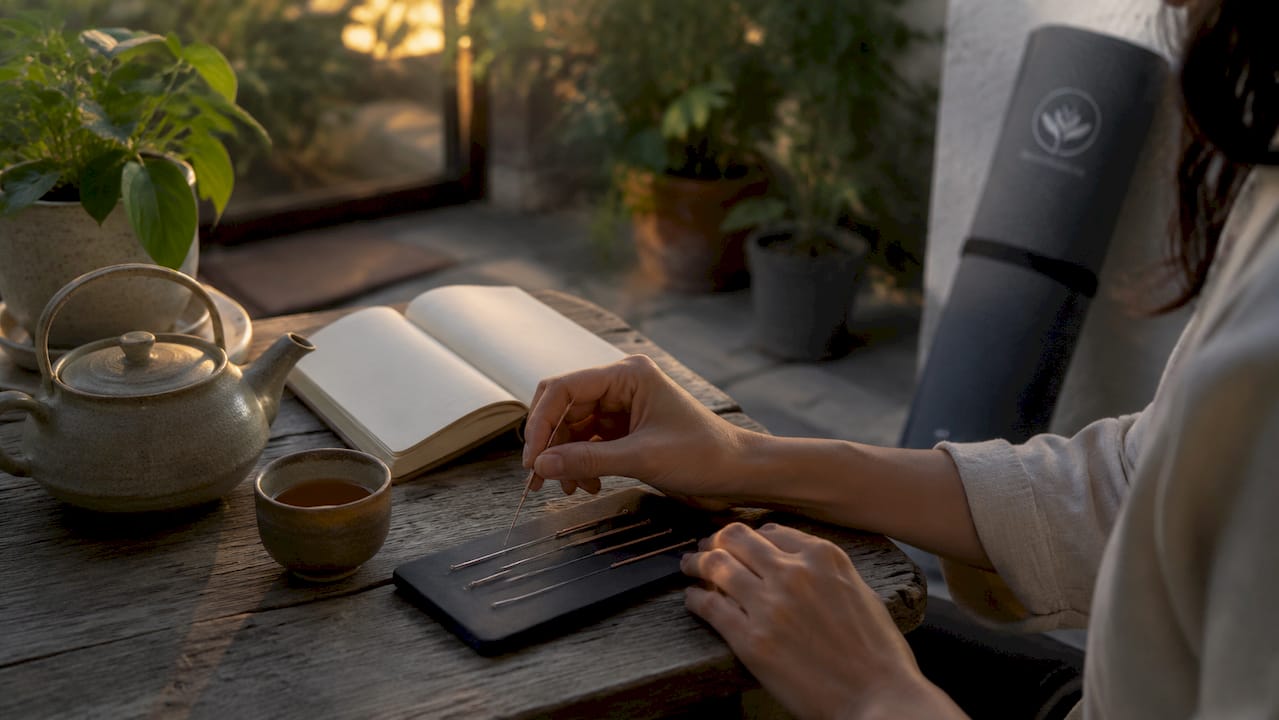
- Acupuncture for pain and nausea management alongside oncology treatment
- Mindfulness-based stress reduction (MBSR) for anxiety, depression, and chronic pain
- Nutritional therapy as a complement to metabolic or cardiovascular care
- Sound therapy and breathwork for emotional regulation and trauma processing
- Ketamine-assisted psychotherapy for treatment-resistant depression and end-of-life distress
Shared decision-making in integrative models gives patients a genuine voice in their treatment plan. That is not just a philosophical preference. Research shows patients who feel respected and involved in decisions are more likely to follow through with treatment and report better outcomes.
Pro Tip: Before your next appointment, write down every supplement, herbal remedy, or CAM practice you use. Hand that list to your doctor. It takes two minutes and removes the single biggest safety risk in combining conventional and alternative care.
Mystic’s integrative mental health programs are built on exactly this model, combining evidence-based therapies like ketamine-assisted psychotherapy with mindfulness, sound therapy, and compassionate clinical support. The goal is not to replace conventional care. It is to fill the gaps that conventional care often leaves open.
Key Takeaways
Alternative medicine is most effective when used as a complement to conventional care, with full transparency between the patient and their medical team.
| Point | Details |
|---|---|
| Personal control drives CAM use | Patients choose alternative medicine primarily to feel heard and involved in their own healing. |
| Satisfaction shapes the pattern | Patients satisfied with conventional care add CAM; dissatisfied patients may substitute it, which carries more risk. |
| Financial burden is real | Most CAM services are not covered by insurance, creating significant out-of-pocket costs. |
| Evidence quality varies | Acupuncture and mind-body therapies show promise, but many CAM practices lack high-quality clinical trials. |
| Disclosure protects you | Telling your doctor about all CAM use prevents dangerous herb-drug interactions and improves care coordination. |
What I have learned about choosing alternative medicine wisely
I have spent years working at the intersection of conventional medicine and integrative care, and the question I hear most often is not “does this work?” It is “why do I feel so much better when someone actually listens to me?”
That question contains the real answer. People do not turn to alternative medicine because they are naive or desperate. They turn to it because they are exhausted by appointments that last seven minutes and leave them with a prescription but no explanation. There is something deeply human about wanting to understand what is happening in your own body. CAM practitioners, whatever their methods, tend to make space for that conversation.
What I have also seen, though, is the harm that comes from silence. Patients who are afraid to tell their oncologist about the herbal supplements they are taking. People who stop a medication because a wellness provider told them they did not need it. The risks are real, and they are preventable. The answer is not to abandon alternative therapies. The answer is to bring them into the open.
The most honest thing I can say is this: the best outcomes I have witnessed come from people who refuse to choose sides. They work with their medical team. They use advanced mental health therapies alongside mindfulness and bodywork. They ask hard questions of every provider, conventional or alternative. That combination of curiosity and transparency is not just wise. It is the most powerful thing you can do for your own health.
— Kabir
Mystic Health and integrative care options
Healing rarely fits into a single category. If you have been asking questions about alternative medicine because conventional care has not given you the full picture, you are not alone.
Mystic offers integrative mental health programs that combine evidence-based treatments like ketamine-assisted psychotherapy and Spravato with mindfulness, sound therapy, and whole-person clinical support. These programs are designed for people navigating treatment-resistant depression, chronic emotional pain, serious illness, and end-of-life care. Insurance compatibility and financing options are available. If you are ready to explore what a coordinated, compassionate care plan looks like, Mystic’s full program options are a good place to start.
FAQ
What is the difference between alternative and complementary medicine?
Complementary medicine is used alongside conventional treatment, while alternative medicine replaces it. Most clinical experts and the WHO recommend the complementary model for safety and better outcomes.
Is alternative medicine effective for mental health?
Certain CAM practices, including mindfulness-based stress reduction and acupuncture, show clinical evidence for reducing anxiety, depression symptoms, and stress. High-quality evidence varies by modality, so discussing options with a qualified provider is the most reliable path.
Why do people choose natural remedies over prescription drugs?
People often choose natural remedies to avoid side effects, gain personal control over treatment, or address symptoms that conventional medicine has not resolved. Financial cost and cultural background also influence this choice.
Should I tell my doctor about alternative medicine I am using?
Yes, always. Non-disclosure creates real risks, including herb-drug interactions and treatment complications. Most physicians today are open to discussing CAM as part of a coordinated care plan.
What does integrative medicine actually mean?
Integrative medicine combines biomedical care with evidence-based traditional and complementary practices within a single coordinated plan. It prioritizes shared decision-making and treats the patient as a whole person, not just a set of symptoms.
Recommended

Mystic Health Blog






FAQs
1. Am I eligible for ketamine therapy?
2. Does insurance cover the cost of ketamine therapy?
3. How many ketamine treatments will I need?
We recommend two initial treatments to determine suitability and adjust dosage. After these sessions, additional treatments are available based on your progress and specific requirements.